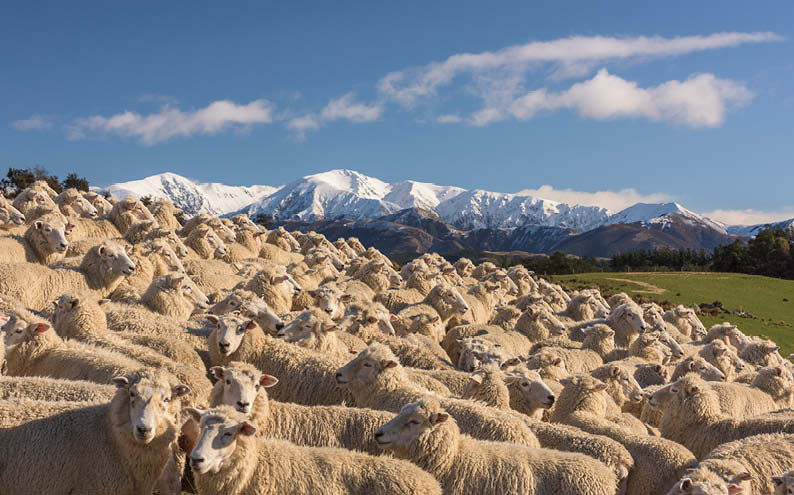
We auction significant quantities of wool throughout the wool selling season from New Zealand's National Selling Centre, based in Christchurch.
| 2026 Dates | |||
|---|---|---|---|
| Sale Number | Sale Date | Total Bales Rostered | Prompt |
| 16 | 15 October | 6,500 | 27 October |
| 17 | 21 October | 6,500 | 2 November |
| 19 | 5 November | 6,250 | 16 November |
| 21 | 19 November | 6,250 | 30 November |
| 23 | 3 December | 6,600 | 14 December |
| 25 | 17 December | 9,500 | 5 January |
| 2027 Dates | |||
|---|---|---|---|
| Sale Number | Sale Date | Total Bales Rostered | Prompt |
| 29 | 14 January | 10,000 | 25 January |
| 30 | 21 January | 9,500 | 1 February |
| 31 | 28 January | 9,500 | 9 February |
| 32 | 4 February | 7,500 | 15 February |
| 33 | 11 February | 6,500 | 22 February |
| 34 | 18 February | 7,000 | 1 March |
| 35 | 25 February | 7,500 | 8 March |
| 36 | 4 March | 9,000 | 15 March |
| 37 | 11 March | 6,500 | 22 March |
| 38 | 18 March | 6,500 | 30 March |
| 39 | 24 March | 6,500 | 5 April |
| 41 | 8 April | 10,500 | 19 April |
| 43 | 22 April | 10,500 | 3 May |
| 45 | 6 May | 7,000 | 17 May |
| 47 | 20 May | 7,000 | 31 May |
| 49 | 3 June | 9,000 | 14 June |
| 51 | 17 June | 7,000 | 28 June |
| 52 | 23 June | 11,000 | 5 July |
Market Reports
Find out more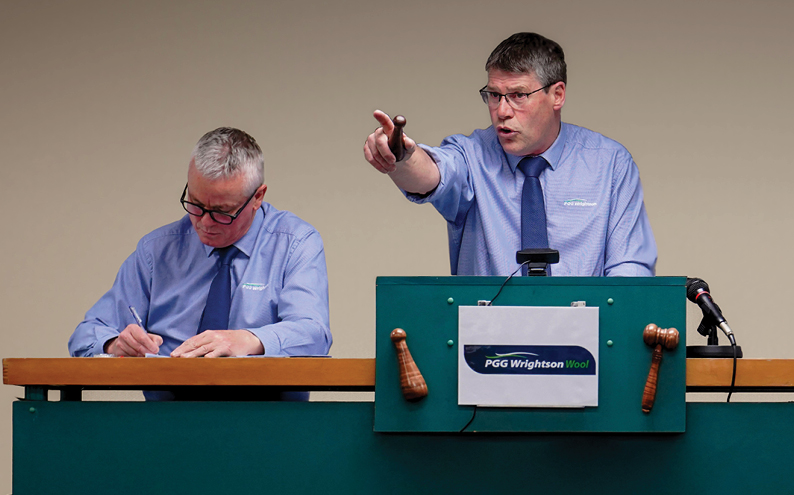
Live Wool Auctions
Watch here on bidr®Driving efficiency from farm to sale
We drive efficiency by maintaining good working relationships with testing houses, exporters, transporters, scours, dumpers, and shipping agencies. It is a well-oiled machine that keeps wool flowing smoothly throughout the textile production chain.
On receipt from growers, in conjunction with the wool specification sheet, wool is split into one of three categories:
1. Main line
Lines of wool four bales or more of the same description and sold under the growers brand in the catalogue.
2. Interlotting
Lines of wool three bales and less (ie three bales bellies and pieces, two bales of lox) grouped together with wool from various growers with similar wool and sold under the various brands in the catalogue. The grower is paid on his portion in each line.
3. Binning
Mixed bales and fadges received containing various types of wool in the bale (ie lambs, bellies and pieces, crutchings, eye clips etc). These bales are dissected into the various types and eventually made into lines of four bales or more and then catalogued. Growers are paid per kilogram contributed to each line.
Testing
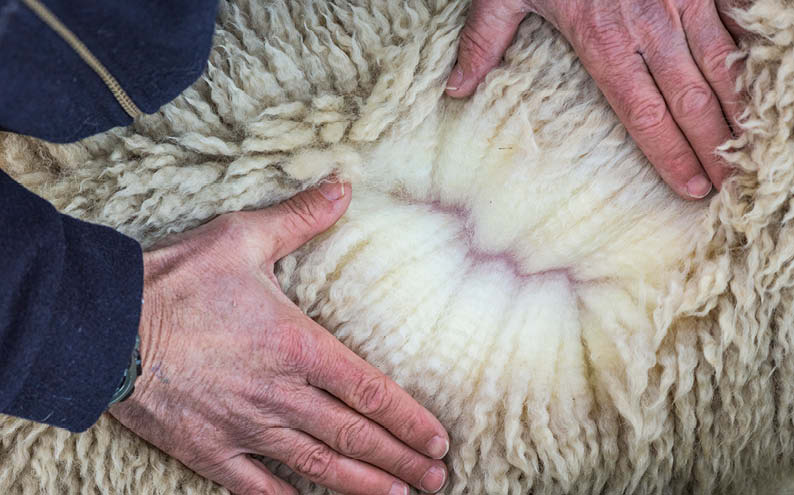
All main lines, interlot lines and bin lines are tested for yield, micron, colour and vegetable matter content and displayed for buyers to read in auction catalogue.
Catalogue inspection
All lines are inspected by the Auction Manager with a wool type and price indication placed on all catalogued lots. Growers are advised details of their wool type and price indication prior to the sale by their wool representative and have the opportunity to specify their selling instructions on main lines (ie place a reserve on the wool, a sell instruction or leave it to the company to sell to best advantage.) These instructions are advised to the Auction Manager prior to the sale date.
Valuing days
Buyers appraise the catalogue two days prior to the sale and enter their buying limits.
Auctions
Weekly sales are held over the busy part of the year and on a fortnightly schedule during the remaining part of the year.
Sale processing
At the completion of the auction, buyers invoices are produced and accounts sales are furnished to growers for all wool sold.
Payment terms
Payment for both buyers and growers is 11 days from sale date.
Growers
Find out more