
Filter By
1400 Result(s)
Video or image
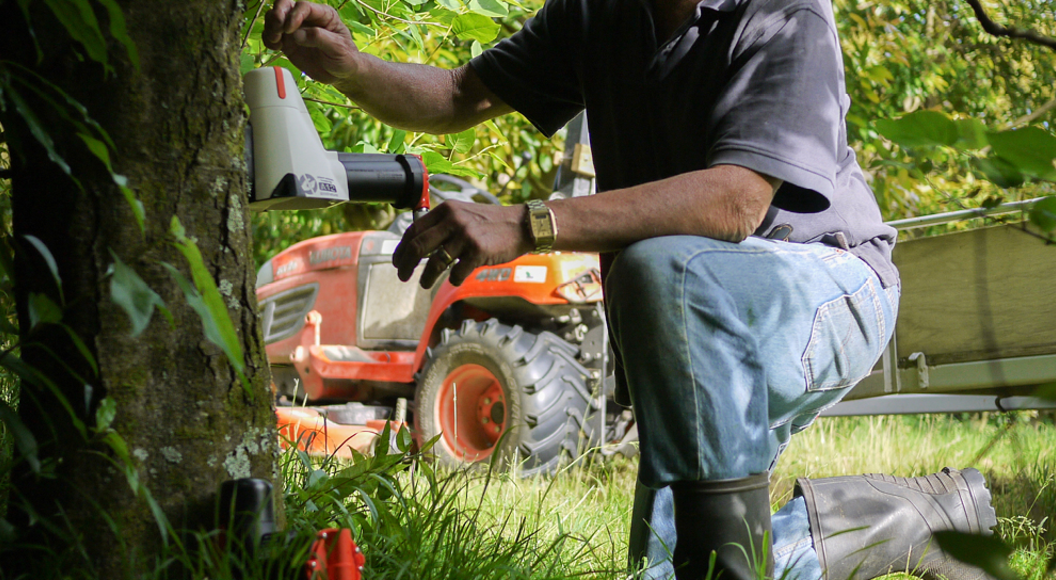
Constant pest pressure requires constant control
One thing all orchardists hate is waste and Bay of Plenty orchardists Geoff and Leny Leong are no exception. The Leongs experience constant damage by rats and possums on their 7.6 ha Paengaroa orchard, where they harvest 150 avocado, 105 macadamia and 130 walnut trees annually. Facing sizeable...
Video or image
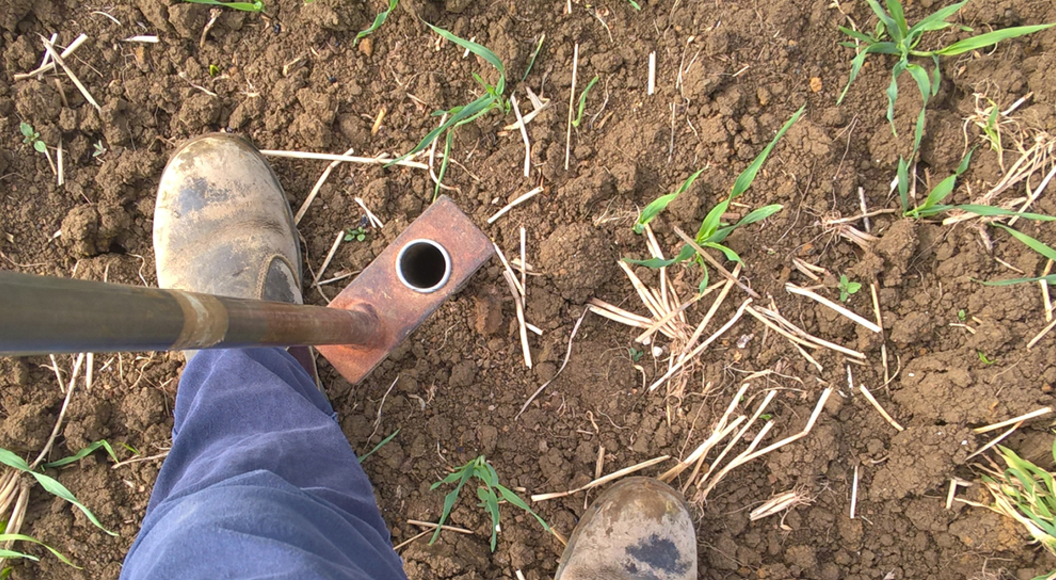
Now is the time to soil test
Autumn is a key time of the year to soil test paddocks. Soil testing is important because it provides a snapshot of soil properties and nutrient levels to identify any deficiencies, imbalances or excessive levels in the soil. By quantifying these nutrient levels and comparing those to optimum levels...
Video or image
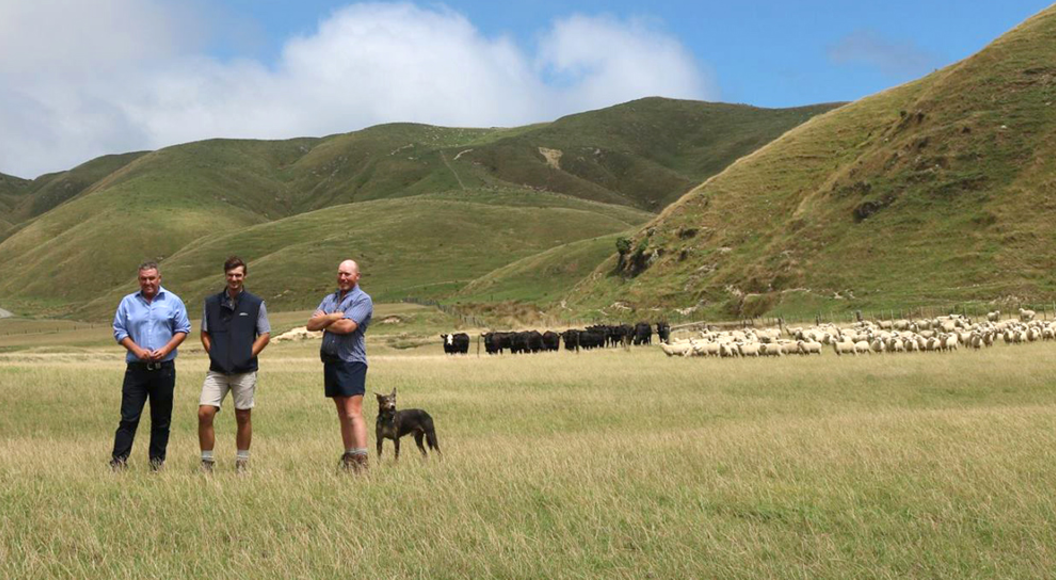
Go products provides flexibility
The PGG Wrightson Livestock business has continued to strengthen its performance over the last three years as lower stock numbers and sustained international demand for New Zealand’s high-quality protein have combined to push up livestock prices. Livestock is principally an agency business, with...
Video or image
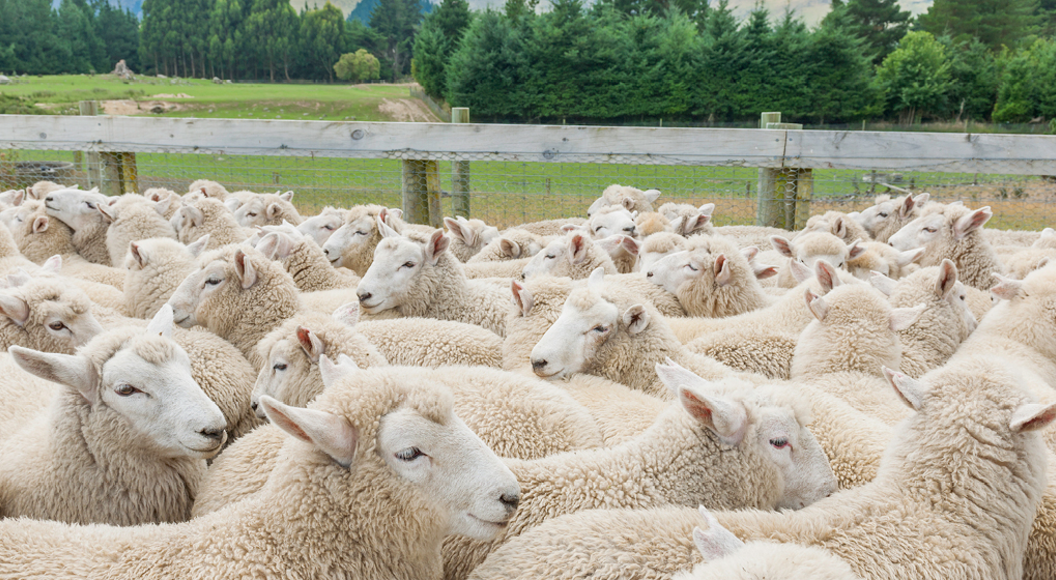
Sheep and Beef Market Update, April 2018
North Island Sheep & Beef Recent years have seen the Sheep and Beef sector dominated by the rise and rise in the value of Beef across all breeds, this has been great for the Beef sector and the growth in supply has mainly been at the detriment of the Sheep flock which has been in steady decline for...
Video or image
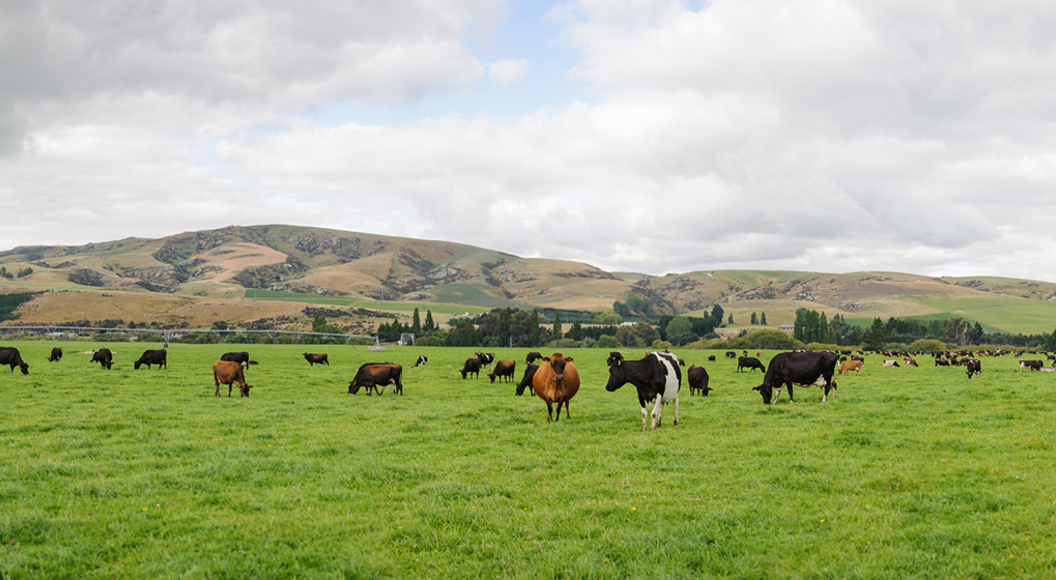
Dairy and Genetics Market Update, April 2018
Genetics 2 year old bull sales are just around the corner and it is time to discuss your breed objectives and requirements with your specialist team. We can help you achieve your breed objectives and reach your goals. PGW Genetics have a national video sale on the 14th May consisting of Angus...
Video or image

Keeping the fairways green
With the slowing of irrigation development in the rural sector in New Zealand over the last two to three years, the PGG Wrightson Water team turned its focus on growing other areas of their business including irrigation systems for golf courses. Advanced Irrigation Systems (AIS) – a trading division...
Video or image
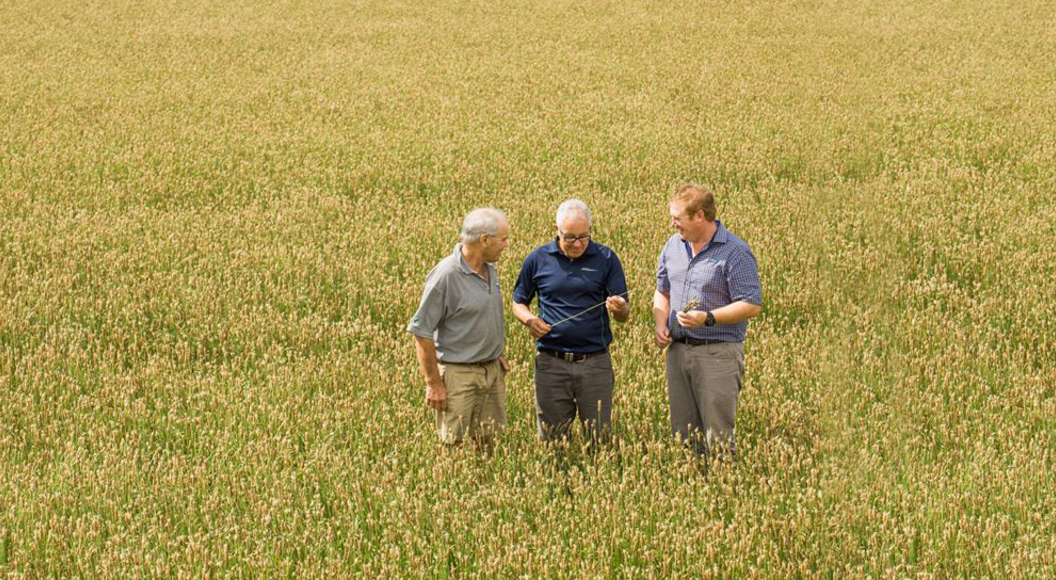
Team approach: resulting in high yields
One of the high-performing teams within the PGG Wrightson Seeds’ New Zealand business, which operates largely away from the public eye, is the Arable business unit. This business unit which works alongside specialist arable farmers is based in Canterbury, New Zealand’s most intense arable production...
Video or image
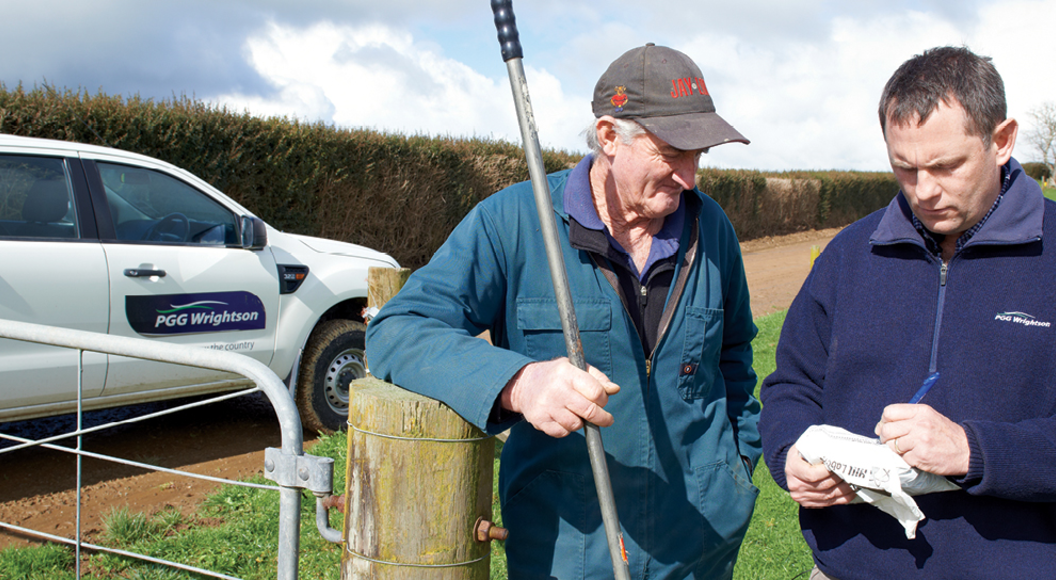
Re-grassing checklist for autumn
Autumn is the time to decide on winter production options and start preparations for spring forage. So what should be on your checklist? Soil testing Agricultural soils are tested to measure the soil quality and nutrient levels for monitoring fertiliser programmes and to assist with identifying...
Video or image
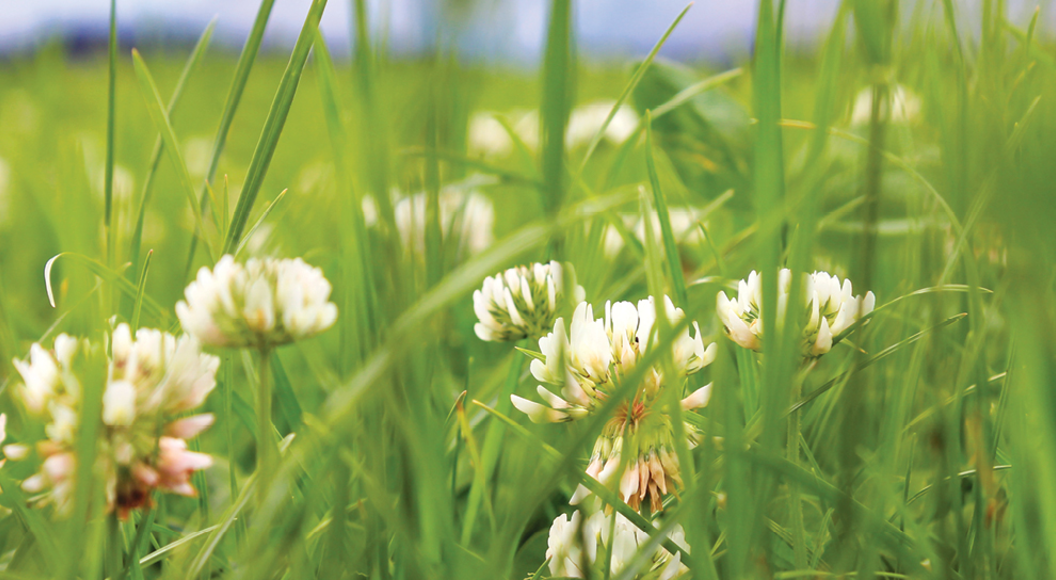
Weed control in new pasture
When establishing a new pasture, the end game is to have a high performing feed for your livestock. Weeds compete with your newly establishing pasture for space, light, moisture and nutrients, reducing its performance and longevity. Weed control is essential to give your new seedling plants the best...
Video or image
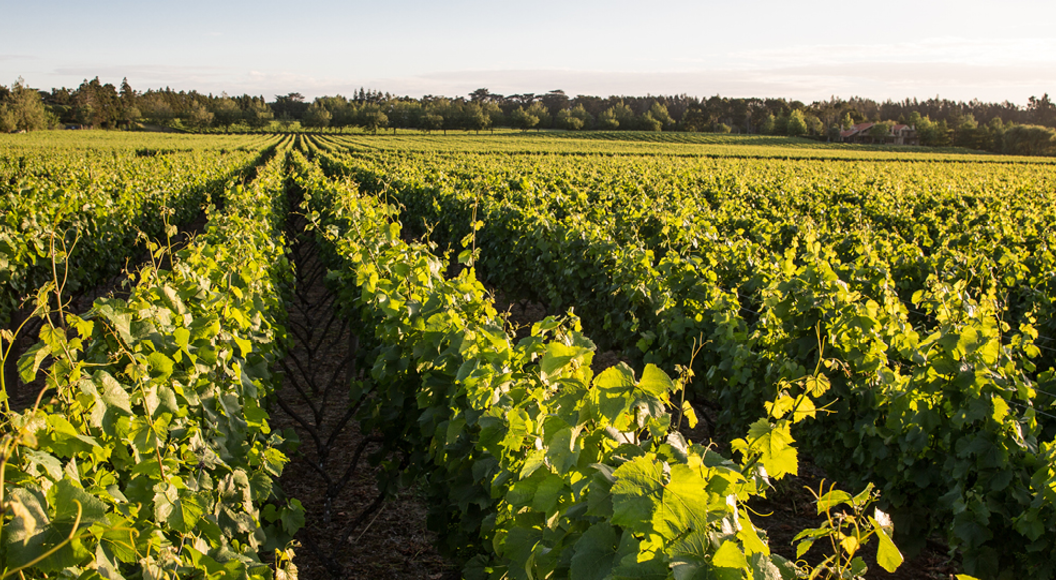
What to watch out for in wine grapes over April
Bunches become increasingly susceptible to botrytis bunch rot as they ripen. Monitor weather forecasts closely and make sure fungicide covers are applied in anticipation of wet weather. This should be the policy through until pre-harvest while strictly observing product PHIs. If bird damage is a...
Video or image
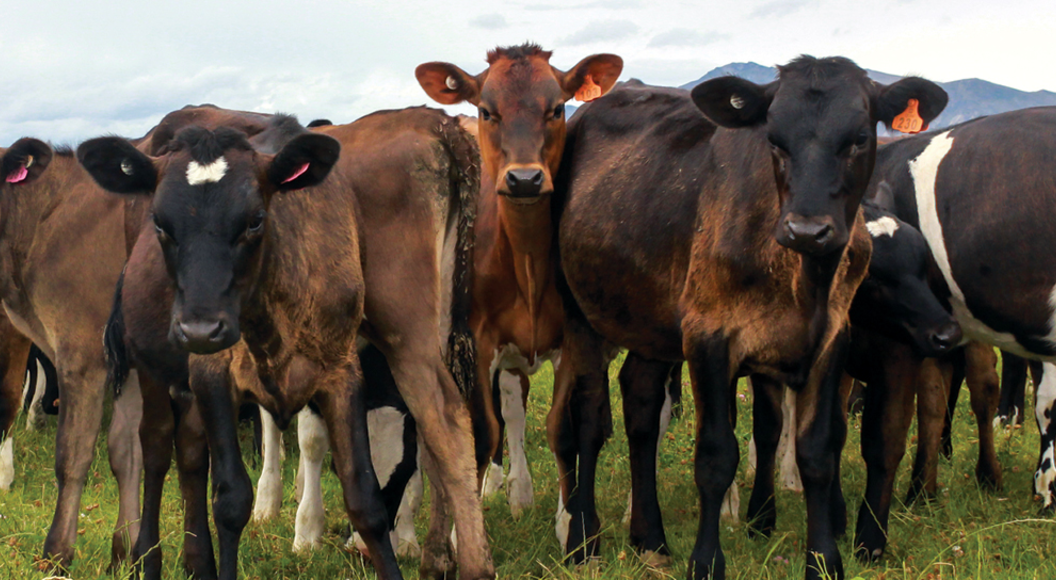
Stay on target
It is time to review your heifer management and determine whether your liveweight targets have been reached. Nine month old heifers should be 40 percent of adult weight, and pregnant rising two year old heifers should be at 90 percent. Achieving targets now ensures that they reach puberty and cycle...
Video or image

Cash for Communities raises $482,000
PGG Wrightson and Ballance Agri-Nutrients would like to thank the farming community for taking part in the Cash for Communities programme. Eight programmes over the past seven years have raised $482,000 for schools and community organisations around New Zealand. That’s a great effort! The programme...
Video or image
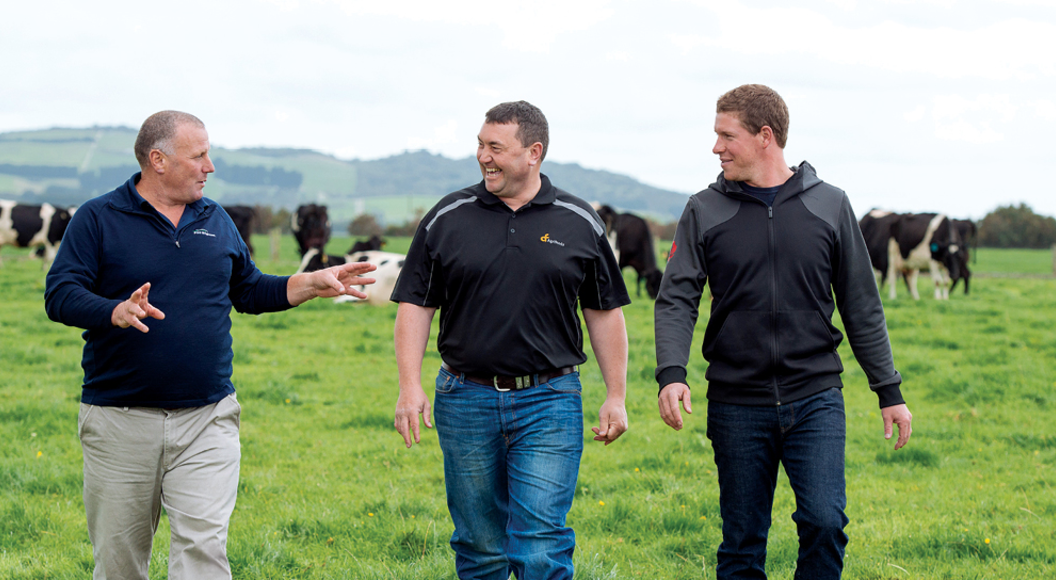
More than one reason to feed molasses
Feeding molasses to dairy cows through lactation is beneficial for many reasons, says Contract Milker Josh Lavender. He notes increased feed consumption, better energy levels and maintaining condition score as the primary drivers for feeding the supplement every year. Josh winters approximately 820...
Video or image
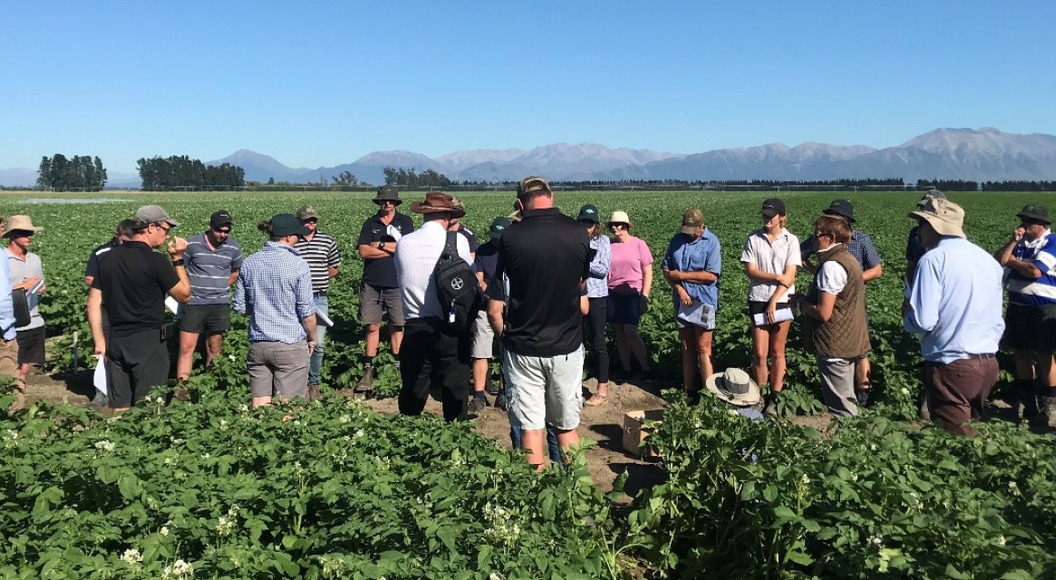
Knowledge is power
Information transfer is a key link between the researchers and experts of an industry to those who are in the position to utilise the information. Horticulture has a strong focus on research and development, whether for new practices, products or varieties, and ensuring this information gets to our...
Video or image

Real Estate Market Update, March 2018
As you will see in our latest edition of the Rural Property Pulse, this summer’s market for rural property featured various highlights. Demand for sheep and beef farms, viticulture and horticulture properties ranges from steady to spectacular. In most instances, among farmers and growers in these...
Video or image
Dairy & Genetics Market Update, March 2018
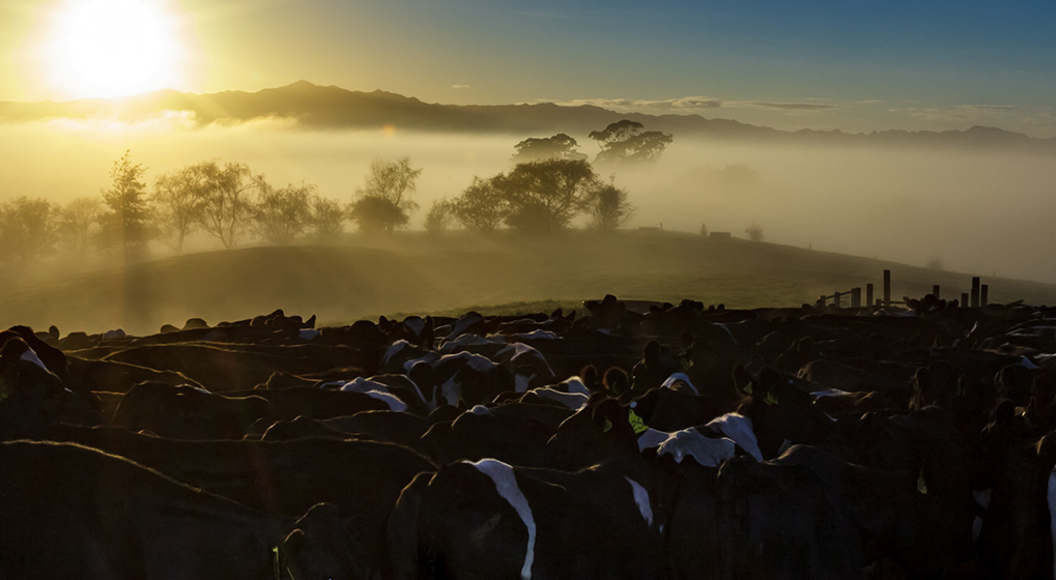
Dairy It has been pleasing to see a lift in forward sale activity for herds and in calf heifers over the past few weeks. Herds in general are selling for $1600 - $1850, with some top end stock above this. Most areas have completed or commenced pregnancy testing with mixed results being reported...
Video or image
Sheep & Beef Market Update, March 2018
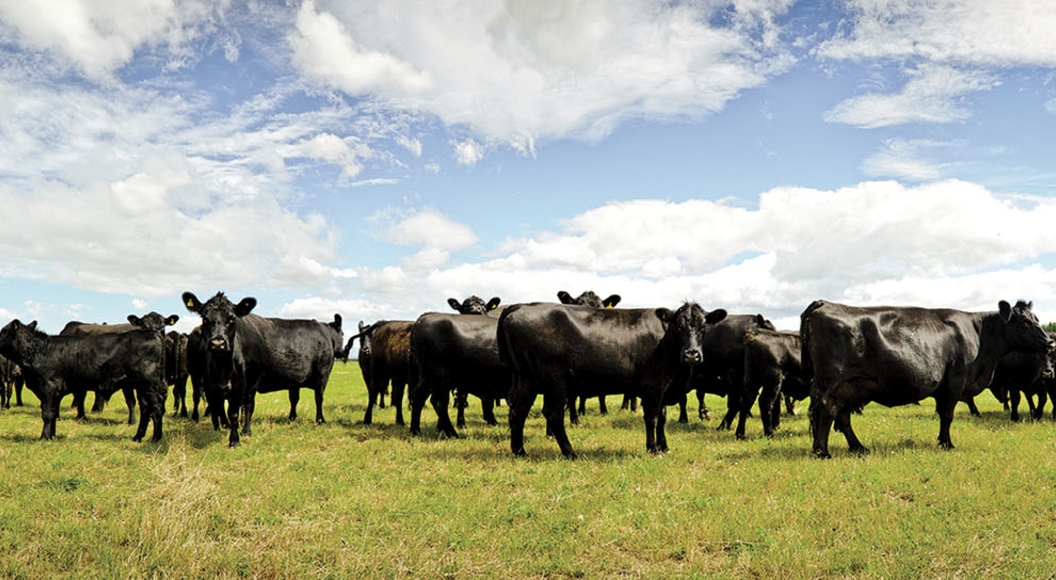
North Island Sheep and Beef North Island beef farmers are set for a positive few weeks of weaner sales through the first half of the autumn. Last year’s weaner sales achieved record prices with encouraging volumes of cattle going through the yards. This year, we have plenty of grass on the paddocks...
Video or image
How's your water quality?
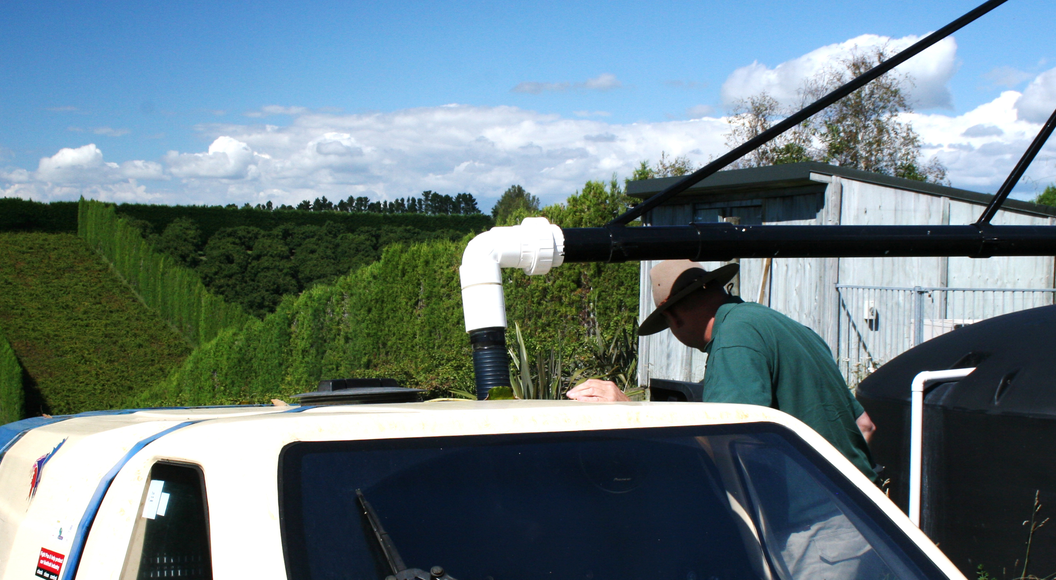
Fruitfed Supplies Senior Technical Advisor Tayah Ryan considers water quality and its impact on horticultural practices. It’s not often we give much thought to the water we put in our spray tanks, but water quality can have a significant influence on the stability of chemicals within the spray tank...