
Video or image
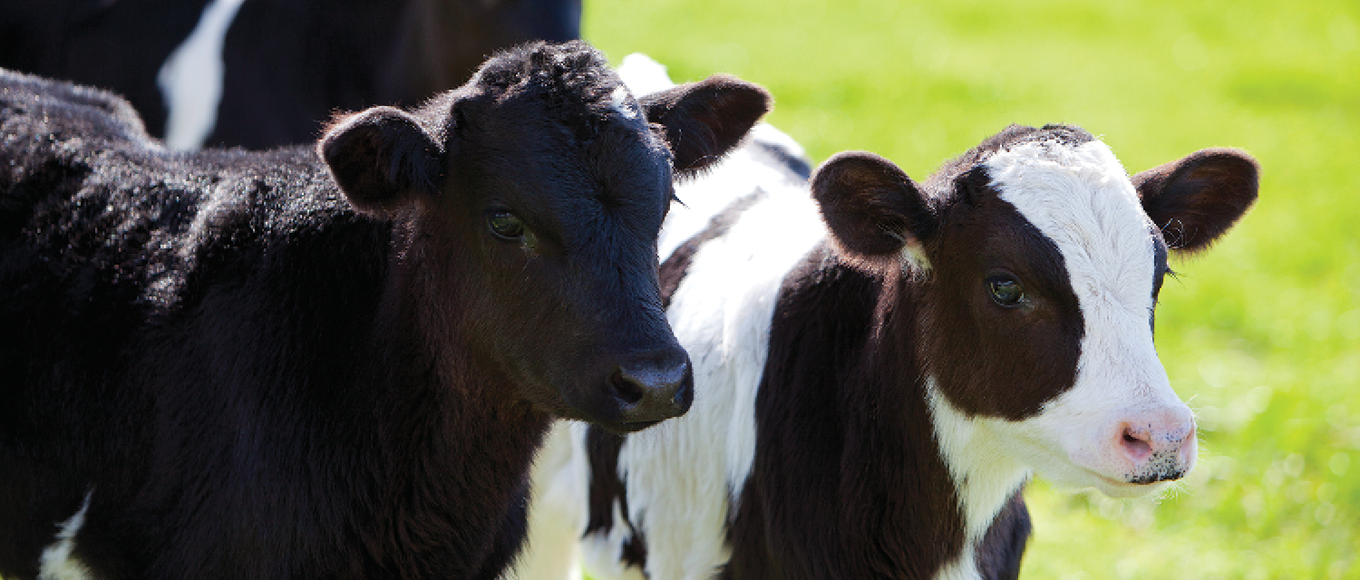
Focus on calves
Weaned calves need good quality leafy pasture to grow efficiently.
To ensure calves are getting the nutrients they need, it is worthwhile weighing them and monitoring performance against live weight targets (see Table 1 below). Be aware that autumn growth rates may be limited by excess protein so hoping that summer growth deficits will disappear in the autumn may be unrealistic.
Pasture quality is highly variable. During a dry spell, pasture quality can drop to 8-9.5 MJ ME per kg DM, 9-14 percent crude protein and 52-65 percent NDF. Low quality, high NDF, pasture does not support acceptable growth rates in young animals. Calves may look full and happily chewing their cud in the paddock. But if energy and protein are limited; frame, muscle development and average daily gains will also be limited.
Calves that are more than 10 percent behind targets struggle to recover lost growth without supplementary feeding. Grass silage or a simple blend incorporating higher protein feeds like dried distillers grains or soya bean meal may be worthwhile if pasture is stemmy (for instance, high NDF). Within any mob, the lower quartile may need better quality supplementation, especially if they have been born late or suffered an early health challenge. For calves that need more help, the use of a fully balanced calf feed is warranted. NRM Grow Up 20% (if pasture protein levels are low) or Grow Up 16% (if
pastures are leafy but limited) are worth considering. Both options are high energy, low fibre feeds with additional protein from soya bean meal which contains a good balance of amino acids but won’t add to a urea overload should conditions suddenly turn wet.
Premium calf feeds contain nutritionally important extras which are not present in straights and conserved forages. For example, grains and straights can be low in calcium relative to the needs of growing animals. PKE may contain only 2.2 g calcium per kg DM which is about half the typical requirement for growing cattle. Rumen bacteria produce Vitamin B1 which is involved in the release of energy from carbohydrates and activity of the nervous system. Production is enhanced by the presence of soluble carbohydrates and soluble nitrogen in the diet. These constituents may be lacking in summer dry pasture. A range of B vitamins are included at nutritionally important levels in NRM calf feeds. Coccidia challenge is most likely in the eight weeks after weaning but the extra protection of Bovatec could be worthwhile in older calves if unfavourable conditions have aligned to hold back performance.
Weighing calves and responding to the results is an especially rewarding process. Contact your local PGG Wrightson Technical Field Representative to help organise heifer pasture testing, weighing systems and feed solutions which fit your operation.
ARTICLE SUPPLIED BY NRM
TABLE 1 SUPPLIED BY DAIRY NZ

Related News
Video or image
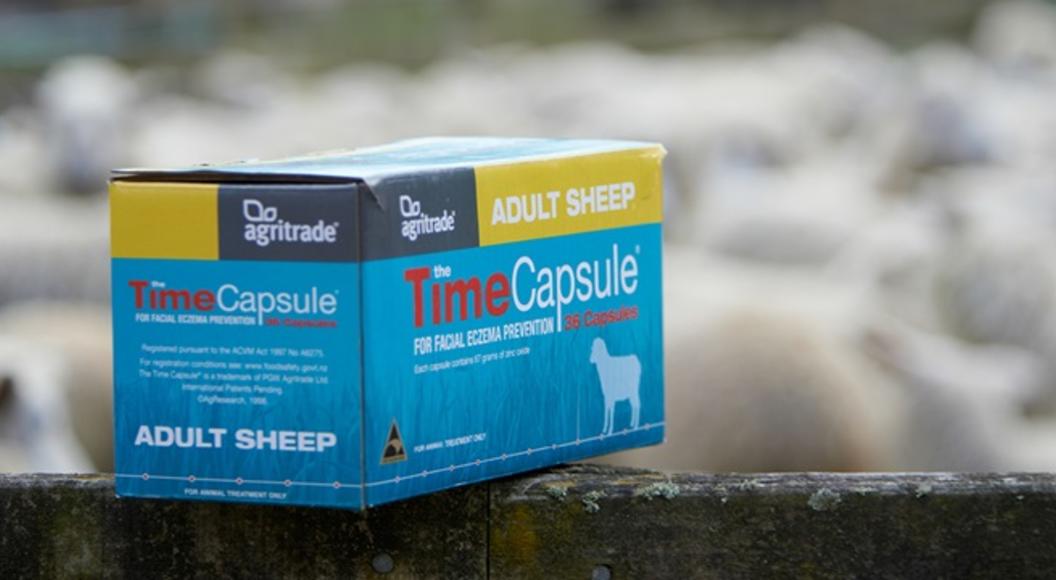
Think zinc to protect against facial eczema
Managing Facial Eczema (FE) requires a multipronged approach that involves reducing spore intake and providing zinc as a prophylaxis and therapy. FE is caused by a mycotoxin produced by the fungus Pithomyces chartarum growing in pasture dead matter. This fungus multiplies rapidly when overnight...
Video or image
Talking GO-STOCK with Rob Holt and Steph Macfarlane
Rob and Steph are based in Albury, farming 1100 hectares. Together they run 9000 stock units of breeding, finishing and store stock. Their agent introduced them to GO-BEEF and GO-LAMB which they run all their lambs and cattle through. Using the two contracts helps manage their cash flow in the most...
Video or image
Talking GO-STOCK with Luke Jamieson
Managing a 1600 hectare property with 9300 stock units, Luke started using GO-STOCK through their agent, running Jersey bulls and trading lambs. The lambs put through GO-STOCK are solely for trading and putting them them through the GO-STOCK system has made it easier to free up capital. Hear more...
Video or image
Think zinc to protect against facial eczema
Managing Facial Eczema (FE) requires a multipronged approach that involves reducing spore intake and providing zinc as a prophylaxis and therapy. FE is caused by a mycotoxin produced by the fungus Pithomyces chartarum growing in pasture dead matter. This fungus multiplies rapidly when overnight...
Video or image
Talking GO-STOCK with Rob Holt and Steph Macfarlane
Rob and Steph are based in Albury, farming 1100 hectares. Together they run 9000 stock units of breeding, finishing and store stock. Their agent introduced them to GO-BEEF and GO-LAMB which they run all their lambs and cattle through. Using the two contracts helps manage their cash flow in the most...
Video or image
Talking GO-STOCK with Luke Jamieson
Managing a 1600 hectare property with 9300 stock units, Luke started using GO-STOCK through their agent, running Jersey bulls and trading lambs. The lambs put through GO-STOCK are solely for trading and putting them them through the GO-STOCK system has made it easier to free up capital. Hear more...