
Video or image
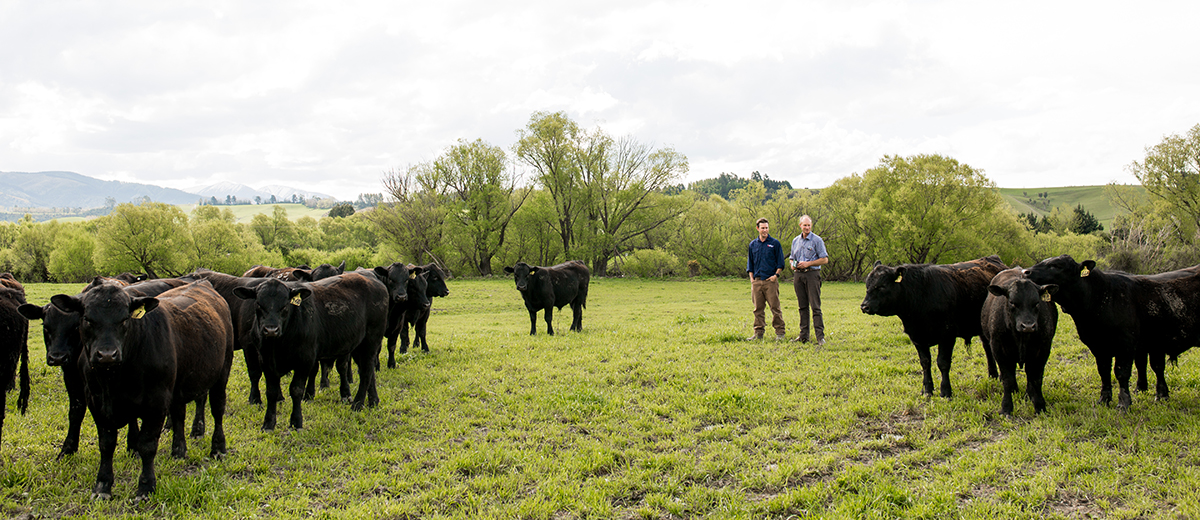
Kakahu Angus investment in genetics pays off
Recent Angus yearling bull sales are on a high with record results around the country and Kakahu Angus Stud near Geraldine was no exception to this strong outcome for breeders throughout New Zealand. Some prices were up by more than $1,000 a head, achieving gains of 30 percent plus on last year. Other sales had gains of $300 to $500 a head.
PGG Wrightson South Canterbury Livestock Agent and Auctioneer Jonty Hyslop said, “Kakahu Angus stud achieved an average of $4,800 for 29 bulls. Their gain on last year was $1,100 a head. The top price was $7,500 for a yearling with exceptional data and carcass traits - it was the first bull up and attracted fierce bidding.”
Tom Hargreaves of Kakahu Angus said, “the focus on continually improving top quality genetics was paying off for Angus breeders and all had good sales this season. All the our yearling bulls sold to commercial farmers at our sale on 5 October would be mated with heifers in the coming season. Genetic advances had made heifer-mating a good opportunity for farmers with easy (unassisted) calving, faster growth rates and high marbling content in the meat.”
Mating heifers had not been popular till the last two or three years though Kakahu had been breeding from them for 15 years. The barriers to successful calving and mothering had to be bred out of the herd and the genetic gains were being passed on by the bulls to their progeny. They included smaller calf size to help calving.
Tom added, “we have 100 percent confidence in them and 95 percent of our buyers are repeat buyers. More heifer mating potentially meant a significant gain in beef cattle numbers.”
Kakahu had typically put 22 to 25 yearling bulls in its on-farm spring sale but this year all 29 sold strongly and an extra 10 or so bulls were likely to go in next year’s sale.
Jonty Hyslop added, “the global beef market might be off its peaks and with overseas competitor-countries having an impact on returns but New Zealand farmers could still do very well with the value they were adding.”
PGG Wrightson Livestock National Genetics Manager Callum Stewart agrees, “more yearling bulls were being sold than ever before in a changing market, partly because of a move away from bobby calf processing and the associated issues. Farmers were seeing the benefit of improving genetics to get a new, quality animal with more tender, flavourful meat and that was good for New Zealand. The strong volume yearling sales might be to the detriment of two-year-old bull sales and that would be a concern. As well as the change away from bobby calves, other farmers were moving from sheep to cattle because they were less labour-intensive and that was increasing demand for breeding bulls.”
Pictured: Tom Hargreaves of Kakahu Angus and PGG Wrightson Livestock Auctioneer Jonty Hyslop inspect the yearling bulls prior to the sale.
Related News
Video or image
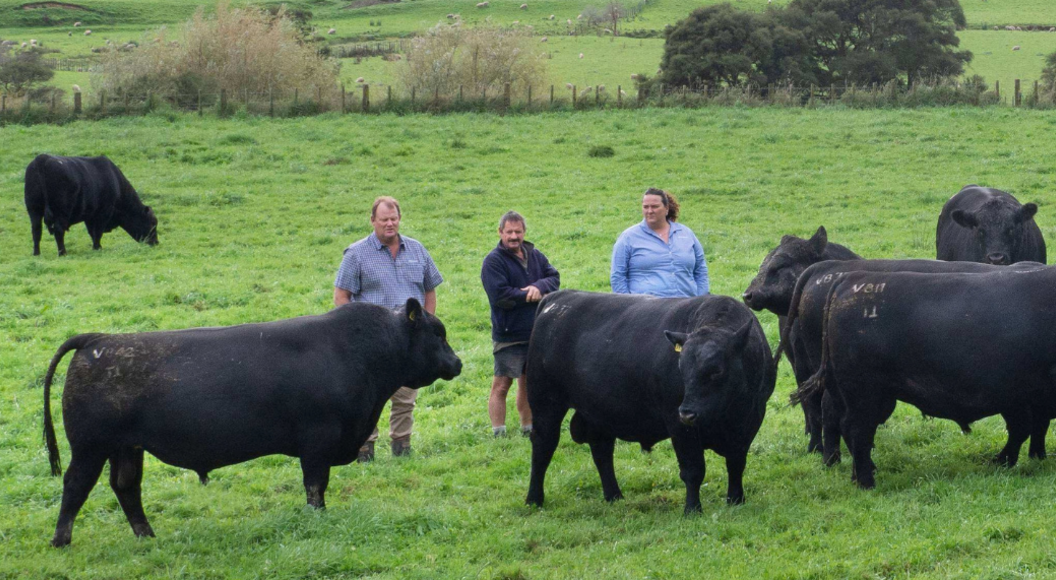
Tangihau Station – Breeding Resilience on the East Coast
Set in steep hill country inland from Gisborne, Tangihau Station is defined by scale, terrain, and climatic extremes. The property spans more than 6,600 hectares of medium to steep East Coast hill country, with only 70 hectares of flat land. Tangihau runs approximately 1,300 commercial breeding cows...
Video or image
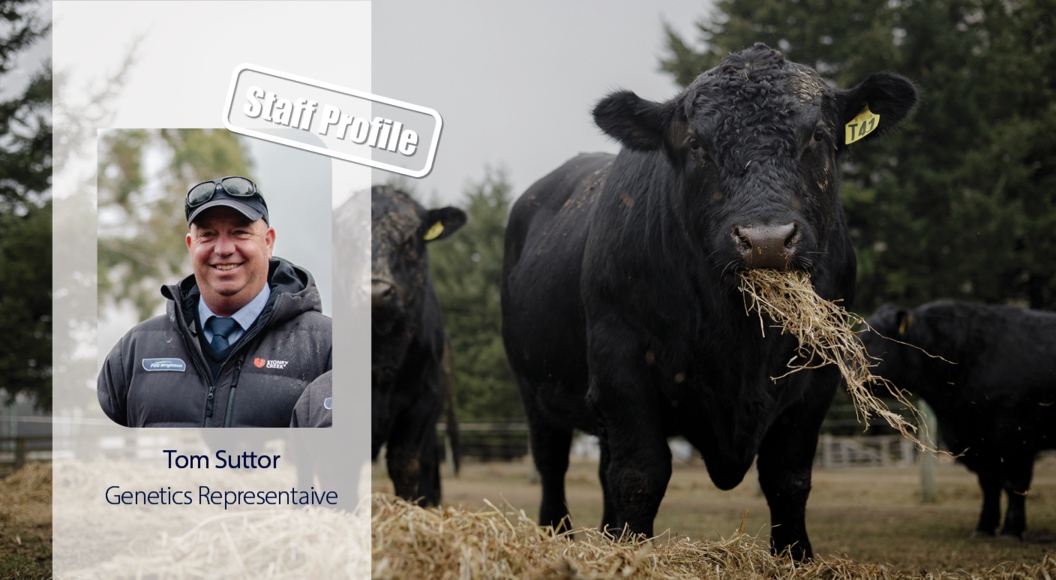
Staff Profile - Tom Suttor
Structure comes first for Waipukurau-raised Livestock Genetics Representative for Wairarapa and Hawke’s Bay and the trust and relationships he focuses on. After finishing school in Hastings, Tom Suttor worked as an agricultural contractor for a couple of seasons. Growing up on a Central Hawke’s Bay...
Video or image
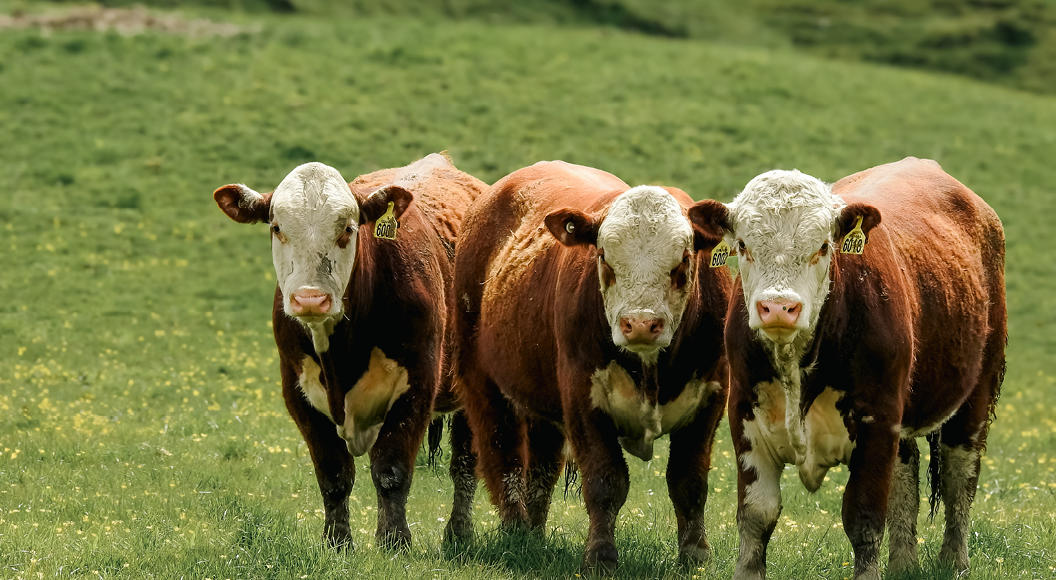
Excellent options on offer at yearling bull sales, with rams to follow
Strong prospects for purchasers to meet breeding plan criteria at more than 50 yearling bull sales throughout the country, with a look ahead to ram sales coming up. With the first of the 2024 yearling bull sales underway, purchasers can look forward to some high-quality genetics on offer and good...
Video or image
Tangihau Station – Breeding Resilience on the East Coast
Set in steep hill country inland from Gisborne, Tangihau Station is defined by scale, terrain, and climatic extremes. The property spans more than 6,600 hectares of medium to steep East Coast hill country, with only 70 hectares of flat land. Tangihau runs approximately 1,300 commercial breeding cows...
Video or image
Staff Profile - Tom Suttor
Structure comes first for Waipukurau-raised Livestock Genetics Representative for Wairarapa and Hawke’s Bay and the trust and relationships he focuses on. After finishing school in Hastings, Tom Suttor worked as an agricultural contractor for a couple of seasons. Growing up on a Central Hawke’s Bay...
Video or image
Excellent options on offer at yearling bull sales, with rams to follow
Strong prospects for purchasers to meet breeding plan criteria at more than 50 yearling bull sales throughout the country, with a look ahead to ram sales coming up. With the first of the 2024 yearling bull sales underway, purchasers can look forward to some high-quality genetics on offer and good...