
Filter By
1400 Result(s)
Video or image
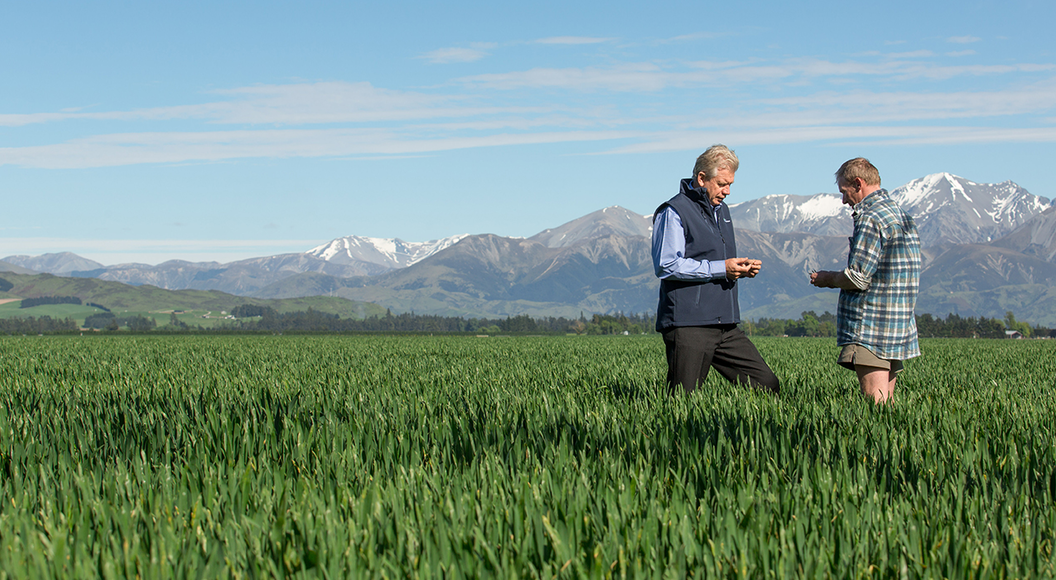
PGG Wrightson delivers impressive first half performance
PGG Wrightson Ltd* (PGW) announced today that at the half-year it is on track to surpass last year’s strong operating result. For the half year ending 31 December 2017 operating earnings before interest, tax, depreciation and amortisation (Operating EBITDA)** of $34.2 million were up $8.2 million on...
Video or image
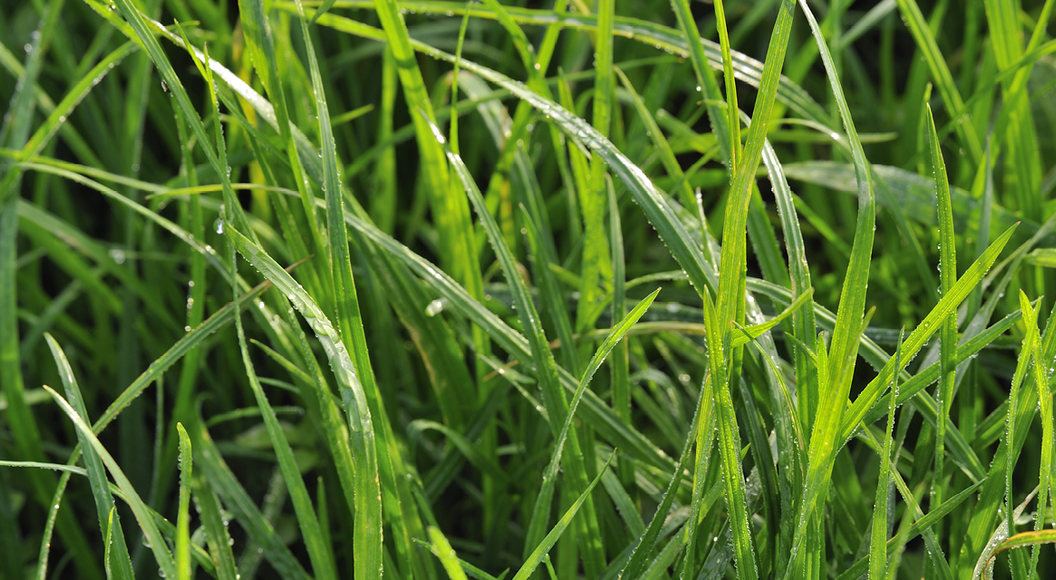
Choosing a top performing perennial ryegrass
Over ten years of investment in breeding, research and development has paid off with recently released Platform AR37 jumping straight to the top of this year’s National Forage Variety Trial (NFVT) summary. Nick Browning, Northland dairy farmer, compared Platform AR37 to Expo AR37 and found Platform...
Video or image
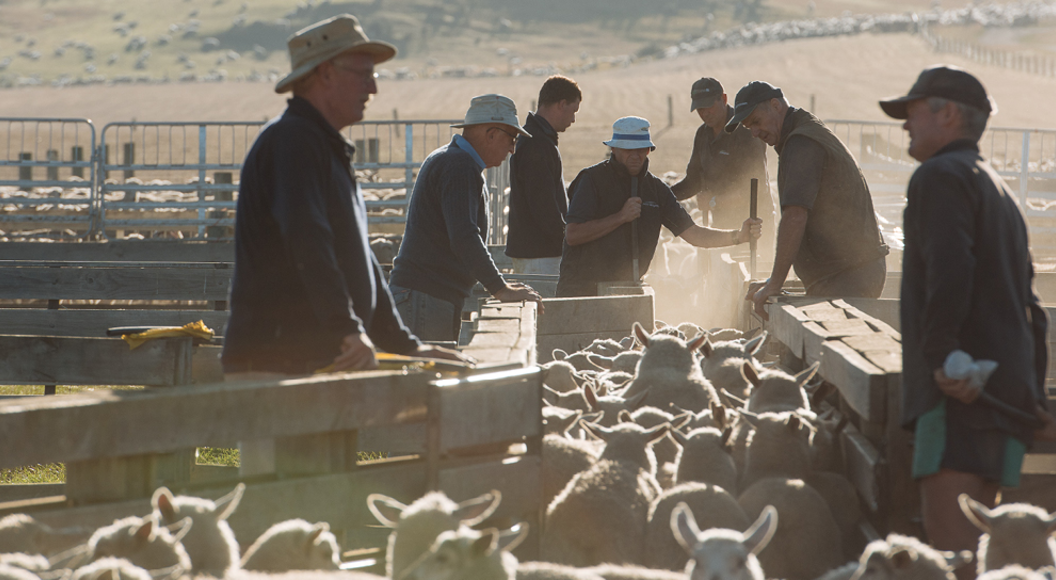
Rollesby Valley Lamb Sale
The iconic Rollesby Valley Lamb Sale, which attracted a record number of buyers this year, was held on Thursday 8 February. It’s a big couple of days for the South Canterbury PGG Wrightson Livestock team with the teams working on Wednesday and Thursday morning to prepare the ewes and lambs for sale...
Video or image
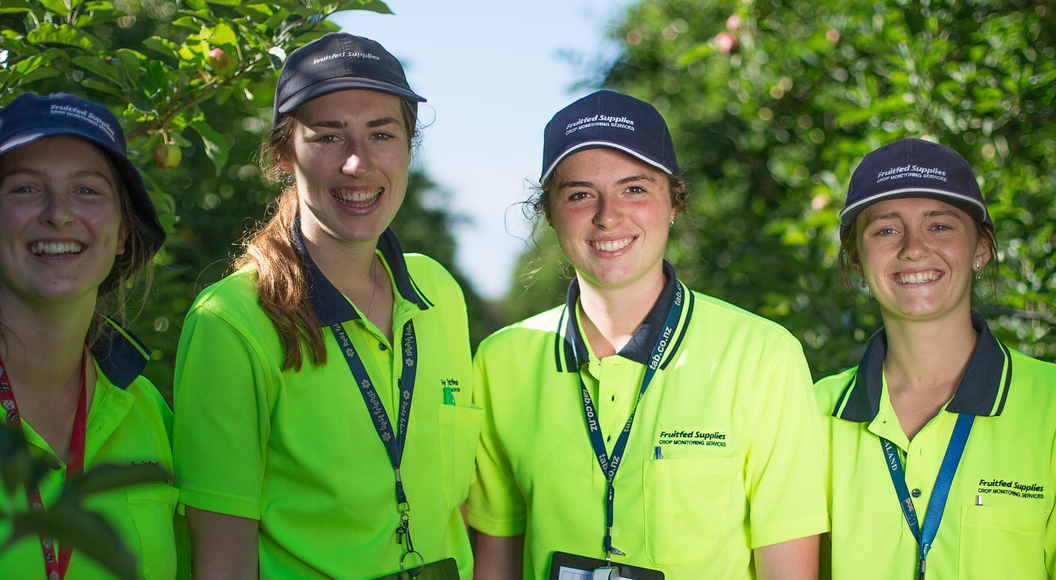
Crop monitoring in full swing
Fruitfed Supplies’ Crop Monitoring Team in Hawke’s Bay is one of seven teams around the country working with growers to ensure the accurate and timely reporting of crop monitoring results to aid crop management decisions. Hawke’s Bay Crop Monitoring Co-ordinators Denise Chamberlain and Rena Mehrtens...
Video or image
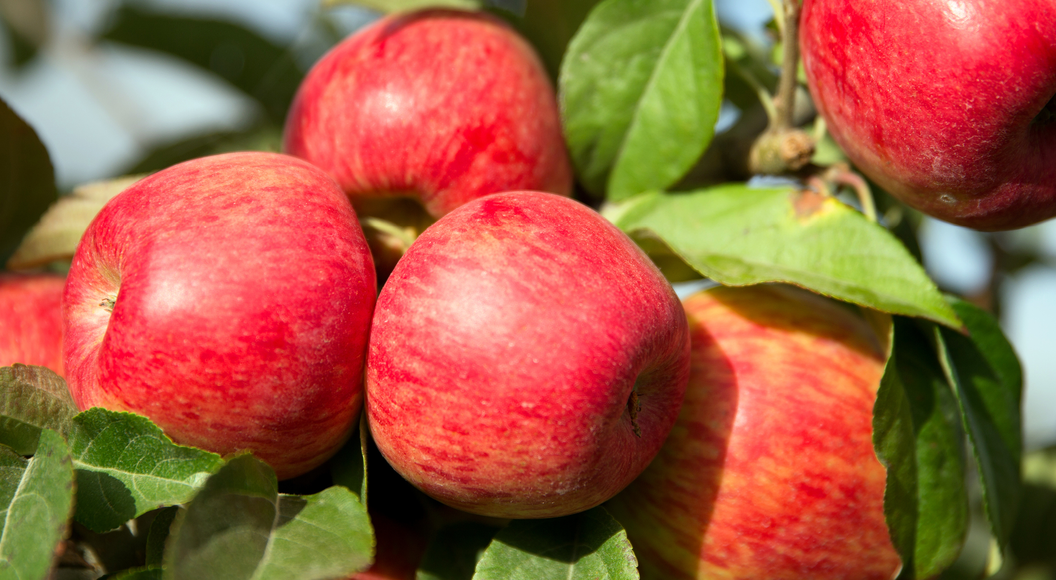
Harvest rot risks
Hawke’s Bay-based Fruitfed Supplies Technical Advisor Sean Gresham highlights the importance of maintaining good hygiene practices during the harvest of apple crops. Last autumn we experienced unprecedented rainfall which lead to higher levels of fruit rots and infection of picking wounds by...
Video or image
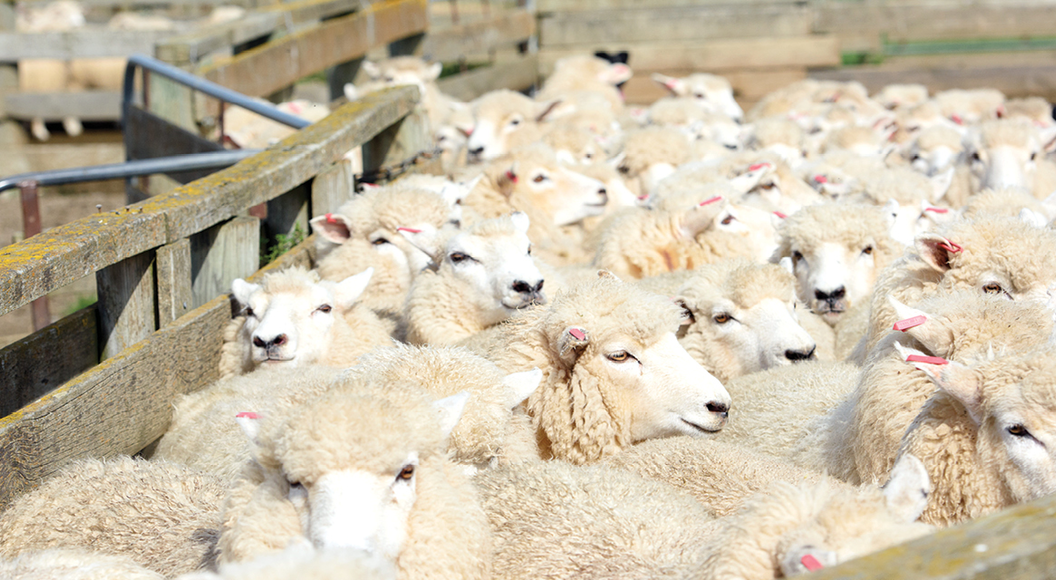
Preventing blowfly strike
Sheep are attractive to blowflies during the warm weather, while their skin is continually being wetted. These wet and warm conditions can lead to the development of fungal and bacterial infections in the wool. Cyrex™ Liquid has a few modes of action for the prevention and treatment of blowfly...
Video or image
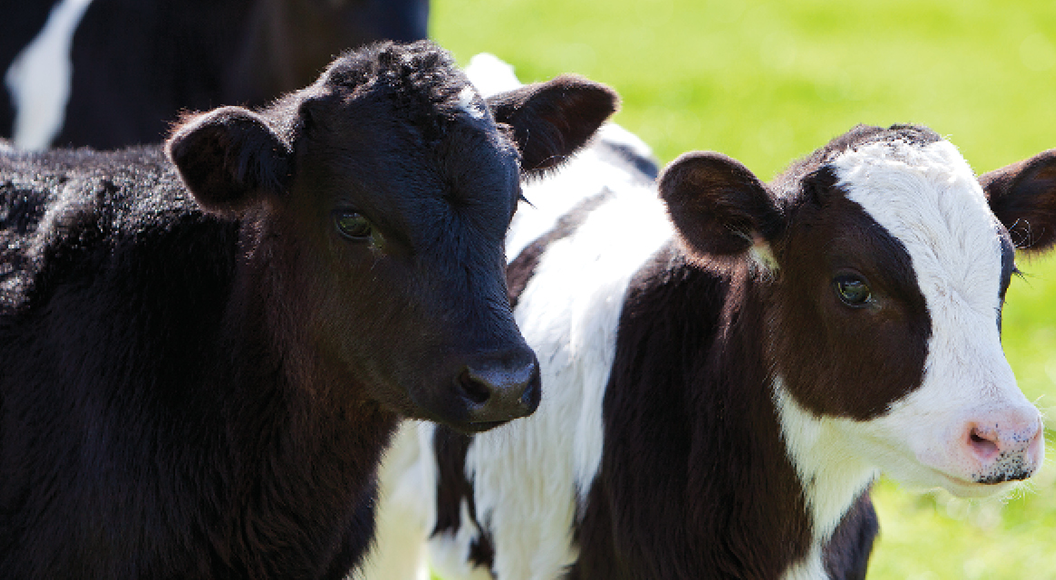
Focus on calves
Weaned calves need good quality leafy pasture to grow efficiently. To ensure calves are getting the nutrients they need, it is worthwhile weighing them and monitoring performance against live weight targets (see Table 1 below). Be aware that autumn growth rates may be limited by excess protein so...
Video or image
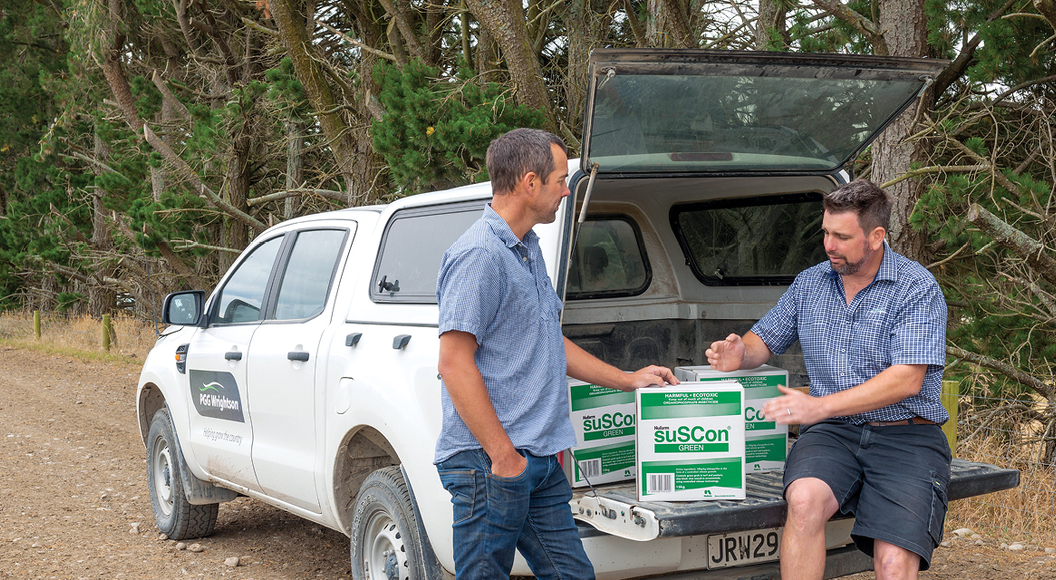
Your best tool for managing grass grub
Cameron Henderson converted from drystock to dairy in 2011. The light, free draining soils and dry conditions on his Canterbury farm were the perfect conditions for grass grub, and any new pasture was quickly devastated. On the advice of Kaleb Bolton, PGG Wrightson Technical Field Representative...
Video or image
Benefits of Lime
Stephanie Sloan, Technical Specialist at PGG Wrightson, describes pH as the “referee of the soil”. In this first video of a series of three, Stephanie explains the role of pH in your soil fertility and how lime can help in getting your pH right.
Video or image
Diploid vs Tetraploid Ryegrass
There are both diploids and tetraploids across the ryegrass continuum. Gary Bosley, PGG Wrightson Technical Specialist, explains some of the differences between the two types and helps you decide which might be more suitable for your farm system.
Video or image
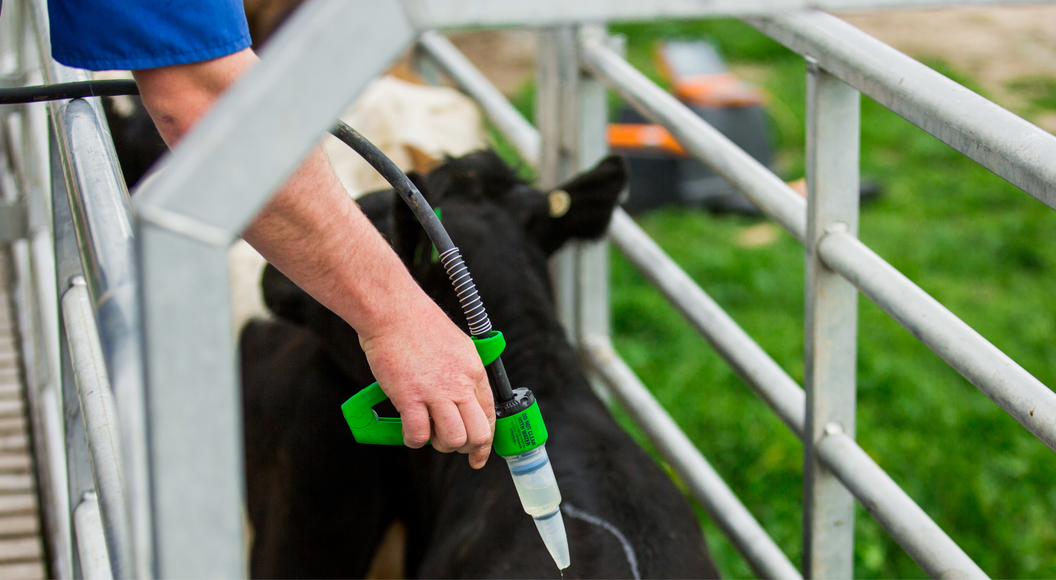
Your checklist at weaning
If the cow and calf are competing for high quality feed, then it’s time to wean. There are several factors to think about when that time comes. Vaccination Calves should have been given a clostridial vaccination at calf marking to protect against tetanus and black leg in particular. As this would...
Video or image
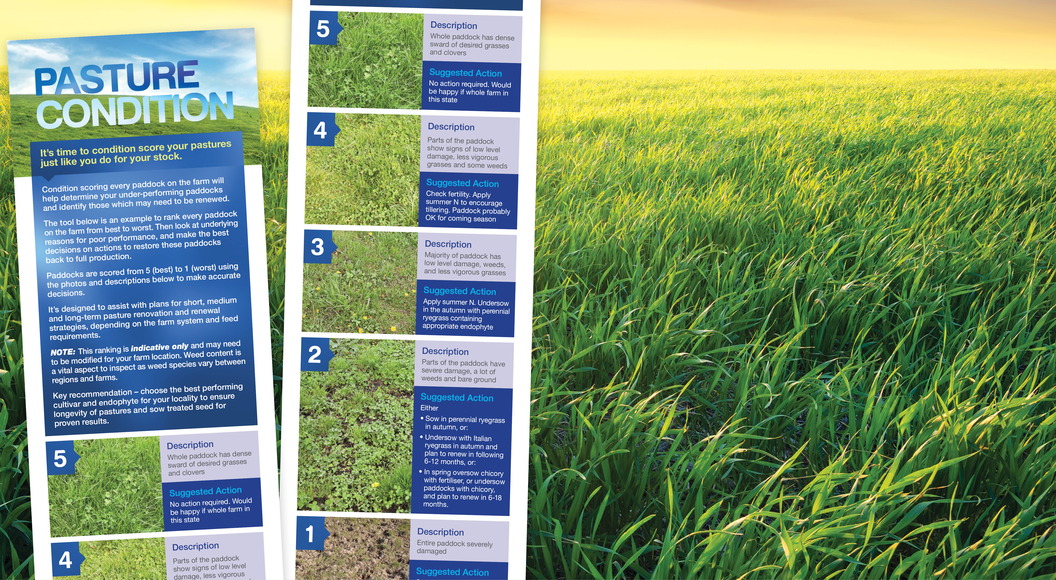
Maximise performance with pasture renewal
In 2017, there was 12 months’ worth of rainfall between January and July and in many places this led to a lack of new pastures going in last autumn. The thought of which pastures to renew and the cost is quite daunting, so how do you prioritise which paddocks to renew over others? An industry...
Video or image
Livestock Update February 2018
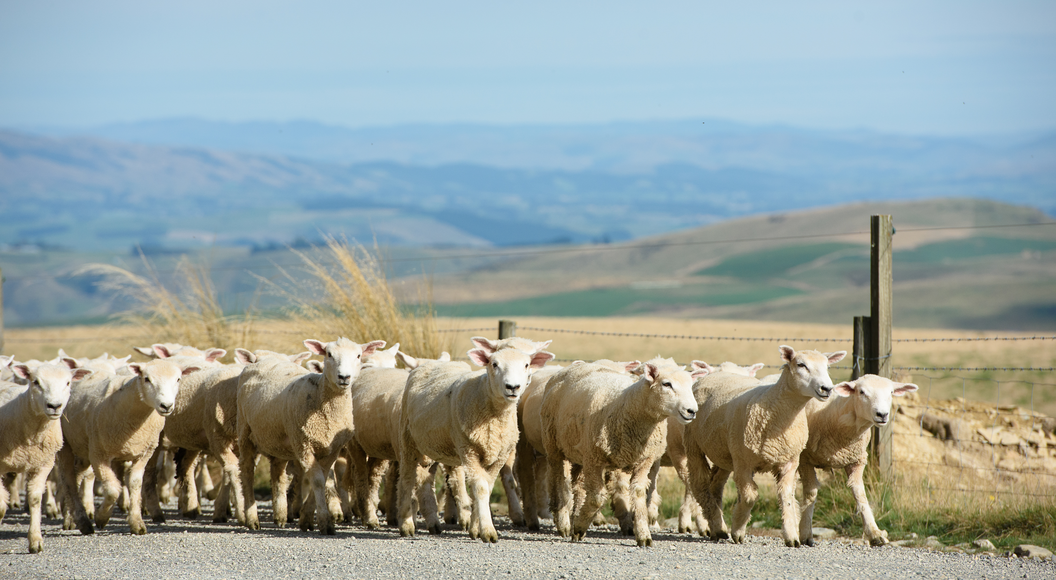
South Island Sheep and Beef The two halves of the South Island couldn't be in more of a contrast. Otago and Southland have become very dry as hot conditions prevail. Whilst Canterbury north have had good rainfalls taking the pressure off, as farmers use the extra feed to put weight on animals. The...
Video or image
Aphid control in forage brassicas
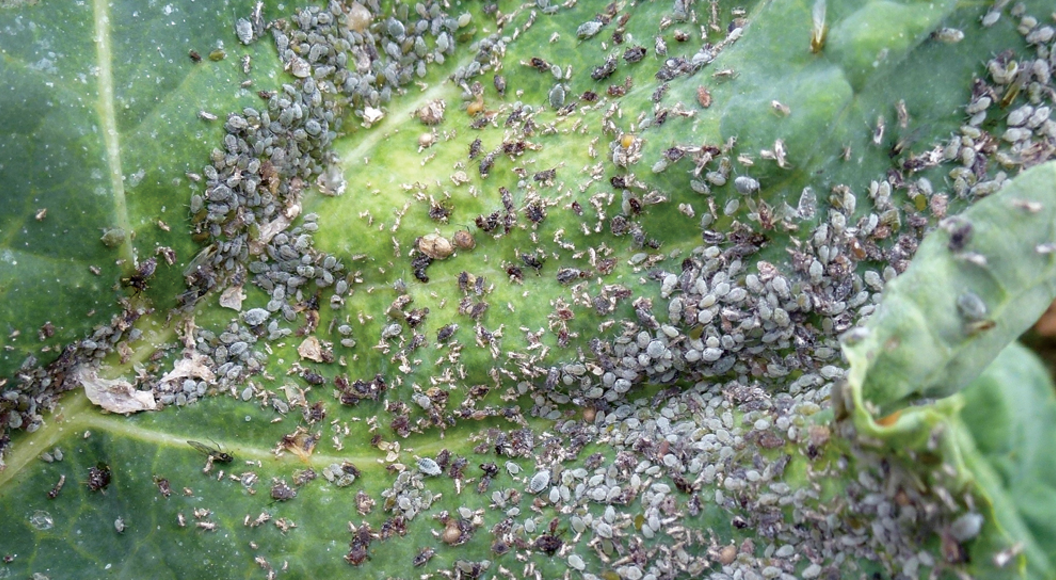
Aphids can cause significant damage to your forage brassicas. Populations of both the cabbage grey aphid and green peach aphid damage your crop by sucking plant sap. The resulting yellowing and wilting reduces growth rates. Aphids also transmit plant viruses in brassicas and their feeding points...
Video or image

Super spreader delivers for forage brassica applications
The benefits Du-Wett® consistently deliver to horticultural spray applications are now being realised by farmers and spraying contractors responsible for insect pest management in forage brassicas and other agricultural crops. Gilchrist Brothers Ltd is an agricultural contracting business...
Video or image
Getting the best from your fodder beet crops
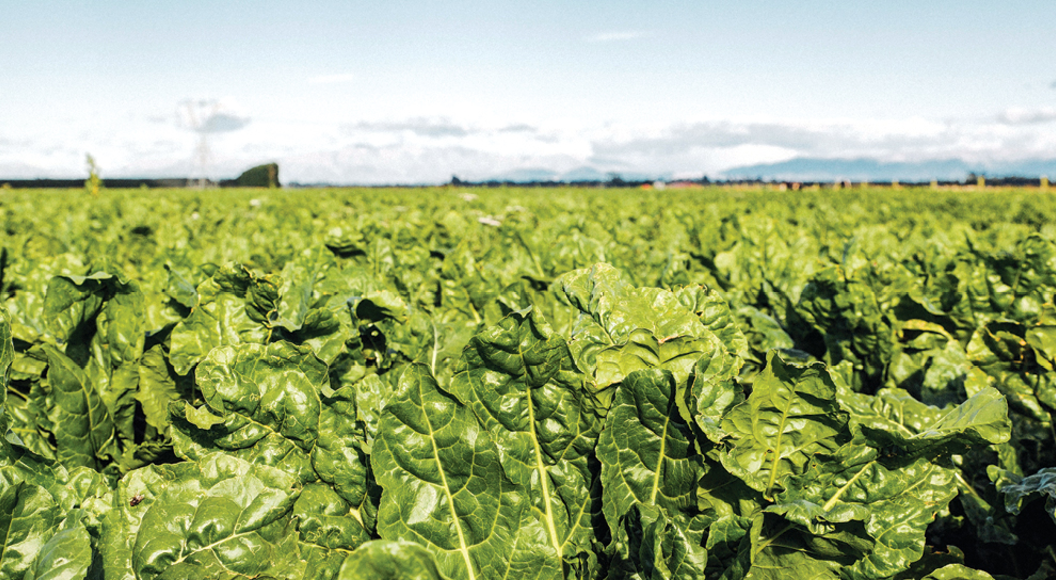
Getting good yield from your beet crop takes some good decisions, timing and the weather playing ball. Most of the work with beet is right at the start, but remember to focus on four key things once the crop is established to maximise yields. Canopy development Beet crop yields are mostly grown over...
Video or image
Strong result for Olrig Station
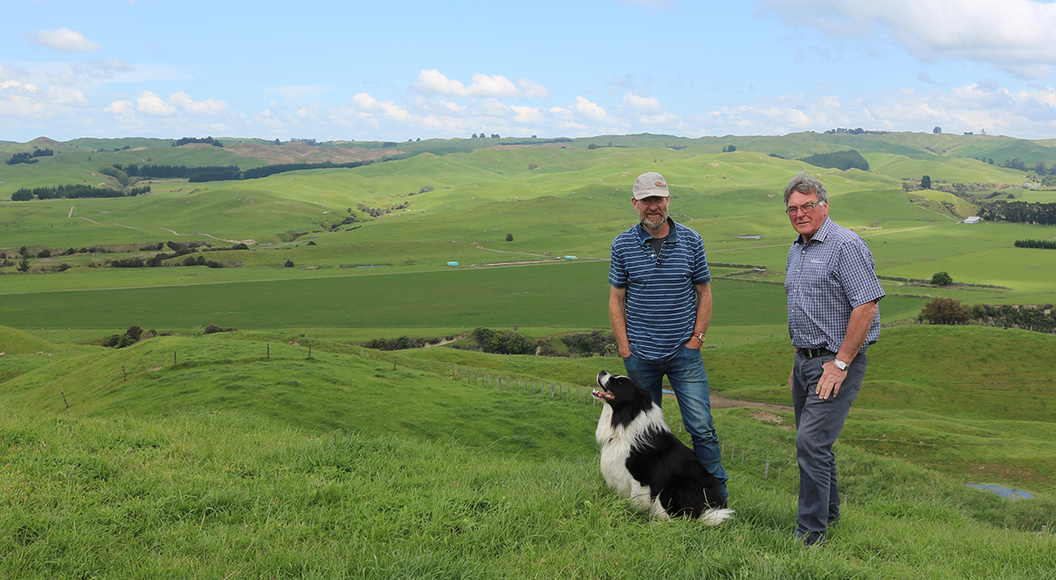
Historic Olrig Station in Hawke’s Bay sold under the hammer by the PGG Wrightson Real Estate team on Friday 10 November. The property sold for $10.170 million. Interest was strong in the spectacular 848 hectare property, which came to the market for the first time since 1859. Olrig Station was...
Video or image
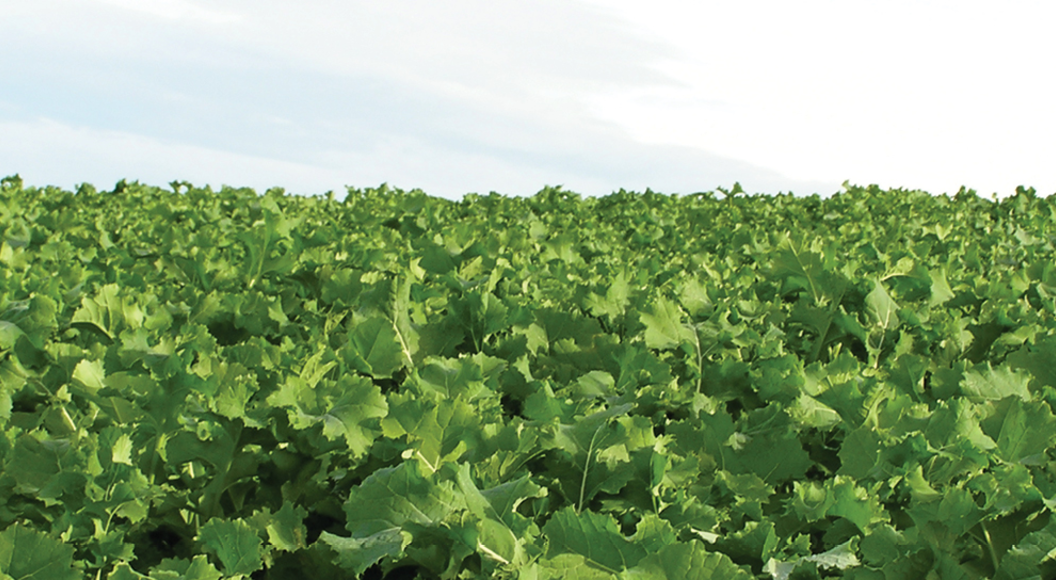
Have you considered forage rape?
With summer around the corner, now is a good time to start considering feed supplies going forward, especially over the drier summer months. If you have suffered from the excessively wet winter and have damaged pastures, rather than re-sowing pasture, an alternative option is to use a forage...