
Filter By
1400 Result(s)
Video or image
PGG Wrightson Livestock Roundup 23 August 2019
Mark Leishman caught up with Peter Moore, GM of PGG Wrightson Livestock on Country TV’s Roundup on Friday, 23 August. In this interview Peter talks about what’s happening at the moment with feeder calves and bobby calves along with a quick snapshot on what’s happening in terms of prices and demand...
Video or image
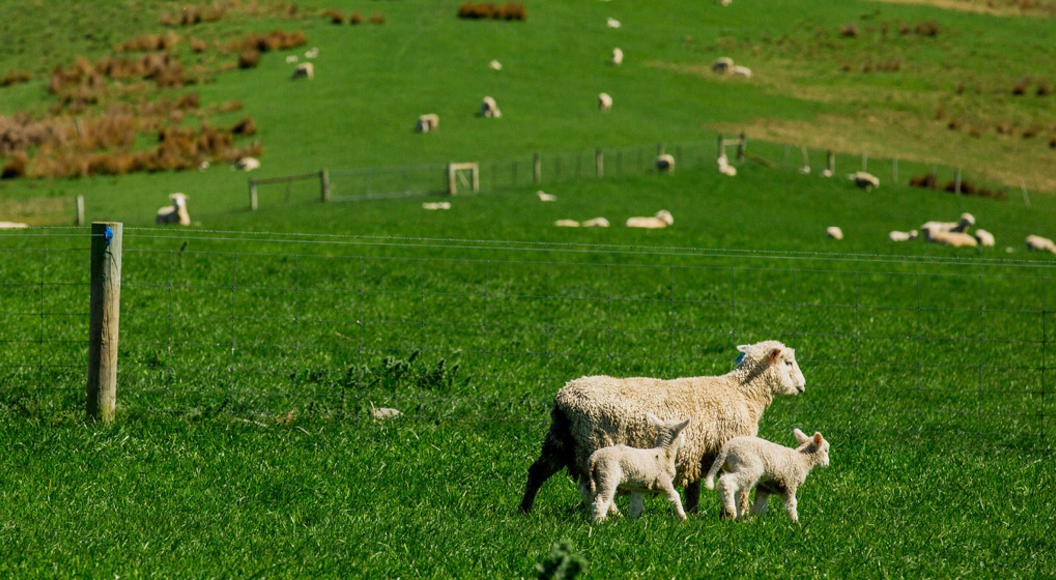
Livestock Market Update August 2019
Sheep & Beef Shane Gerken - South Island Livestock Manager Buyers are being very selective with the quality of cattle they purchase, which is typical at this time of the year. Better quality types of both traditional/beef and dairy-beef are available and these are seeing strong competition at both...
Pheromone trapping service
It’s that time of the year! Pipfruit growers need to start thinking about pheromone trapping and registering your blocks with Apple and Pear NZ, for Codling Moth sensitive markets during August. Pipfruit growers should firstly identify any production sites which may have fallen into the high-risk...
Video or image
PGG Wrightson Livestock Roundup 9 August 2019
Mark Leishman caught up with Peter Moore, GM of PGW Livestock on Country TV’s Roundup on Friday, 9th August. Listen to the full interview and find out about the current market conditions, the changes in the landscape for bobby calves, and what’s happening with stock being sold on bidr. Market update...
Video or image
Farmer's Voice: Beef and Beers at the Lake
This month Wiggy heads to Taupo and catches up with James and Elissa Cooper who run a finishing farm and have diversified with Lakeman Brewery. Due to catchment regulations they have turned a negative into a positive and use this water to make their beer.
Video or image
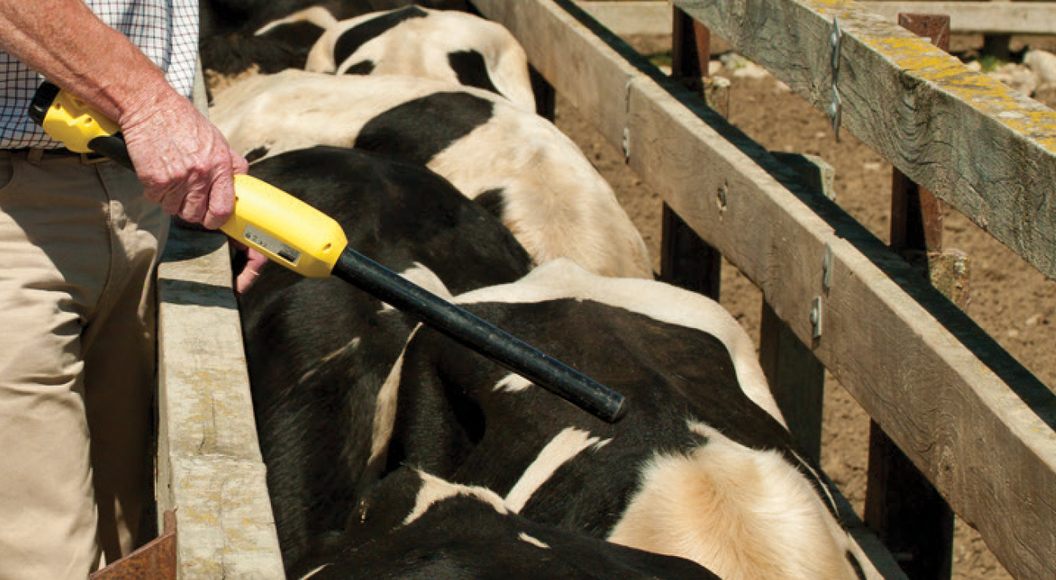
How are you tracking?
How are you tracking? Is NAIT compliance weighing heavy on your mind and tracking the right animals consumes valuable daylight? You can take out the guess work and human error with a Tru-test EID Stick Reader. Do you want to keep things streamlined and simple or do you want to dive into the data...
Video or image
July Wool Report
This week The Country's Jamie Mackay is joined by PGG GM for wool Grant Edwards to talk about the end of the 2018/19 season and how the start of the new season is looking.
Video or image
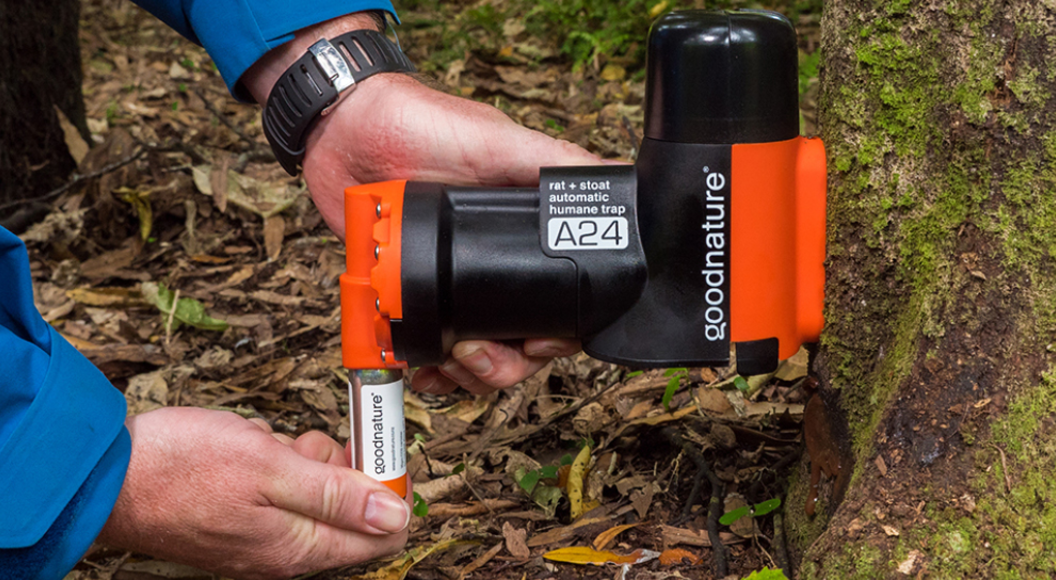
Pest control goes digital
Rats can cause significant damage on farms, lifestyle blocks, and orchards, gnawing on wiring and getting into animal feed, so controlling them matters. Goodnature is launching their latest trapping innovation, Chirp, a digitally enabled trap that can be retrofitted to any existing Goodnature A24...
Video or image
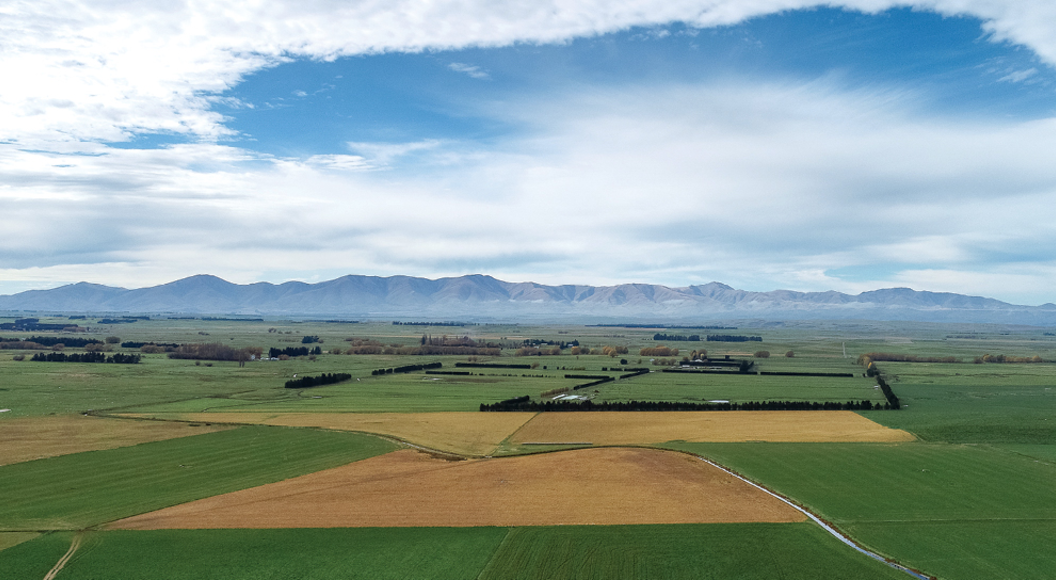
Greenlight Grower Management: A farmer's perspective
Last month Jay Howes introduced Greenlight Grower Management (GLGM), and highlighted how PGG Wrightson is using this decision support software tool to improve agronomic recommendations from Technical Field Representatives (TFRs). This month, I am going to introduce the concept of accessing GLGM...
Video or image
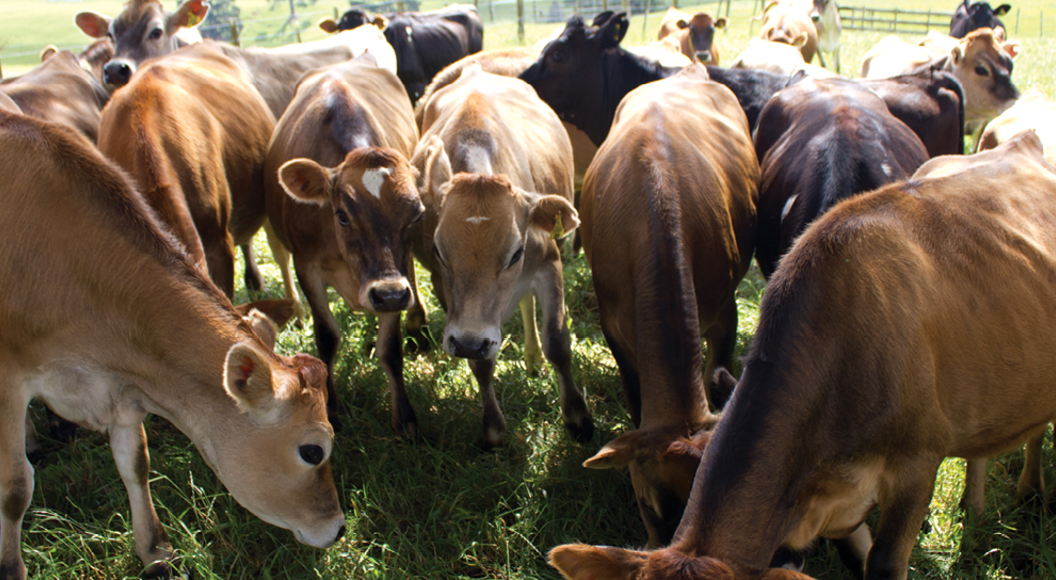
The journey to meeting calf weight targets
It is often said that heifers reaching their targets is a good indicator for farming success. Heifers reaching 30 percent of mature liveweight at six months, 60 percent at 15 months (mating) and 90 percent at 22 months (pre-calving) are crucial milestones. “Keep in mind that younger calves have a...
Video or image
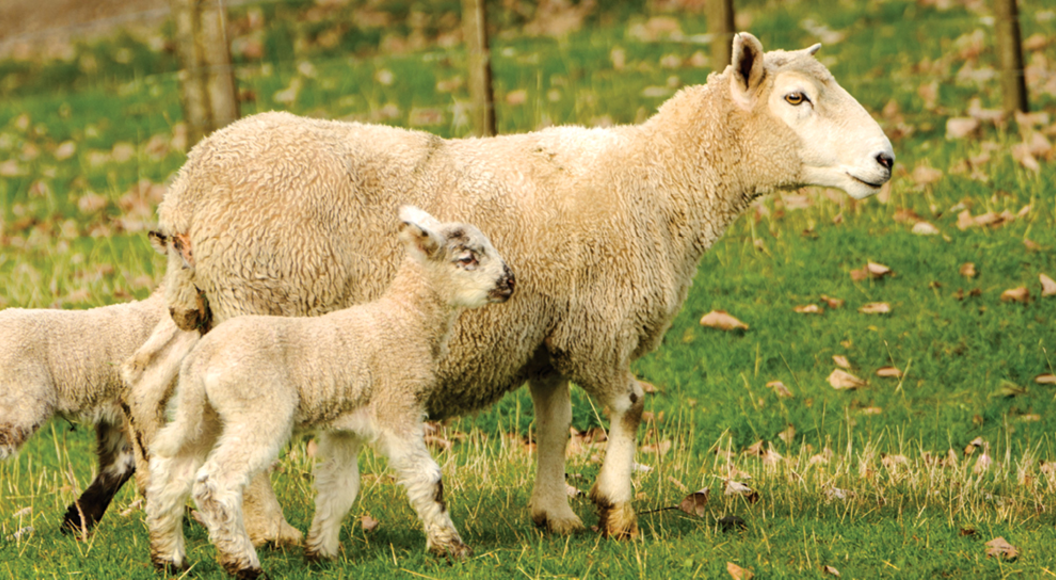
Influencing lamb survival
Now that ewes are pregnant, the focus turns to maximising the survival of lambs to ensure profitability of the sheep breeding system. Placental development influences lamb birthweight, which in turn strongly determines survival rates post birth. The development of the placenta between 30 to 90 days...
Video or image
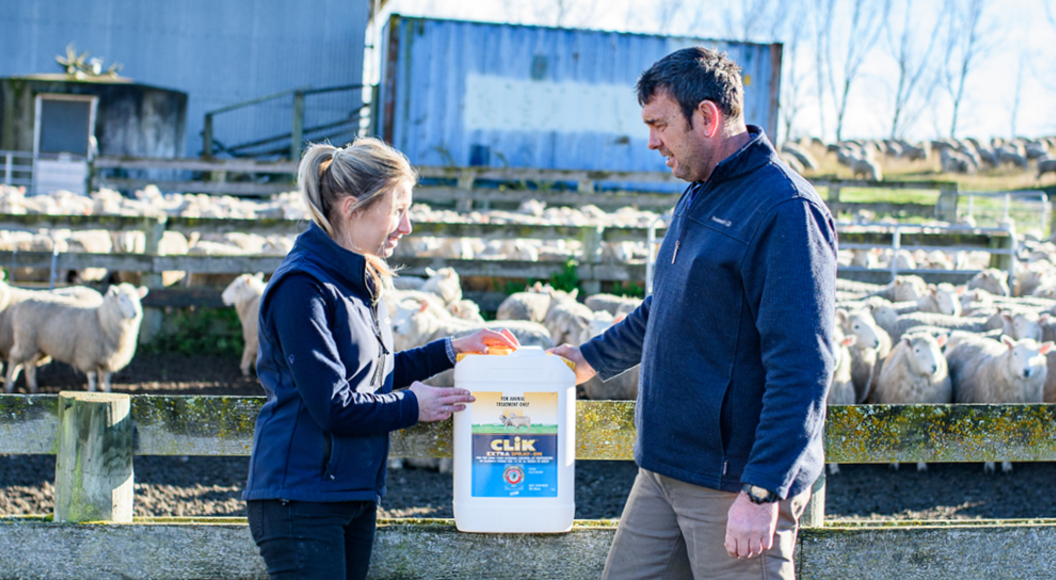
Your insurance against flystrike
CLiK™ Extra Spray-On is the gold standard product for flystrike prevention in sheep. Central Otago sheep and beef farmers Dougal and Sarah MacDougall can attest to that, having treated 10,000 to 15,000 lambs with CLiK every year for the last decade. The MacDougalls own Minzion Station at Millers...
Video or image
Peter Newbold Live on The Country - Rural Real Estate July 2019
Although those in the dairy industry are use to dealing with cows, today on The Country Jamie Mackay wanted to talk to PGG Wrightson Real Estate GM Peter Newbold about elephants. The Country host was referring to the elephant in the room for New Zealand dairy listings - debt. Newbold put the current...
Video or image
Livestock Market Update July 2019
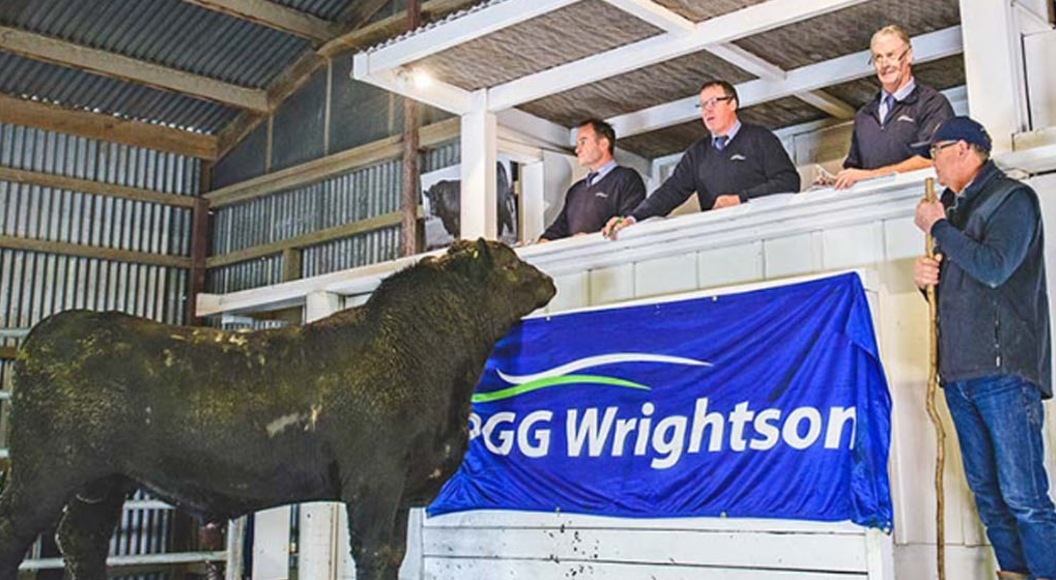
South Island Sheep & Beef Update Shane Gerken - South Island Livestock Manager Winter conditions have been milder than normal especially in the coastal areas of Otago, with some pastures closer to resembling mid-summer rather than mid-winter. The utilisation of crops has meant an abundance of...
Video or image
PGG Wrightson Livestock Roundup July 12
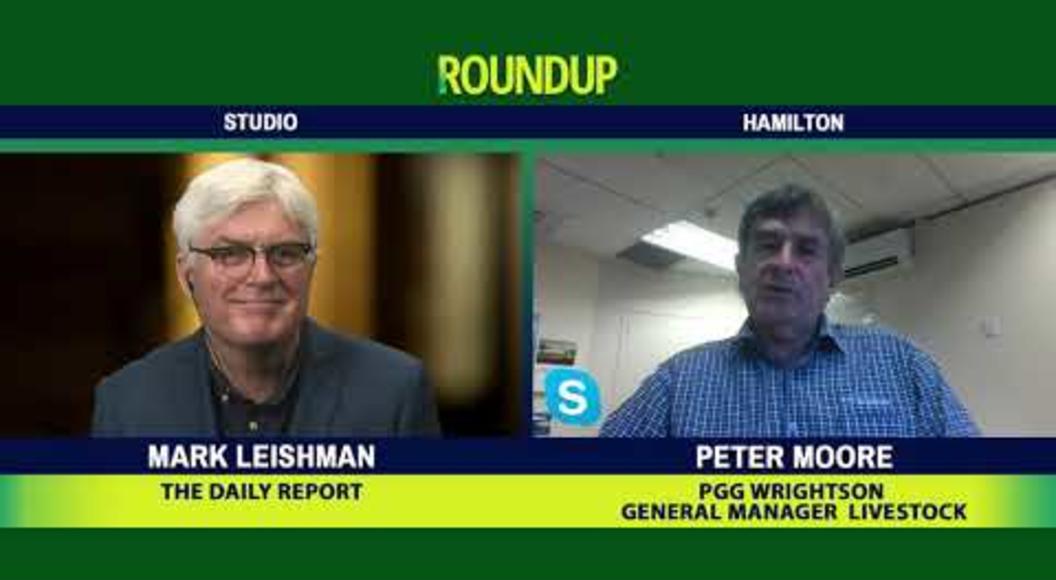
Peter Moore, PGG Wrightson Livestock GM talks to Mark Leishman on the Country TV’s Round Up (Friday, July 12 th). In this interview Peter provides an update on the following: Weather conditions - farmers will be pleased that the wet conditions around the country will be helping to raise soil...
Video or image
Waiheke Island's Largest Vineyard
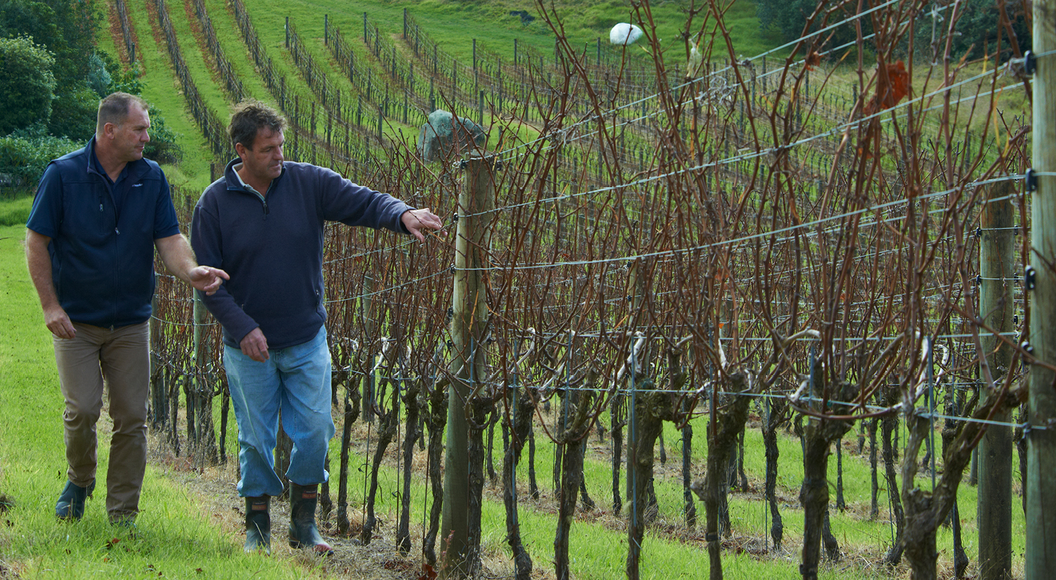
With 76 individual vineyards dotted across a 2,362 ha property at the eastern end of Waiheke Island in Auckland’s Hauraki Gulf, Man O’ War has a unique and special viticultural operation. Starting as a small, experimental planting of Bordeaux wine grapes in 1993, Man O’ War vineyard is now a complex...
Video or image
Farmer's Voice: bidr®
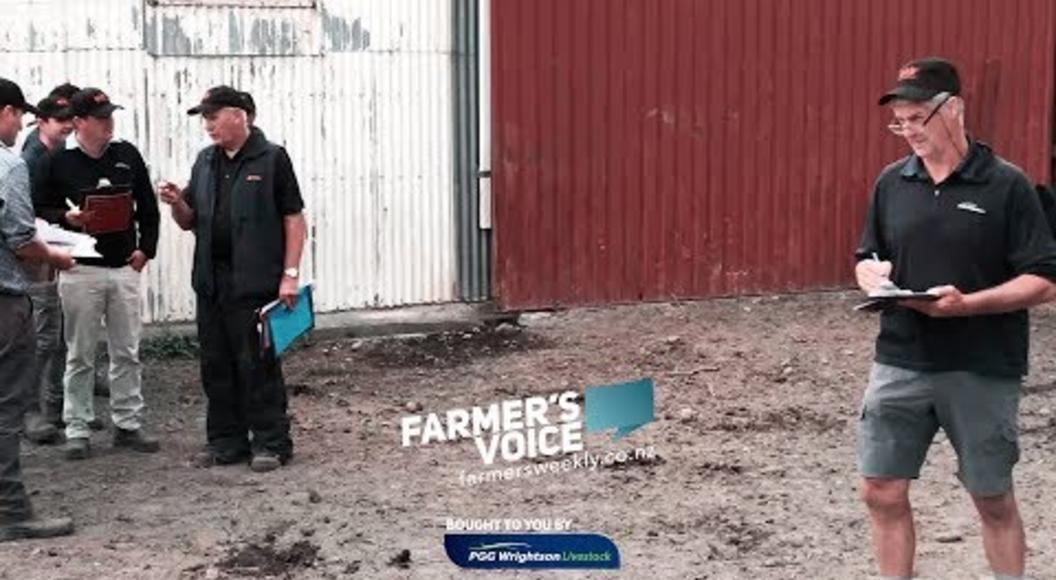
On this episode of Farmer's Voice Wiggy catches up with chairman Peter Moore and general manager Tania Smith of bidr - an online rural market place that connects the right stock with the right buyers.
Video or image
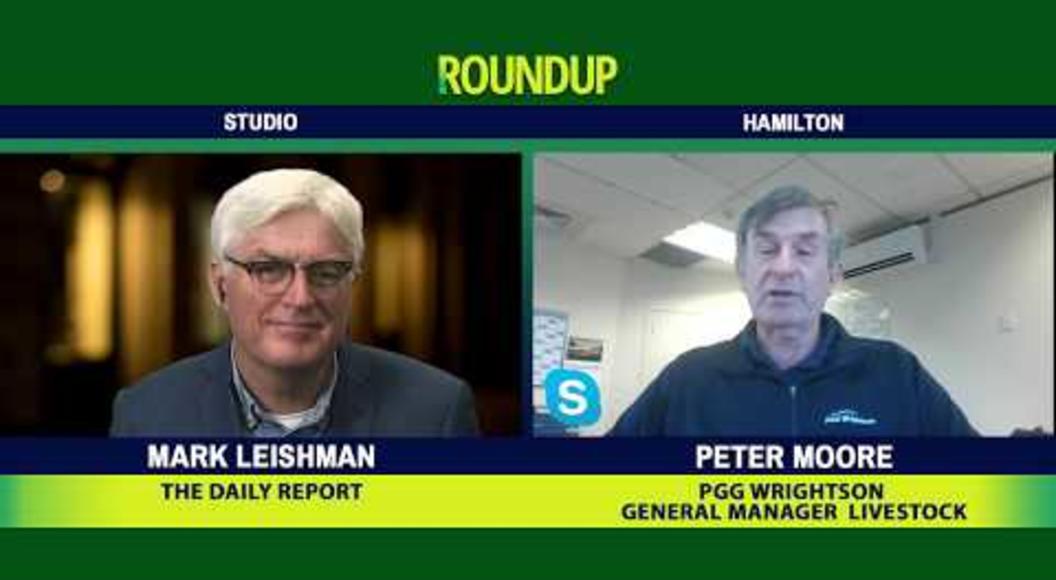
PGG Wrightson Livestock Roundup June 28
Mark Leishman talks to PGW Livestock GM, Peter Moore in the latest Livestock Update. This week’s interview focuses on general conditions, the successful launch of bidr® at Fieldays and an update on the market. General Conditions Fresh mornings and beautiful days are giving good feed utilization for...