
Video or image
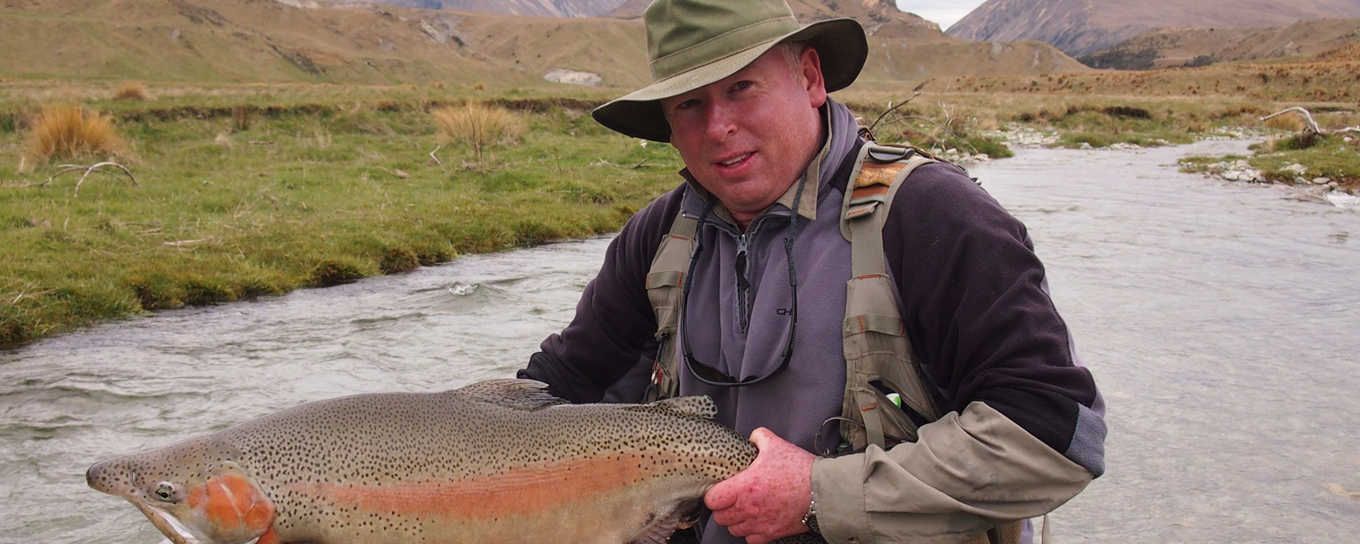
Staff Profile: Daryl Paskell
Daryl Paskell’s whole career has been in wool, first for Wrightson NMA, then, with mergers, for PGG Wrightson. Initially in the wool store, he become a wool rep in 1993. His territory now extends across most of Northern and Central Southland, plus some of Eastern Southland, which produces around 15,000 bales per annum. While that is one of the stronger producing regions in the network, when the merger took place with Pyne Gould Guinness in 2005, the region produced 33,000 bales.
“Land use change happened. This part of the country has seen plenty of dairy conversions, as well as some urban sprawl, which has resulted in a smaller clip,” he says.
He still sees the region as ideal for wool.
“Southland is a high producing area, dictated by the weather. With moisture and grass growth before Christmas, this year’s clip had relatively high colour. In a dry year, however, the colour of Southland wool is second to none,” he says.
Automation is the industry’s most positive development through 37 years, Daryl reckons.
“Changing from man power to smart power: electronic change. When I started, trucks lined up alongside the store with guys and wheelbarrows in and out, unloading by hand. Now it’s all done with much less effort, using fork lifts. Where there used to be 70 or 80 people working, now the staff is seven or eight, which is just one example of how technology has improved the business. It has been a big change,” he says.
For the first ten years of Daryl’s career, wool was profitable. Since then, however, times have been tough.
“Although there have been spikes, returns for growers have mainly been ordinary. It is frustrating because it is the only facet of farming that is not currently doing well: mutton, lamb, beef, grain, venison, fine wool, all at highs or all time highs. Meanwhile, anyone growing crossbred wool struggles.
“I firmly believe the strong wool market will recover. Alternative uses need to be found to create demand, and give growers more value. It has been a long wait,” he says.
Fortunately, patience is part of Daryl’s nature: whenever he is not working, he is a keen fly fisherman and can often be found guiding visitors from the United States or Australia around some of Southland’s best spots.
Related News
Video or image
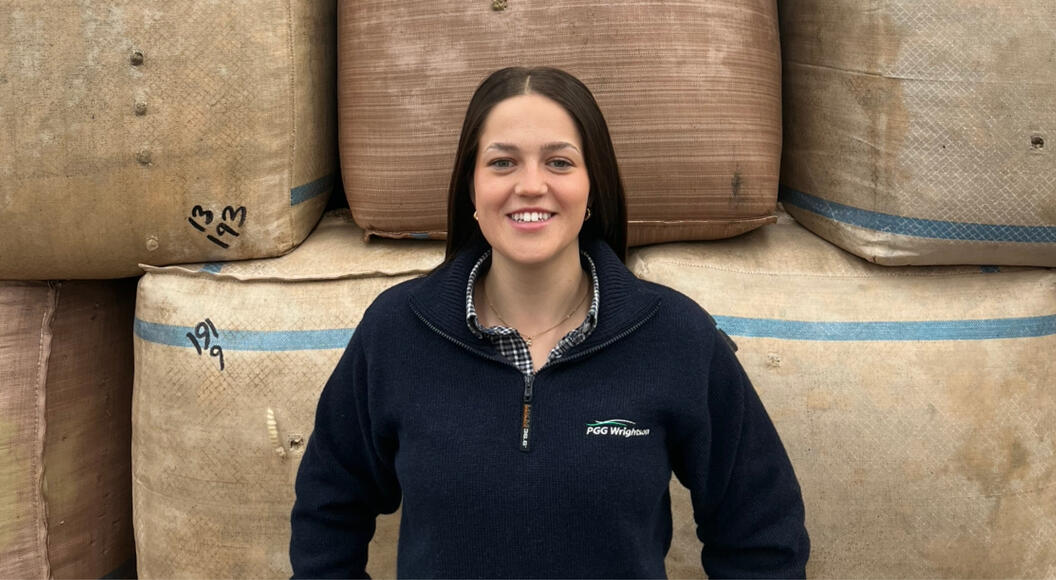
From the woolshed to the road: Carley Pryce steps into her new role as a PGW Wool rep
For Carley Pryce, wool has never been ‘just a job’. It’s been a thread running through her working life since she was a teenager, shaping her skills, her confidence, and her connection to rural New Zealand. Now, after years of building experience across the agricultural sector, Carley has taken the...
Video or image
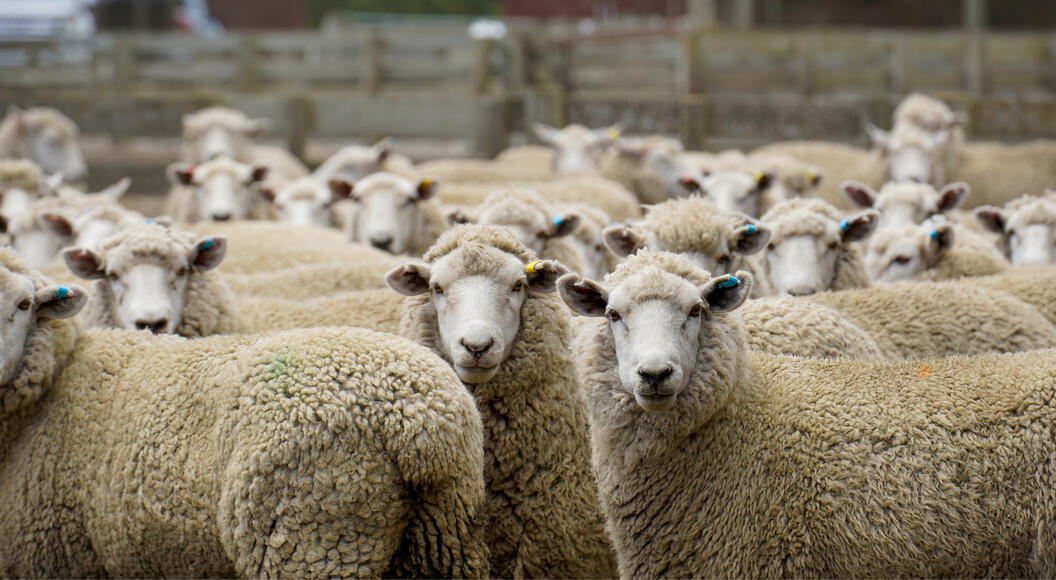
Confidence holds as wool market maintains momentum
After a sustained period of growth, the wool market has continued to hold at significantly improved levels through recent sales. Strong competition and tightening supply are supporting confidence across the sector, with prices paid in the auction room the highest they have been since 2011. The move...
Video or image

7-year-old Clyde student becomes one of New Zealand’s youngest PGW wool clients
A Clyde Primary School project may have launched a future career for seven-year-old student Beau A’Court, as he has become one of New Zealand’s youngest wool clients of PGW - after recently discovering a passion for the fibre and finding an unlikely mentor in wool representative Graeme Bell...
Video or image
From the woolshed to the road: Carley Pryce steps into her new role as a PGW Wool rep
For Carley Pryce, wool has never been ‘just a job’. It’s been a thread running through her working life since she was a teenager, shaping her skills, her confidence, and her connection to rural New Zealand. Now, after years of building experience across the agricultural sector, Carley has taken the...
Video or image
Confidence holds as wool market maintains momentum
After a sustained period of growth, the wool market has continued to hold at significantly improved levels through recent sales. Strong competition and tightening supply are supporting confidence across the sector, with prices paid in the auction room the highest they have been since 2011. The move...
Video or image
7-year-old Clyde student becomes one of New Zealand’s youngest PGW wool clients
A Clyde Primary School project may have launched a future career for seven-year-old student Beau A’Court, as he has become one of New Zealand’s youngest wool clients of PGW - after recently discovering a passion for the fibre and finding an unlikely mentor in wool representative Graeme Bell...