
Video or image
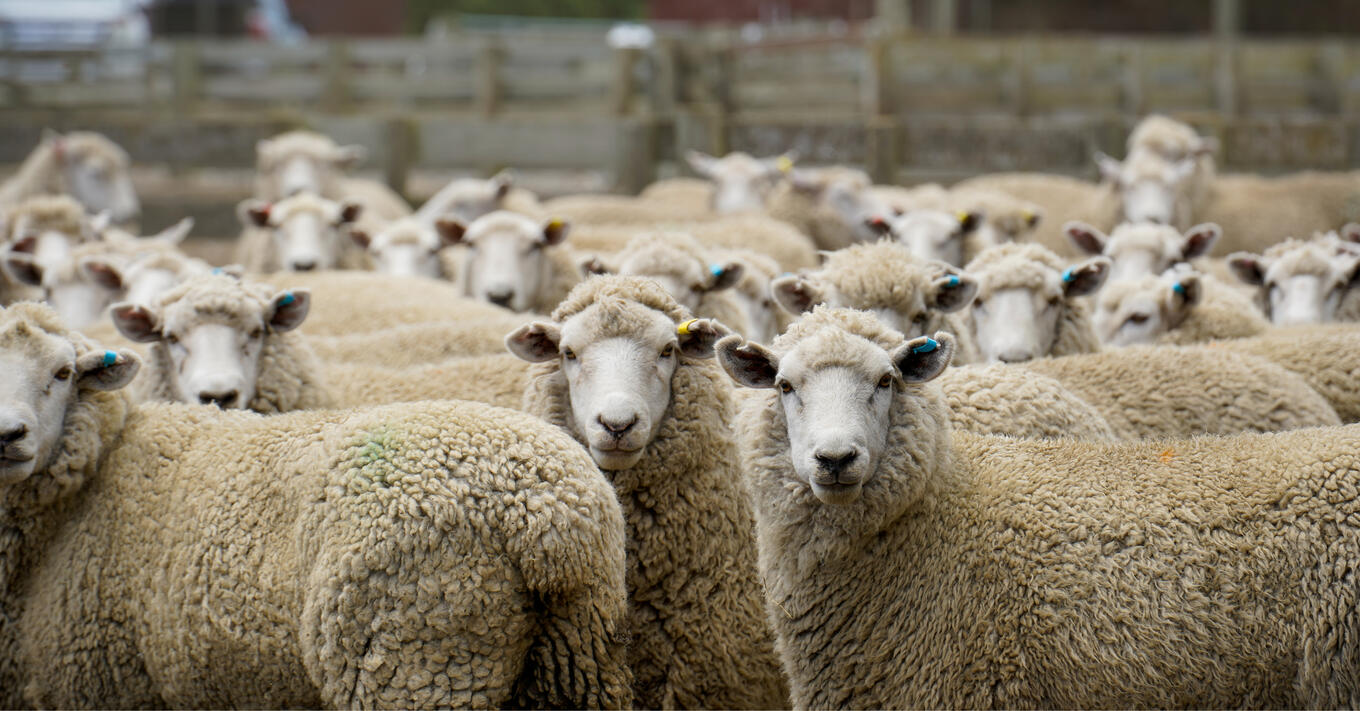
Confidence holds as wool market maintains momentum
After a sustained period of growth, the wool market has continued to hold at significantly improved levels through recent sales.
Strong competition and tightening supply are supporting confidence across the sector, with prices paid in the auction room the highest they have been since 2011.
The move to a national auction system has begun positively, with the first two combined New Zealand wool sales delivering animated bidding and further lifts across most wool types.
The transition to a national open-cry selling platform is designed to strengthen competition by increasing eyes on the marketplace, increasing buyer participation and improving efficiencies across the sector.
While wider global uncertainty continues to influence international markets, demand for New Zealand wool remains firm, particularly for well-prepared lines and natural fibre products.

Global uncertainty reshaping fibre markets
Broader global uncertainty continues to influence sentiment across the textile sector, particularly around synthetic fibres and oil-based inputs.
Rising costs and supply volatility are helping to shift attention toward natural fibres, with wool increasingly being recognised for its reliability, traceability and environmental credentials.
For the last 20 or 30 years synthetics have been seen as cheap and reliable. Right now, they’re neither.
At the same time, tightening global wool supplies and improving international interest continue to support demand for New Zealand wool.
Organic wool and natural fibre demand continue to grow
Growing international demand for traceable and sustainably produced fibre is continuing to create opportunities across the wool sector, particularly within the organic space.
Recent investment into Lammermoor Station highlighted the increasing value being placed on organic wool production and reinforced confidence in the future of natural fibres.
Feedback from international manufacturers also suggests many are interested in further investment to increase their wool processing capacity, despite wider economic uncertainty.
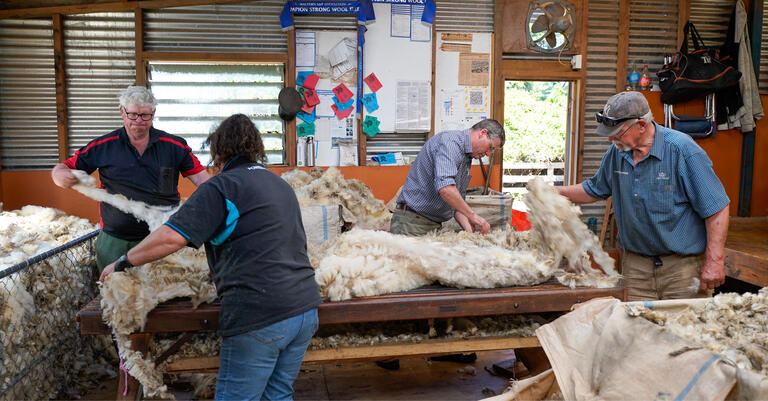
Focus remains on wool preparation
As the market becomes more selective, wool preparation and presentation remain critical to maximising grower returns.
A strong growing season has increased the risk of vegetable matter (VM) contamination in some regions, with buyers placing greater emphasis on well-prepared lines.
While wool growers can’t control global demand, fashion cycles, or currency, they do control what leaves their shed. Managing VM is one of the last levers where effort carries through to the wool cheque.
Looking ahead
While short-term volatility remains part of the wider global picture, the underlying fundamentals supporting New Zealand wool continue to strengthen.
Tightening supply, increasing demand for natural fibres, stronger international interest and the successful transition to a national auction system are all contributing to renewed confidence across the sector.
As an industry, we’re in a much stronger position than we were a couple of years ago. Investing in multiple initiatives that are bringing benefit to the wider wool industry is a strong focus for us, and while there will always be market fluctuations, there’s growing confidence around the long-term outlook for wool.
Rachel Shearer,
General Manager
PGW Wool
Related News
Video or image
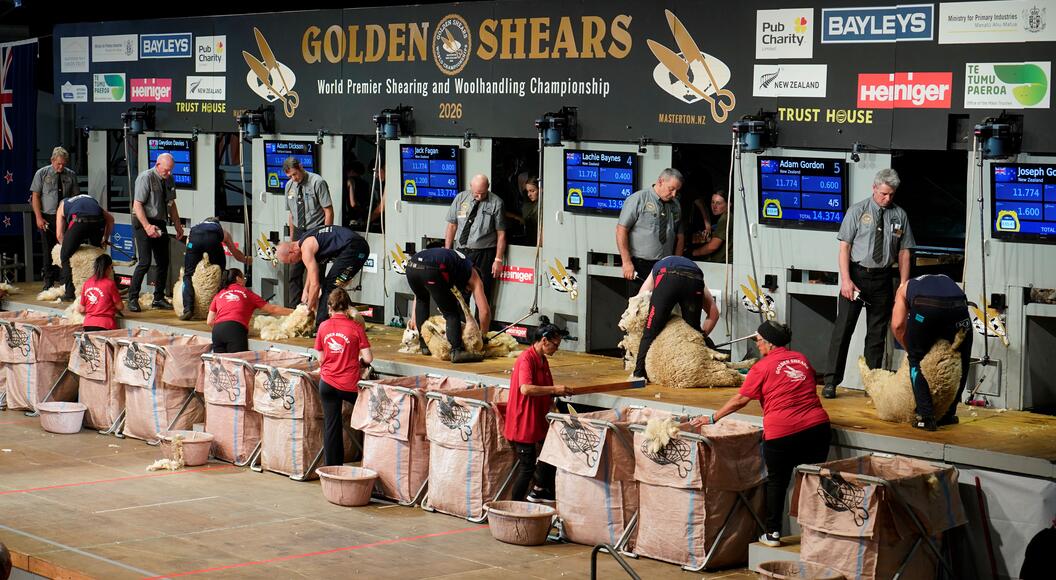
The road to Golden Shears starts again
A new season of the PGG Wrightson / Vetmed National Shearing Circuit gets underway in October, setting some of New Zealand’s best shearers on a five-round journey that will test their skill across the country and across five different wool types. The first points of the 2026/27 PGG Wrightson /...
Video or image
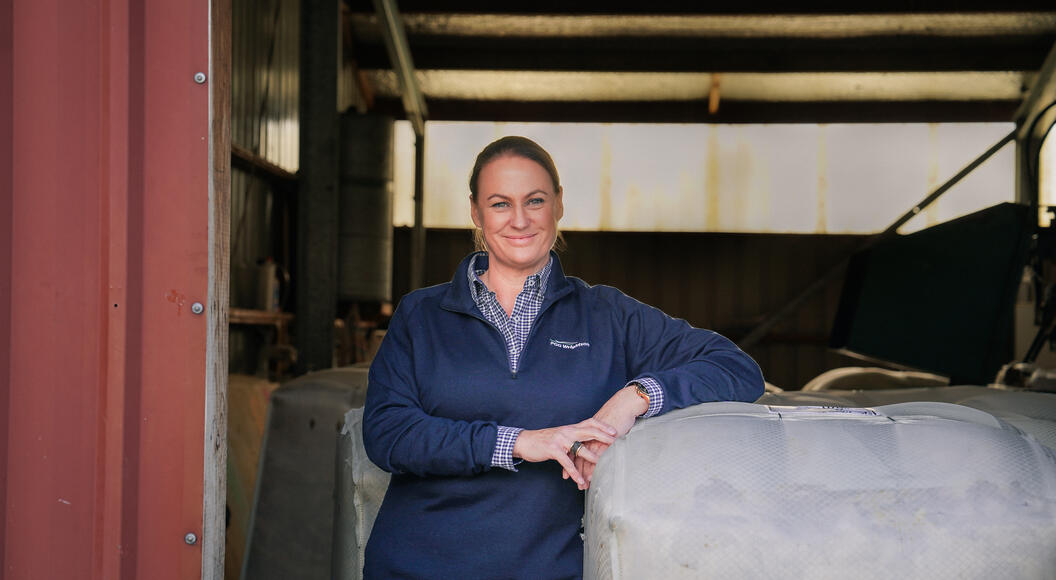
Australian buyers add heat as wool market regains confidence
Rachel Shearer, General Manager of PGW Wool, speaks with Hamish McKay from The Country about renewed competition at auction, strong wool prices and the factors shaping the longer-term outlook for New Zealand wool. Competition returned to the wool auction room in August, with increased buyer activity...
Video or image
Wool market eases as global buyers pause
Rachel Shearer, General Manager of PGW Wool, speaks with Jamie Mackay from The Country about recent market movements, global demand, and why the long-term outlook for wool remains positive. After several months of exceptional growth, the strong wool market has eased as major global buyers step back...
Video or image
The road to Golden Shears starts again
A new season of the PGG Wrightson / Vetmed National Shearing Circuit gets underway in October, setting some of New Zealand’s best shearers on a five-round journey that will test their skill across the country and across five different wool types. The first points of the 2026/27 PGG Wrightson /...
Video or image
Australian buyers add heat as wool market regains confidence
Rachel Shearer, General Manager of PGW Wool, speaks with Hamish McKay from The Country about renewed competition at auction, strong wool prices and the factors shaping the longer-term outlook for New Zealand wool. Competition returned to the wool auction room in August, with increased buyer activity...
Video or image
Wool market eases as global buyers pause
Rachel Shearer, General Manager of PGW Wool, speaks with Jamie Mackay from The Country about recent market movements, global demand, and why the long-term outlook for wool remains positive. After several months of exceptional growth, the strong wool market has eased as major global buyers step back...