
Video or image
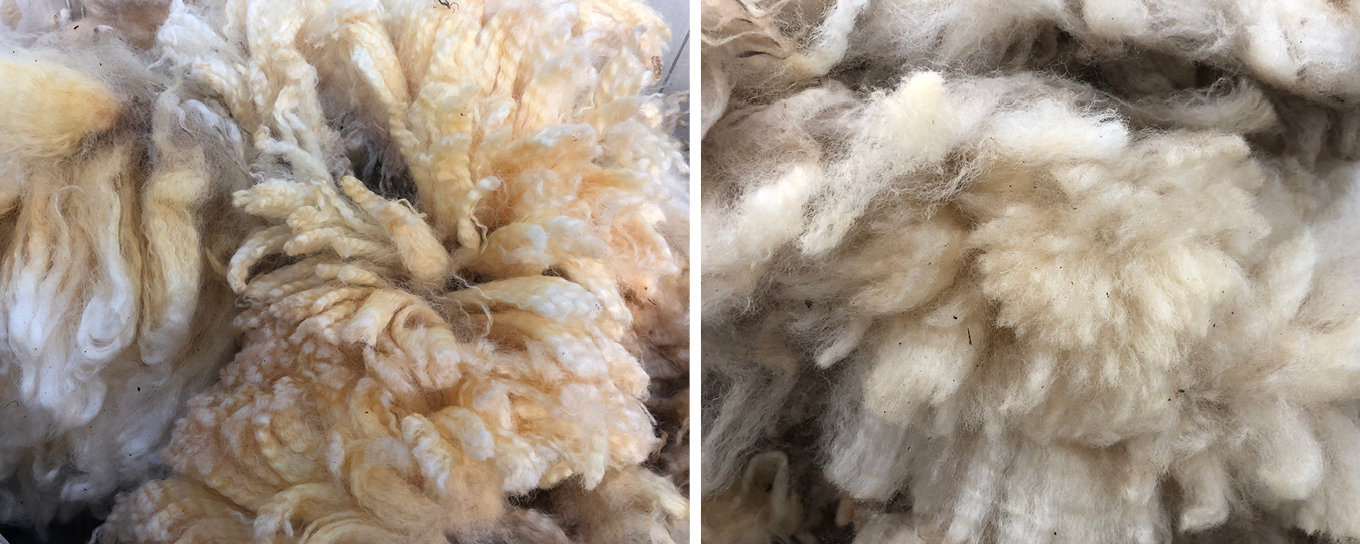
Weather Conditions Poor for Wool Colour
High humidity throughout the country has degraded wool colour, which will impact on grower returns.
Chief Executive of the New Zealand Wool Testing Authority (NZWTA) Duane Knowles says humidity has been elevated over the past two seasons.
“Because wool is a biological product, it will degrade with humidity, turning it from white to yellow, and making it less desirable for dying. This occurs before and after shearing, so also impacts on wool held in storage.
“Two seasons ago, the 2016/17 summer was the most recent ‘normal’ year for wool colour. NZWTA statistics measuring colour show this year and last, wool was typically over a unit higher in colour than in that year. Increased degradation was consistent for North and South Island wool,” he said.
In the dying process whiter wool is better able to take pastel shades, therefore commands a higher price. Yellow or creamy wool, with higher colour measurements, can only take dark colour dyes, which limits its use among spinners, dyers and manufacturers.
As New Zealand produces the world’s whitest, brightest coarse wool, in normal circumstances it attracts a premium. However, when colour is high it can be substituted with wool from elsewhere, reducing demand and lowering market prices.
Optimising colour is difficult, says Duane.
“Although growers have little control over humidity, they can control decisions around shearing times and patterns. The longer wool is left on the sheep, the yellower it becomes; and the longer it is stored before sale, the more it degrades. Shearing on a six or eight month cycle is therefore preferable to a 12 month shearing pattern, and minimal storage will also ensure optimum colour,” he said.
Test certificates for colour are only valid for six months. If wool is held for longer, a new test will have to be run.
Related News
Video or image
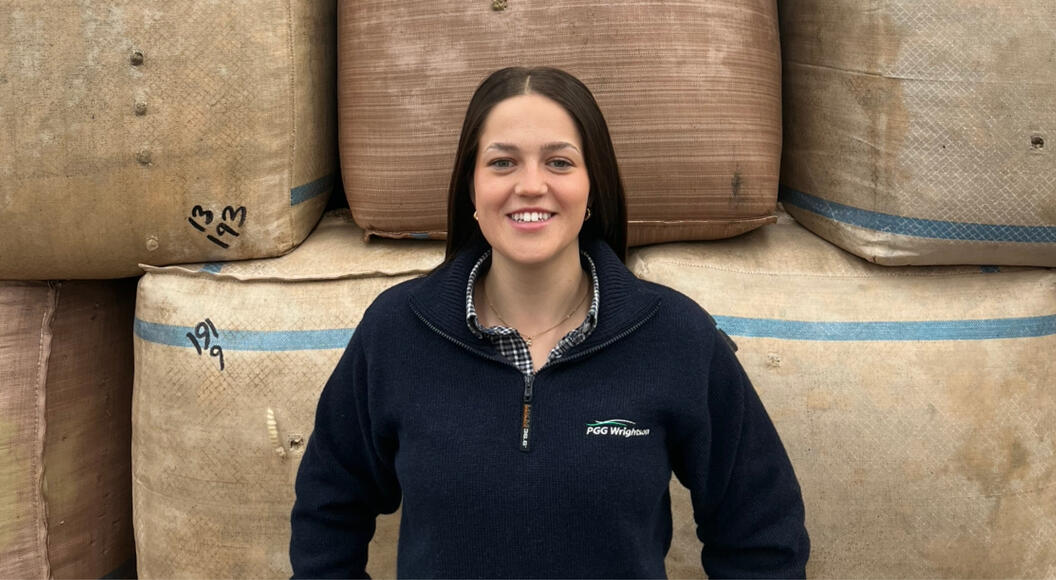
From the woolshed to the road: Carley Pryce steps into her new role as a PGW Wool rep
For Carley Pryce, wool has never been ‘just a job’. It’s been a thread running through her working life since she was a teenager, shaping her skills, her confidence, and her connection to rural New Zealand. Now, after years of building experience across the agricultural sector, Carley has taken the...
Video or image
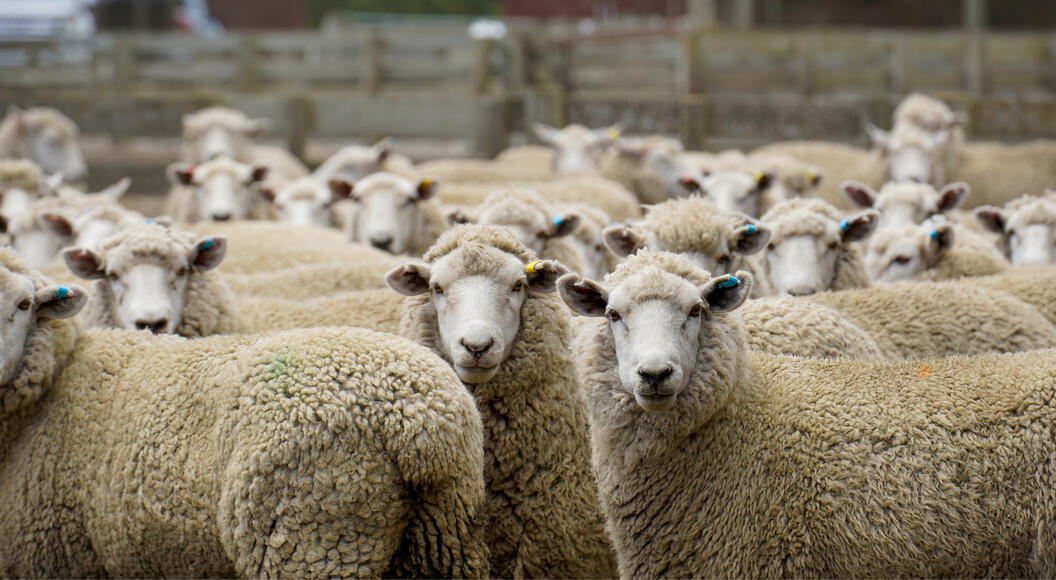
Confidence holds as wool market maintains momentum
After a sustained period of growth, the wool market has continued to hold at significantly improved levels through recent sales. Strong competition and tightening supply are supporting confidence across the sector, with prices paid in the auction room the highest they have been since 2011. The move...
Video or image

7-year-old Clyde student becomes one of New Zealand’s youngest PGW wool clients
A Clyde Primary School project may have launched a future career for seven-year-old student Beau A’Court, as he has become one of New Zealand’s youngest wool clients of PGW - after recently discovering a passion for the fibre and finding an unlikely mentor in wool representative Graeme Bell...
Video or image
From the woolshed to the road: Carley Pryce steps into her new role as a PGW Wool rep
For Carley Pryce, wool has never been ‘just a job’. It’s been a thread running through her working life since she was a teenager, shaping her skills, her confidence, and her connection to rural New Zealand. Now, after years of building experience across the agricultural sector, Carley has taken the...
Video or image
Confidence holds as wool market maintains momentum
After a sustained period of growth, the wool market has continued to hold at significantly improved levels through recent sales. Strong competition and tightening supply are supporting confidence across the sector, with prices paid in the auction room the highest they have been since 2011. The move...
Video or image
7-year-old Clyde student becomes one of New Zealand’s youngest PGW wool clients
A Clyde Primary School project may have launched a future career for seven-year-old student Beau A’Court, as he has become one of New Zealand’s youngest wool clients of PGW - after recently discovering a passion for the fibre and finding an unlikely mentor in wool representative Graeme Bell...