
Video or image

What to watch out for in wine grapes over April
Bunches become increasingly susceptible to botrytis bunch rot as they ripen. Monitor weather forecasts closely and make sure fungicide covers are applied in anticipation of wet weather. This should be the policy through until pre-harvest while strictly observing product PHIs.
- If bird damage is a perennial problem in your block, an integrated approach to their management might be appropriate. Netting should be the mainstay of any strategy for growers with high pressure blocks, as they physically exclude feeding activity. Various scaring devices play an important supplementary role and these should be moved frequently within the block to stop birds
getting used to them. - Lack of magnesium in vines may adversely affect their ability to manufacture carbohydrates and may even lead to premature fruit drop at harvest. Make sure Wine Grapes Mg levels are monitored during the growing season and well-timed sprays are made.
The period leading into harvest represents a key time to gauge the insect pest status in your vineyard blocks. Pests like leaf roller and mealy bug build up their populations as the season advances, so tend to be at their most abundant around harvest time. Both pests habitually migrate into bunches around veraison, the bunches offering them a highly-nutritious food source and a protected environment from their natural enemies.
Once inside their presence can impact negatively on fruit quality. The ability of mealy bug to transmit the grapevine leafroll 3 virus underlines the need to keep this pest under control.
Best practice to get an indication of pest pressure is to destructively assess a representative sample of bunches in each block and record the number which harbour insects. This information will not only give you an accurate record of the resident pest population but will also help frame the crop protection strategy for the following growing season. Remember SWNZ requires systematic monitoring be carried out before insecticides can be applied.
Related News
Video or image

PGG Wrightson joins A Lighter Touch crop protection change
PGG Wrightson (PGW) is partnering with A Lighter Touch to support growers in moving to more sustainable crop protection programmes. A Lighter Touch is a $27 million industry and government partnership which is co-funded by the Ministry for Primary Industries, 15 product group partners and three crop...
Video or image
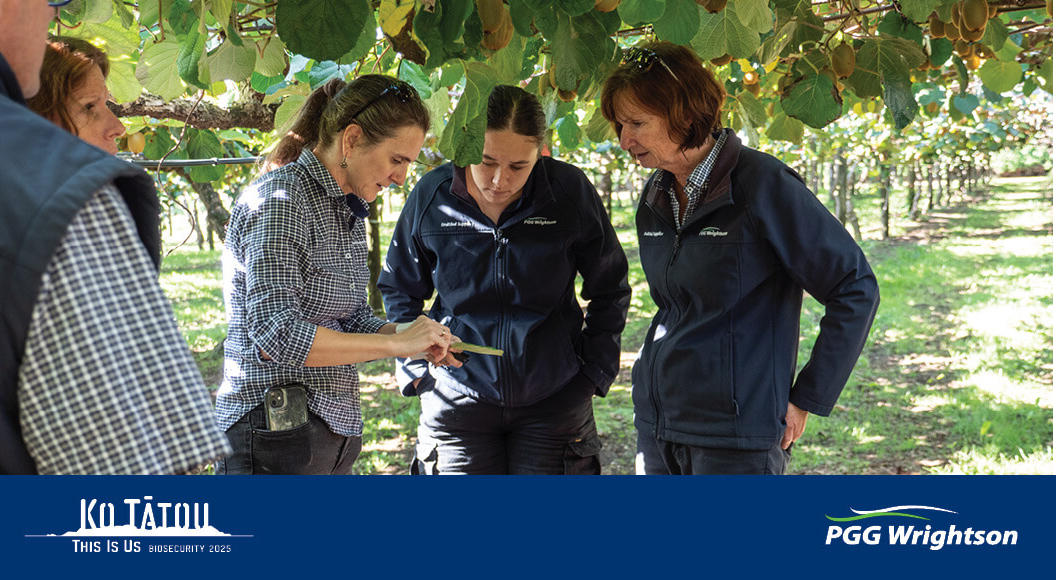
PGG Wrightson signs Biosecurity Pledge
Aotearoa New Zealand sits in a unique position being an isolated island nation which has historically protected it from a number of pests and diseases found elsewhere, but the high volume of trade and tourism increases the risk of them getting across the border. Biosecurity is a major risk to...
Video or image

Sheffield Primary receives boost from Cash for Communities Programme
Raising funds to provide Kiwi kids with additional resources and equipment to enjoy while at school takes considerable time and effort in fundraising. For Sheffield Primary School in Mid Canterbury, the Cash for Communities programme delivered a win recently with the school being donated $333. Nigel...
Video or image
PGG Wrightson joins A Lighter Touch crop protection change
PGG Wrightson (PGW) is partnering with A Lighter Touch to support growers in moving to more sustainable crop protection programmes. A Lighter Touch is a $27 million industry and government partnership which is co-funded by the Ministry for Primary Industries, 15 product group partners and three crop...
Video or image
PGG Wrightson signs Biosecurity Pledge
Aotearoa New Zealand sits in a unique position being an isolated island nation which has historically protected it from a number of pests and diseases found elsewhere, but the high volume of trade and tourism increases the risk of them getting across the border. Biosecurity is a major risk to...
Video or image
Sheffield Primary receives boost from Cash for Communities Programme
Raising funds to provide Kiwi kids with additional resources and equipment to enjoy while at school takes considerable time and effort in fundraising. For Sheffield Primary School in Mid Canterbury, the Cash for Communities programme delivered a win recently with the school being donated $333. Nigel...