
Video or image
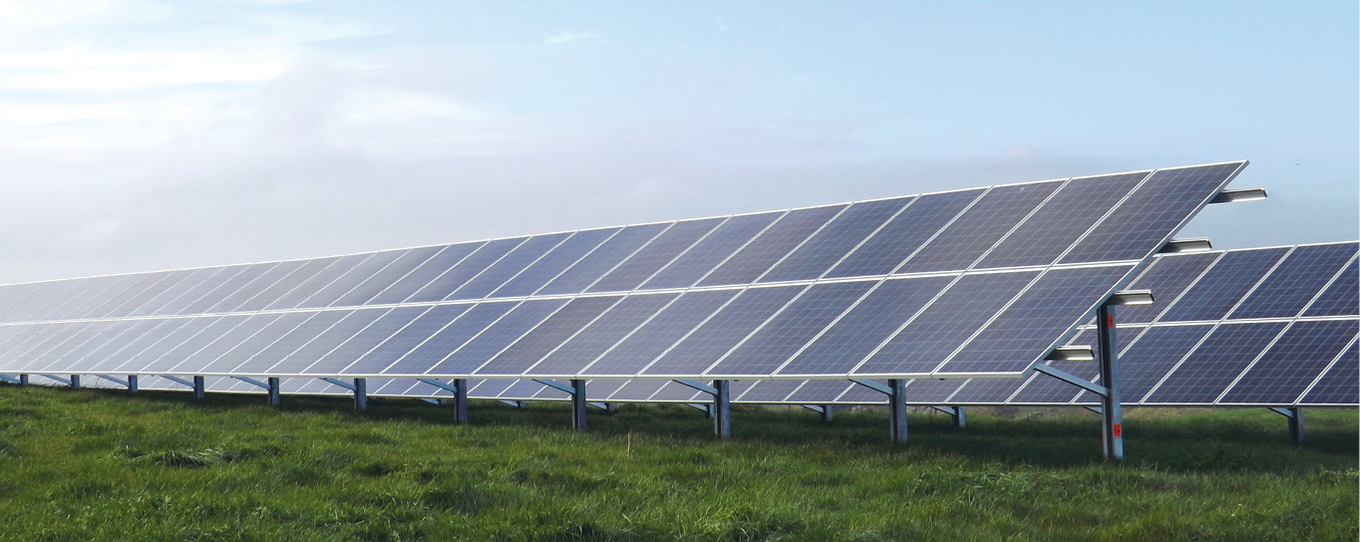
Using the sun to reduce energy costs
Farming, like any business, has a lot of fixed and variable costs that you can’t skimp on. Finding savings in the costs that you can control is crucial to improving cash flow and long-term profitability. Energy is one of these costs.
Over the past few years, solar solutions have become an increasingly viable option for farmers, with lower cost of ownership and advances in technology creating increases in generation efficiencies and storage options.
According to Henry Cassin from the Mercury Solar team, the key to achieving the greatest energy efficiencies is to ensure that you maximise self-consumption on the energy that your system generates. He explains that farmers purchase electricity at more than the buy-back rate offered by electricity retailers of approximately eight cents per kWh. Therefore, increasing self-consumption and reducing export to the grid improves the ROI on any solar system.
Factors that influence system efficiencies include the geographic location of the farm, where the system is installed on the farm, the direction and pitch of the roof (in the case of roof mounted solutions) and ensuring that there is no shading that will impact on the output of the system. In most farming cases though, ground mounted systems are used on unproductive land which negates many of the challenges that roof mounted systems face, such as quality and lifespan of the roof, pitch and direction of the roof and shading.
Cassin points to numerous examples where farmers have reduced their electricity costs by over 20 percent and by simply re-investing their electricity savings into a solar system have managed to pay back their solar systems in well under ten years. Given that most reputable systems have a 25 to 30 year guarantee, in most cases this equates to massive savings over the lifetime of the asset.
Whilst independent tax advice should always be sought by farmers, solar panels are able to be depreciated at 16 percent diminishing value and battery storage at 67 percent diminishing value, contributing to a reduction in the overall cost of ownership.
One of the common misconceptions is that the daily farm working arrangements are impacted during the installation process. According to Cassin, any reputable installer will liaise with the farmer to ensure that there is minimal impact on farming operations. He states that a typical roof mounted farm install takes three to five working days whilst a ground mounted solution may take up to ten days.
“Every farm is different due to location, usage patterns and other factors, so receiving a customised quote for your needs is the best way to assess the solar options for your farm” adds Cassin.
Supplied by Mercury
Related News
Video or image
Final Five in the Young Horticulturist of the Year 2024 Competition
The stakes are high for the five finalists in the Young Horticulturist of the Year awards, who met last week for an orientation day in the lead-up to the finals. The competition aims to encourage young people in horticulture to develop their skills and knowledge further and build connections with...
Video or image

PGG Wrightson joins A Lighter Touch crop protection change
PGG Wrightson (PGW) is partnering with A Lighter Touch to support growers in moving to more sustainable crop protection programmes. A Lighter Touch is a $27 million industry and government partnership which is co-funded by the Ministry for Primary Industries, 15 product group partners and three crop...
Video or image

PGG Wrightson Livestock Country TV Livestock Update 29 March 2021
Mark Leishman catches up with Hamish Black at the South Island Fieldays, Kirwee.
Video or image
Final Five in the Young Horticulturist of the Year 2024 Competition
The stakes are high for the five finalists in the Young Horticulturist of the Year awards, who met last week for an orientation day in the lead-up to the finals. The competition aims to encourage young people in horticulture to develop their skills and knowledge further and build connections with...
Video or image
PGG Wrightson joins A Lighter Touch crop protection change
PGG Wrightson (PGW) is partnering with A Lighter Touch to support growers in moving to more sustainable crop protection programmes. A Lighter Touch is a $27 million industry and government partnership which is co-funded by the Ministry for Primary Industries, 15 product group partners and three crop...
Video or image
PGG Wrightson Livestock Country TV Livestock Update 29 March 2021
Mark Leishman catches up with Hamish Black at the South Island Fieldays, Kirwee.