
Video or image
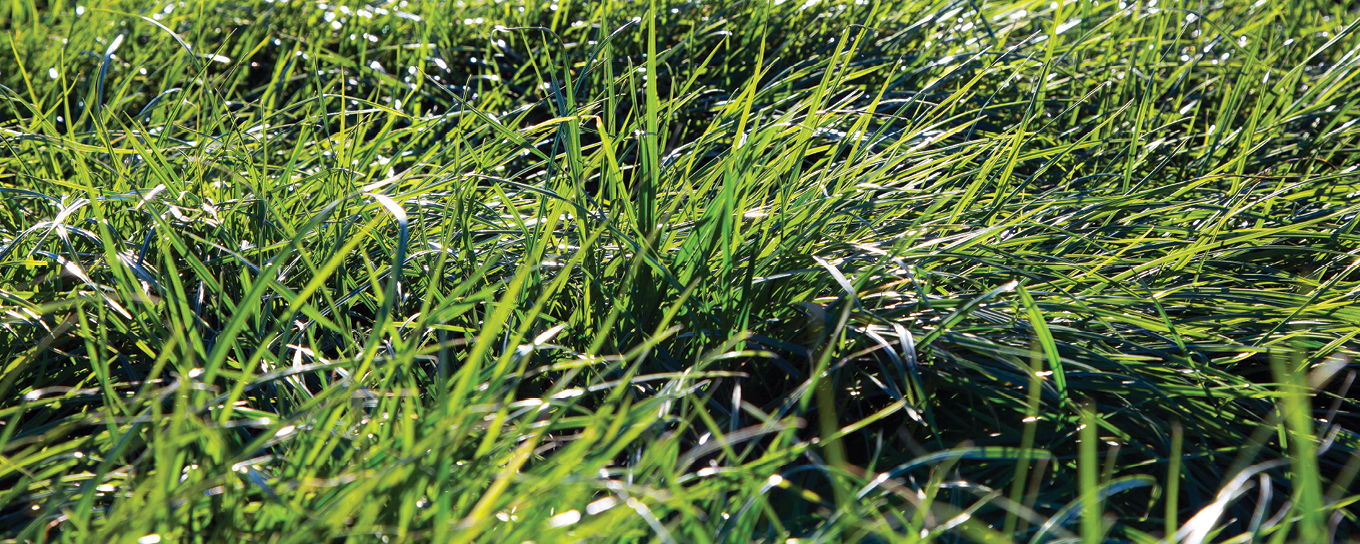
Stimulate growth with nitrogen
Applying nitrogen fertiliser in a liquid form is a convenient way of applying nitrogen to crops or pastures.
Liquid N
Liquid N is suitable for a wide range of farm types, including pastoral, arable and horticultural systems. Liquid N is a solution, not a suspension, which means that the nitrogen component is fully dissolved in the water and there is no particulate matter to clog nozzles or sprayers during application.
Liquid fertiliser is an important ‘tool’ that allows farmers to apply significant amounts of nitrogen and other important elements strategically within a growing season. Understanding the fertiliser formulations and their relative strengths and weaknesses enables farmers to utilise the products available to them to maximise productivity. Knowledge of available application methods and ideal environmental conditions for uptake also enables the best chance of success with Liquid N products.
Liquid fertilisers are widely used throughout the world, with nitrogen being the most commonly applied major nutrient in liquid form. Liquid N can be used in various scenarios:
- As a post-grazing nitrogen source to boost pasture growth.
- To build your feed wedge.
Apply to high-value pastures to grow more dry matter to ensure sufficient feed is available both before and after lambing and calving. Apply to pastures that are being shut up for conserved feed. Use as a multi-nutrient foliar option for crops that need an application of nitrogen, with other nutrients to stimulate growth and drive yield. Use as a foliar feed on grain crops to promote late nitrogen uptake and to increase grain protein levels.
A wide range of other products, fertilisers and fungicides can be mixed with Liquid N and applied at the same time. It is really important to seek advice about their compatibility before mixing any products.
Gibberellic acid
Liquid N can be applied with gibberellic acid. Gibberellins are plant hormones that activate dormant enzyme systems. Applied to pasture, they can stimulate out-of-season growth or accelerate growth through reserve mobilisation, leaf and stem elongation, and promotion of flowering.
Gibberellic acid can be used as a potential pasture production stimulant, and is applied to increase winter and spring pasture production or to manipulate seasonality of production. Decisions on gibberellin use should be based on understanding the physiological action of gibberellins. The most useful time to apply gibberellic acid is in late winter (immediate mobilisation of stored reserves) and spring (acceleration of stem and leaf elongation growth and therefore increased herbage availability to animals). Be aware that in some species, such as chicory, the acid may cause premature flowering or other unwanted side effects.
Gibberellins have the potential to decrease tillering above ground and root production below ground. To amend these negative effects, gibberellin application should be restricted to pastures where prior management has resulted in adequate energy reserves and good mineral nutrition status and by applying nitrogen fertiliser with gibberellic acid to assist in amending side effects. To minimise stress on pastures and to avoid negative effects, the lower the rate of application, the better.
For more information on liquid N supplementation, contact your local PGG Wrightson Technical Field Representative.
Related News
Video or image

Final Five in the Young Horticulturist of the Year 2024 Competition
The stakes are high for the five finalists in the Young Horticulturist of the Year awards, who met last week for an orientation day in the lead-up to the finals. The competition aims to encourage young people in horticulture to develop their skills and knowledge further and build connections with...
Video or image
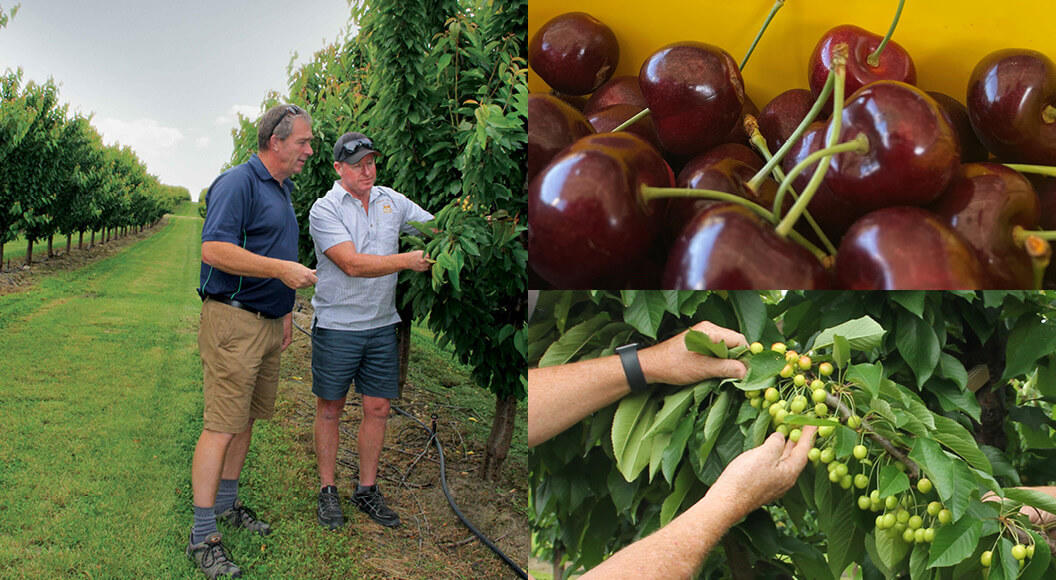
3 Kings Cherries Reigns Supreme
Pictured: Fruitfed Supplies Technical Horticultural Representative, Blair Deaker, assesses potential fruit drop in the cherries with Tim Paulin, Managing Director of 3 Kings Cherries near Dunstan, Central Otago. The 'Three Kings' rock formations sit on the mountains above the Clutha River and...
Video or image
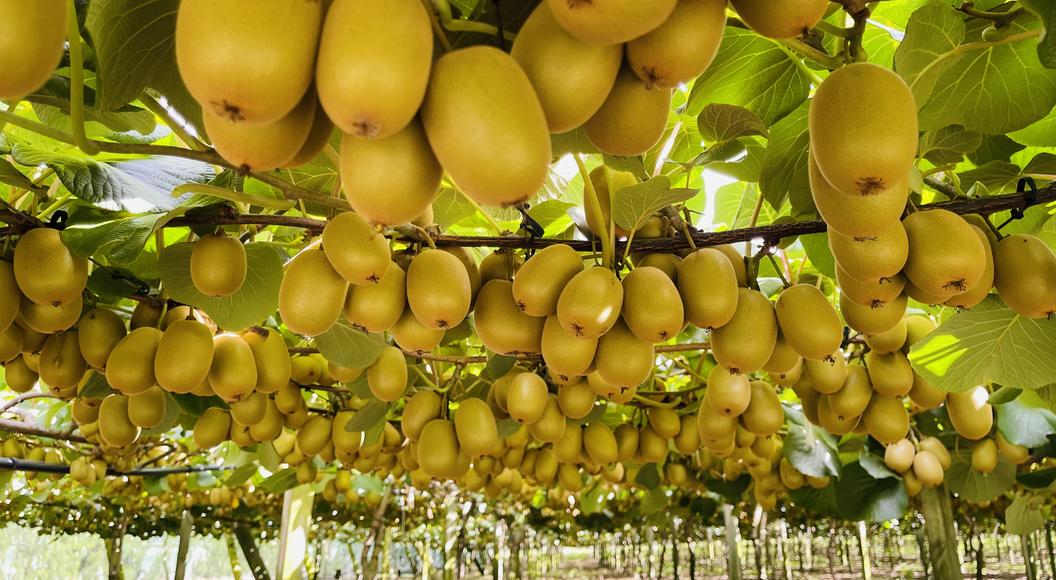
Premium Bay of Plenty kiwifruit listings could exceed $100 million
Several desirable Bay of Plenty kiwifruit properties have listed for sale recently and are set to change hands for a combined value that could exceed $100 million. Stan Robb and Dave McLaren of PGG Wrightson Real Estate, Te Puke have listed 10 orchards between them this month. Comprising some 67...
Video or image
Final Five in the Young Horticulturist of the Year 2024 Competition
The stakes are high for the five finalists in the Young Horticulturist of the Year awards, who met last week for an orientation day in the lead-up to the finals. The competition aims to encourage young people in horticulture to develop their skills and knowledge further and build connections with...
Video or image
3 Kings Cherries Reigns Supreme
Pictured: Fruitfed Supplies Technical Horticultural Representative, Blair Deaker, assesses potential fruit drop in the cherries with Tim Paulin, Managing Director of 3 Kings Cherries near Dunstan, Central Otago. The 'Three Kings' rock formations sit on the mountains above the Clutha River and...
Video or image
Premium Bay of Plenty kiwifruit listings could exceed $100 million
Several desirable Bay of Plenty kiwifruit properties have listed for sale recently and are set to change hands for a combined value that could exceed $100 million. Stan Robb and Dave McLaren of PGG Wrightson Real Estate, Te Puke have listed 10 orchards between them this month. Comprising some 67...