
Video or image
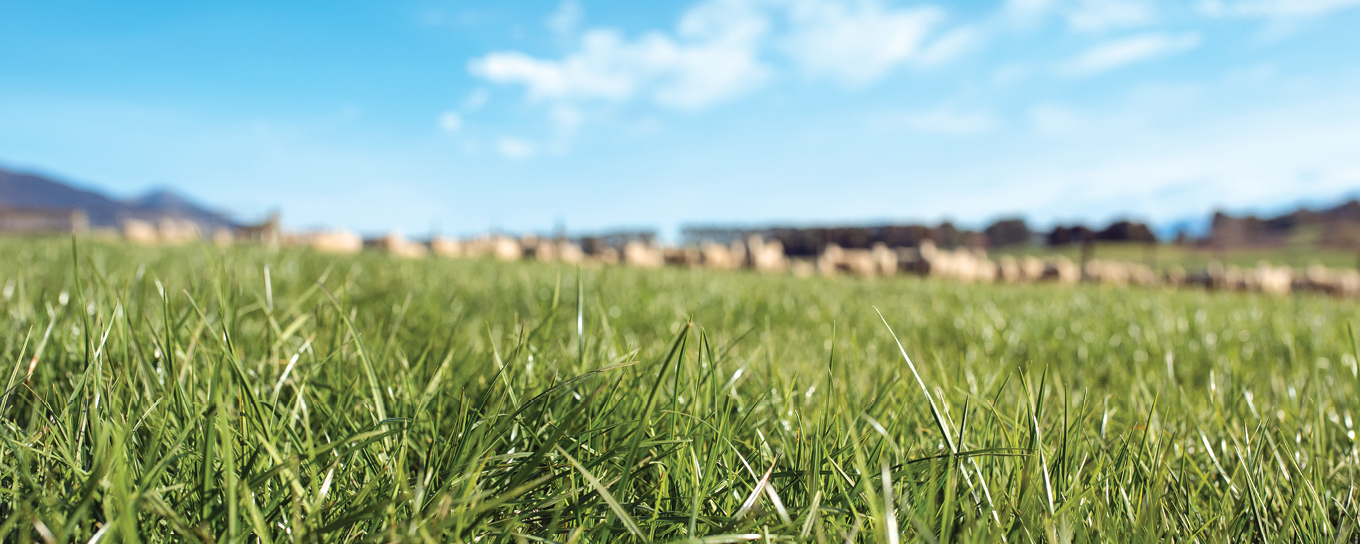
Spring pasture checklist
New pastures are an opportunity to lift farm production and match pasture growth to the stock class you are producing. Taking time to do it well pays off in the long-term.
Here are some key things to focus on:
- The spray-out
Good soil moisture is key to strike seed and get any pasture off to a great start. Consider spraying out early if you don’t need the feed to conserve soil moisture for when you drill. Check for existing insect pest populations and take this opportunity to deal with them. - Seedbed preparation
Seedbed preparation is about creating an environment for the seed to germinate but also fixing any underlying problems such as compaction and perennial weeds. In drier climates, use cultivation techniques such as not leaving the furrow up to conserve soil moisture. In wetter areas you can do the opposite. - Drilling
When drilling the seed, use a sowing rate which gives the result you’re after. Seed requires moisture to germinate so ensure a consolidated seedbed. Keep a wary eye on the weather and use it to your advantage. To ensure good establishment, deal to pests like slugs and springtails around drilling time. Direct drilling is more prone to slugs due to lack of soil working, so drilling with slug bait is a good idea. - Establishment of pasture plants
Continue to keep a close eye out for any damage from pests such as slugs. Often damage to small plants is difficult to detect and a spray may be needed to prevent plant loss during this early phase of establishment. - Maximise yield
After the crop is in the ground, remember weeds will emerge and compete with the pasture plants. Small weeds are easier to control than larger weeds so the early weed spray often gives a better result and easily pays for itself in extra production.
New pasture establishment requires planning and careful execution for a good result, so if you want to discuss your plan further or get advice on any aspect of pasture establishment, contact your local PGG Wrightson representative.
Watch out for weeds
Weeds can change the way your farm operates. A new weed can spread over time and compete with valuable grazing plants and in some cases get caught in wool and even meat.
Here are some ways to keep your farm clean:
- Control weeds around stock yards, this is a source of seeds which are then spread around the farm.
- If buying in feed, check it for unwanted contaminants. If possible, only feed out in specific areas which you can monitor, then keep an eye out for anything out of the usual.
- If you see an unusual plant in your paddock, identify it and remove it before it seeds. Weeds can produce large numbers of seed, so removing or controlling when there are a small number of plants can prevent a lot of trouble in later years.
Related News
Video or image

PGG Wrightson joins A Lighter Touch crop protection change
PGG Wrightson (PGW) is partnering with A Lighter Touch to support growers in moving to more sustainable crop protection programmes. A Lighter Touch is a $27 million industry and government partnership which is co-funded by the Ministry for Primary Industries, 15 product group partners and three crop...
Video or image
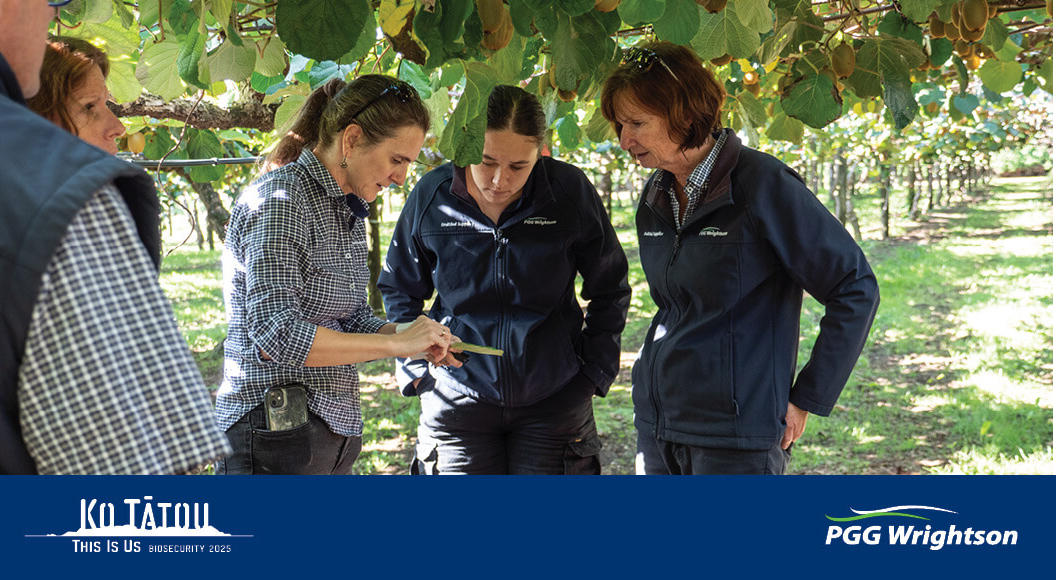
PGG Wrightson signs Biosecurity Pledge
Aotearoa New Zealand sits in a unique position being an isolated island nation which has historically protected it from a number of pests and diseases found elsewhere, but the high volume of trade and tourism increases the risk of them getting across the border. Biosecurity is a major risk to...
Video or image

Sheffield Primary receives boost from Cash for Communities Programme
Raising funds to provide Kiwi kids with additional resources and equipment to enjoy while at school takes considerable time and effort in fundraising. For Sheffield Primary School in Mid Canterbury, the Cash for Communities programme delivered a win recently with the school being donated $333. Nigel...
Video or image
PGG Wrightson joins A Lighter Touch crop protection change
PGG Wrightson (PGW) is partnering with A Lighter Touch to support growers in moving to more sustainable crop protection programmes. A Lighter Touch is a $27 million industry and government partnership which is co-funded by the Ministry for Primary Industries, 15 product group partners and three crop...
Video or image
PGG Wrightson signs Biosecurity Pledge
Aotearoa New Zealand sits in a unique position being an isolated island nation which has historically protected it from a number of pests and diseases found elsewhere, but the high volume of trade and tourism increases the risk of them getting across the border. Biosecurity is a major risk to...
Video or image
Sheffield Primary receives boost from Cash for Communities Programme
Raising funds to provide Kiwi kids with additional resources and equipment to enjoy while at school takes considerable time and effort in fundraising. For Sheffield Primary School in Mid Canterbury, the Cash for Communities programme delivered a win recently with the school being donated $333. Nigel...