
Video or image
Research team discovers ‘weed’ has valuable nitrogen mitigation properties
Agricom (a trading division of PGG Wrightson Seeds Limited) researches, develops and markets a wide range of proprietary pasture and forage crop seeds to the agricultural industry.
The proprietary seed company takes a team approach to research involving employees, customers and key industry stakeholders. This collaborative approach has recently discovered that a plant, once considered a weed, has valuable nitrogen mitigation properties.
The research team discovered that specific cultivars of plantain have the ability to significantly reduce nitrogen leaching from the urine patch. The plantain which began life as a common flat weed (Plantago lanceloata) has been bred and commercialised into a successful forage cultivar by the Agricom team. Commencing in 2015, with Callaghan Innovation funding, Agricom developed the Greener Pastures Project (GPP), which combines research and expertise from Massey and Lincoln Universities and Plant & Food Research. In parallel with the DairyNZ-led Forages for Reduced Nitrate Leaching programme, the GPP has a series of peer-reviewed scientific papers that support the use of Ecotain® environmental plantain.
Agricom’s Science Lead Dr Glenn Judson said, “The development of Ecotain® has been a team effort over a long period of time so everyone involved is delighted with how well it has been received by industry stakeholders and farmers alike. New Zealand farmers have been using plantain as a forage product for many years. The first of the plantain cultivars we launched to the market 22 years ago. However, more recently we discovered their role in reducing the environmental impact of livestock. Depending on the factors at play on farm and the extent to which Ecotain® is used, the reduction in nitrogen leaching can be significant. In one of the research programmes there was a reduction in leaching of as much as 89 percent from the urine patch. The ability to do this is increasingly important now that New Zealand’s national dairy herd has reached over 4.8 million and there is a real focus on environmentally sustainable farming practices.
“A cow grazes across a large area of pasture, about 140 square metres per day. When they urinate, they’re depositing a high concentration of nitrogen into a very small area compared to the size they were grazing, and that small area is the urine patch. The plants and soil surrounding the urine patch can’t absorb all that nitrogen, so it’s easily leached away below the root zone and also into the water table. Research is showing us that controlling the nitrogen in the urine patch is the most practical way of reducing nitrogen leaching on farm.
Glenn concluded, “We are not done yet. The research will continue to evolve, and we are now looking at system-wide studies to see how we can further reduce nitrogen leaching on farm. With the assistance of farmers and industry stakeholders I am confident we can improve the strong results we are achieving now.”
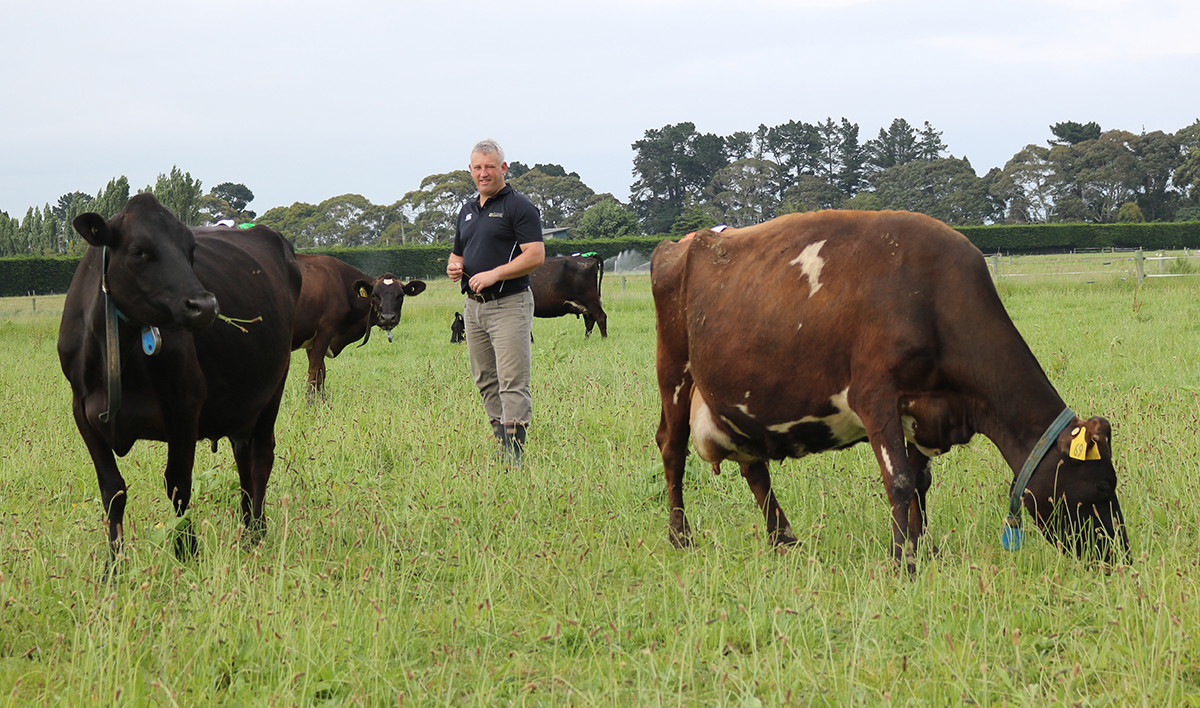
Pictured: Science Lead for the Greener Pastures Project within Agricom, Dr Glenn Judson inspects Ecotain® pasture on a farm in Lincoln, Canterbury in November 2017.
Related News
Video or image
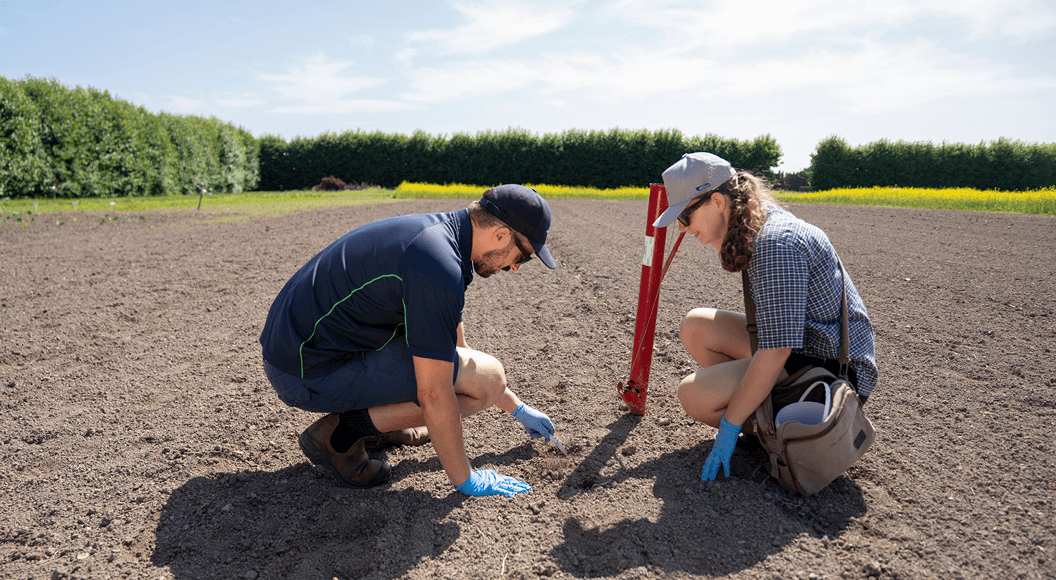
Hastings Research Station – A platform for innovation
PGW's commitment to helping New Zealand farmers and growers succeed took a significant step forward during FY26 with the establishment of the dedicated Hastings Research Station, Hawke’s Bay. On 1 September 2025, PGW assumed the lease of the Geelen Family Trust Research Station, a 2.8-hectare...
Video or image
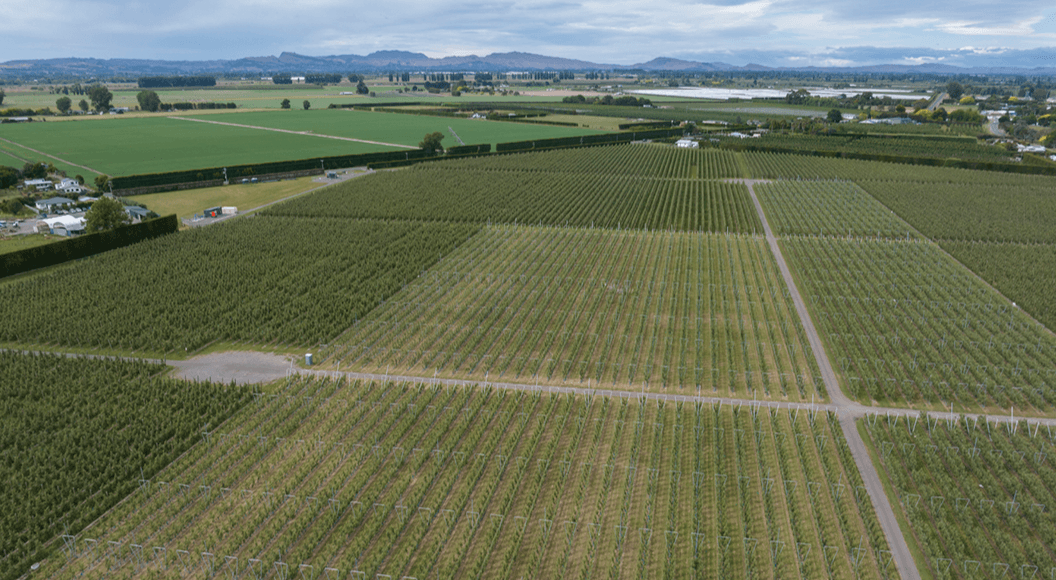
FarmRight: Growing scale, capability, and partnership
FarmRight was established in 2000 to fill a service gap in the dairy sector and expanded into viticulture and horticulture in 2017. Today, FarmRight’s pipfruit portfolio spans multiple regions, with nearly 530 hectares of orchards either in production or development. A key part of this growth is...
Video or image
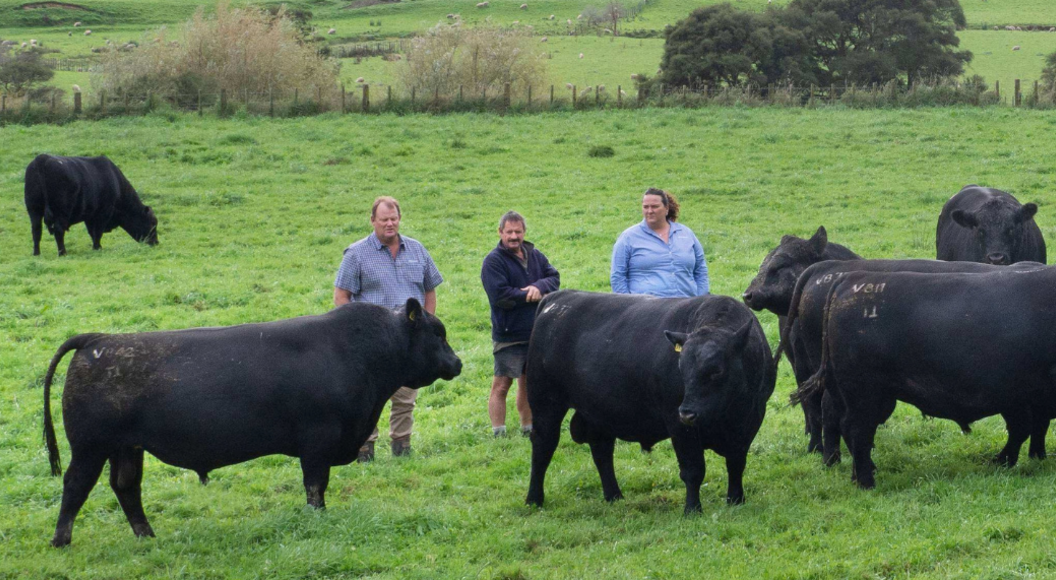
Tangihau Station – Breeding Resilience on the East Coast
Set in steep hill country inland from Gisborne, Tangihau Station is defined by scale, terrain, and climatic extremes. The property spans more than 6,600 hectares of medium to steep East Coast hill country, with only 70 hectares of flat land. Tangihau runs approximately 1,300 commercial breeding cows...
Video or image
Hastings Research Station – A platform for innovation
PGW's commitment to helping New Zealand farmers and growers succeed took a significant step forward during FY26 with the establishment of the dedicated Hastings Research Station, Hawke’s Bay. On 1 September 2025, PGW assumed the lease of the Geelen Family Trust Research Station, a 2.8-hectare...
Video or image
FarmRight: Growing scale, capability, and partnership
FarmRight was established in 2000 to fill a service gap in the dairy sector and expanded into viticulture and horticulture in 2017. Today, FarmRight’s pipfruit portfolio spans multiple regions, with nearly 530 hectares of orchards either in production or development. A key part of this growth is...
Video or image
Tangihau Station – Breeding Resilience on the East Coast
Set in steep hill country inland from Gisborne, Tangihau Station is defined by scale, terrain, and climatic extremes. The property spans more than 6,600 hectares of medium to steep East Coast hill country, with only 70 hectares of flat land. Tangihau runs approximately 1,300 commercial breeding cows...