
Video or image
Research Powered by Collaboration: New data reveals a new tool to manage drench resistance
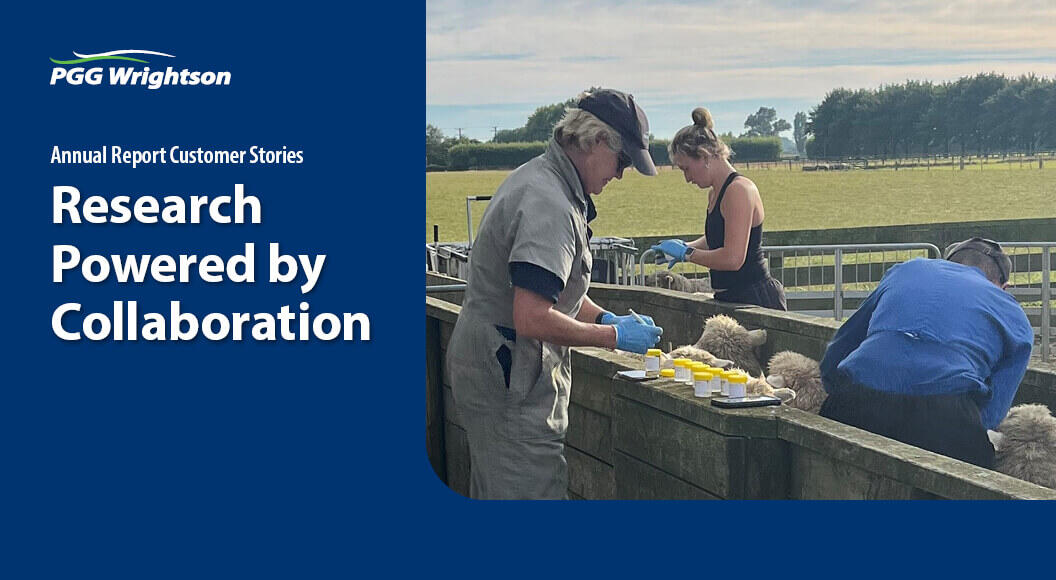
Jason Leslie, PGW Technical Expert – Animal Health (R), Charlotte Westwood Veterinary Nutritionist at PGG Wrightson Seeds (L), and Alice Hutchinson, Nutrition Technician at PGG Wrightson Seeds (C), collect faecal egg count samples from lambs at Kimihia, PGG Wrightson Seeds, near Lincoln, Canterbury.
Drench resistance and worm challenge are a growing issue for New Zealand ’s sheep and cattle industry. As there are no new drench actives on the horizon, PGW and PGG Wrightson Seeds Limited (under separate ownership) collaborated in a multi-year research trial to reduce worm burdens on-farm, and reduce drenching, resulting in slowing of drench resistance.
The results show summer forage crops can reduce parasite burdens in livestock, reducing a reliance on chemical drenches and slowing resistance development.
Supported by last year’s inaugural PGW Research & Development Internship Programme, summer intern, Meg Gordon, researched sustainable parasite management practices in livestock. Until this trial, the concept of using forage crops as a viable parasite management tool was assumed by industry, but there was limited modern New Zealand data to support this approach. The trial confirmed the benefits of summer forage crops. These highly nutritious, high protein, high energy crops grow taller and more openly than traditional pasture. The upright nature of these crops means more sunlight during the establishment phase to create an environment inhospitable to parasites, resulting in fewer parasite larvae for the young stock to ingest.
The trial, conducted across multiple sites including PGG Wrightson Seeds’ Kimihia Research Centre, satellite farms, and commercial properties throughout the North and South Islands, focused on the traditional 28-day drenching cycle. Using faecal egg counts to monitor worm reinfection over a 70-day grazing period, the team found animals grazing on summer forage crops experienced lower parasite loads compared to those on pasture. Many reached processing weight before needing another treatment, saving farmers two to three drenches per animal, reducing input costs and unnecessary yarding.
Jason Leslie (BVSc) PGW Technical Expert – Animal Health and veterinarian explains, “New Zealand’s temperate climate and moisture levels create ideal conditions for worm larvae to thrive in pasture. This is especially problematic for young stock with underdeveloped immune systems.”
Charlotte Westwood (BVSc, MANCVS, MVM, PhD) Veterinary Nutritionist at PGG Wrightson Seeds adds, “The controlled conditions at Kimihia allowed for precise monitoring, while the results on commercial farms confirmed the practical benefits of the approach. This trial highlights the importance of agronomic planning. It’s not just about planting a crop, it’s about managing it properly to keep grass and weeds out, which can harbour larvae. This is a full farm systems approach, and it’s great to see both PGW and PGG Wrightson Seeds involved in developing and supporting these technologies.”
Jason and Charlotte recommend getting your agronomist to check for weeds in the paddock so they can be cleaned out before planting. Establishment of the summer forage crop takes from six weeks to three months, depending on the particular crop. The absence of stock over this period means any larvae already present are reducing with no introduction of new parasites. Any contamination of the crop with weeds, in particular grass weeds, reduces the protection against worm reinfection.
The trial’s success gained attention during its launch at Controlling Parasites of Livestock, an industry and veterinary workshop hosted by Elanco New Zealand. It was then subsequently presented at the New Zealand Veterinary Association Conference to equal acclaim. Wormwise, New Zealand’s national worm management strategy group, has also recognised the benefits of this trial and has reiterated the benefits of grazing animals on summer forage crops.
This initiative aligns with PGW’s broader mission to support farmers with sustainable, evidence-based solutions. By promoting the use of summer forage crops, PGW is helping farmers improve productivity, reduce input costs, and protect the long-term viability of parasite control methods.
This trial underscores PGW’s role in solving industry challenges through practical, science-backed innovation. With strong data and farmer-focused implementation, summer forage crops are proving to be a fantastic tool in New Zealand’s parasite management strategy.
Related News
Video or image
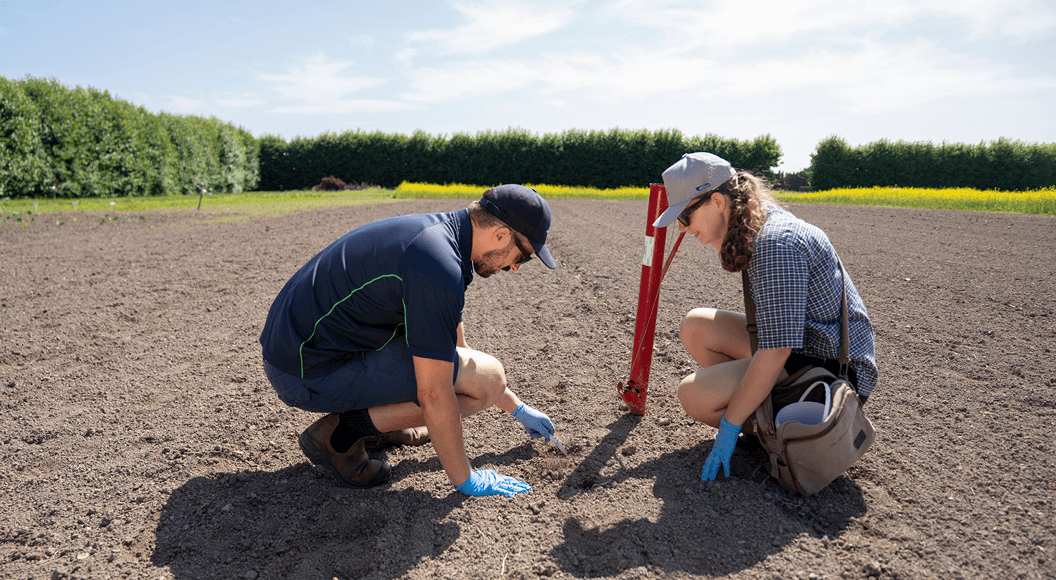
Hastings Research Station – A platform for innovation
PGW's commitment to helping New Zealand farmers and growers succeed took a significant step forward during FY26 with the establishment of the dedicated Hastings Research Station, Hawke’s Bay. On 1 September 2025, PGW assumed the lease of the Geelen Family Trust Research Station, a 2.8-hectare...
Video or image
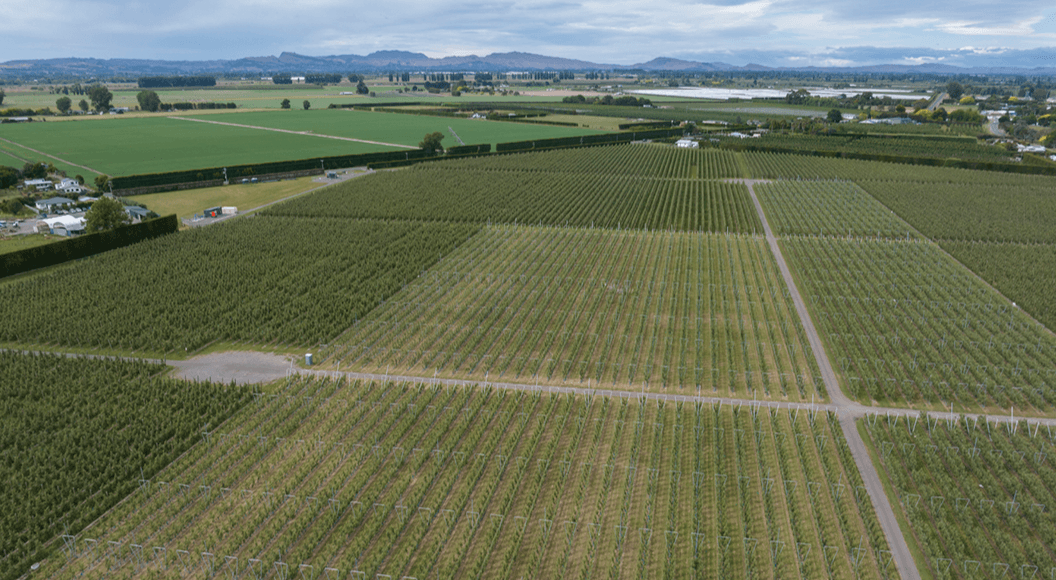
FarmRight: Growing scale, capability, and partnership
FarmRight was established in 2000 to fill a service gap in the dairy sector and expanded into viticulture and horticulture in 2017. Today, FarmRight’s pipfruit portfolio spans multiple regions, with nearly 530 hectares of orchards either in production or development. A key part of this growth is...
Video or image
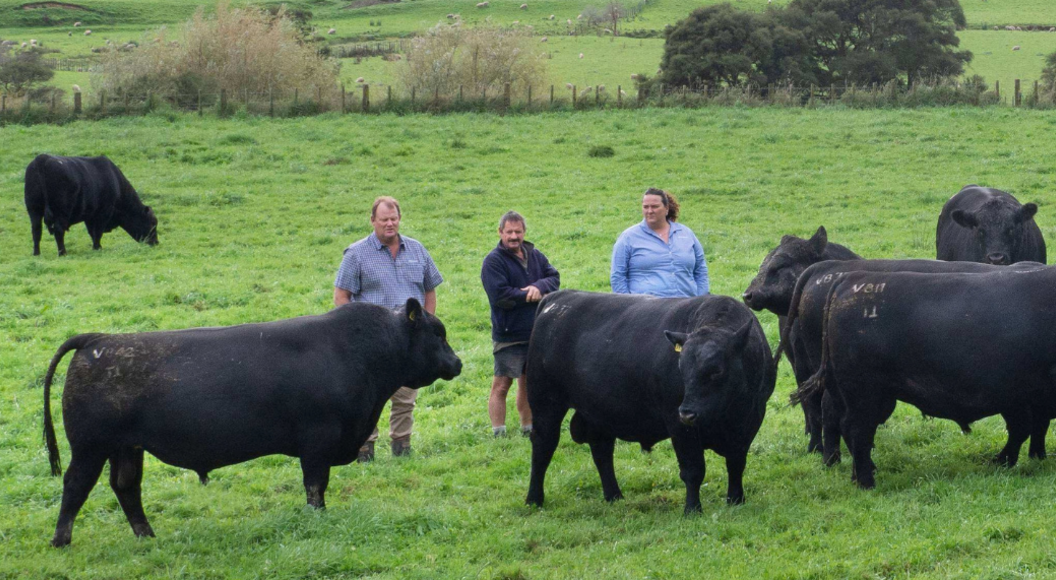
Tangihau Station – Breeding Resilience on the East Coast
Set in steep hill country inland from Gisborne, Tangihau Station is defined by scale, terrain, and climatic extremes. The property spans more than 6,600 hectares of medium to steep East Coast hill country, with only 70 hectares of flat land. Tangihau runs approximately 1,300 commercial breeding cows...
Video or image
Hastings Research Station – A platform for innovation
PGW's commitment to helping New Zealand farmers and growers succeed took a significant step forward during FY26 with the establishment of the dedicated Hastings Research Station, Hawke’s Bay. On 1 September 2025, PGW assumed the lease of the Geelen Family Trust Research Station, a 2.8-hectare...
Video or image
FarmRight: Growing scale, capability, and partnership
FarmRight was established in 2000 to fill a service gap in the dairy sector and expanded into viticulture and horticulture in 2017. Today, FarmRight’s pipfruit portfolio spans multiple regions, with nearly 530 hectares of orchards either in production or development. A key part of this growth is...
Video or image
Tangihau Station – Breeding Resilience on the East Coast
Set in steep hill country inland from Gisborne, Tangihau Station is defined by scale, terrain, and climatic extremes. The property spans more than 6,600 hectares of medium to steep East Coast hill country, with only 70 hectares of flat land. Tangihau runs approximately 1,300 commercial breeding cows...