
Video or image
Potato Tech Tips
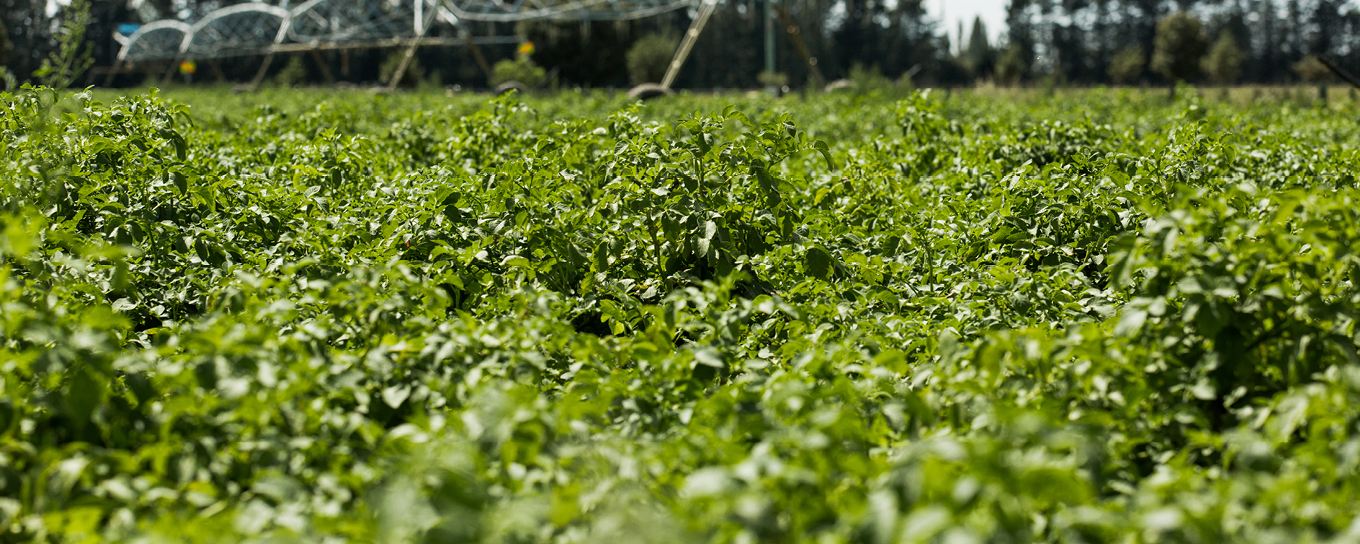
Planting is really the only time in the crop cycle that steps can be taken to reduce incidence and severity of soil-borne diseases. Of course, the timing of planting of various seasonal crops will depend on where you are in the country. There are a number of these diseases that can significantly limit potato yields and quality, including black scurf/canker (Rhizoctonia solani), silver scurf (Helminthosporium solani), powdery scab (Spongospora subterranean) and common scab (Streptomyces scabies).
Potato seed dressing and in-furrow applied treatments can help limit the impact of these diseases. Knowing the disease spectrum present in both the soil and on the seed, means informed decisions can be made around product selection.
In Fruitfed Supplies trials, the best results for controlling black scurf have been seen with a combination of products such as Amistar SC and Monceren DS. In addition to chemical control, other measures such as crop rotation and bio-fumigation can help reduce disease populations; also maintaining an acidic pH will help control scab. Seed and variety selection need to be considered prior to planting. Variety selection will determine not only the end use of the potato, but different varieties have varying levels of resistance/susceptibility to potato pests and diseases. For example, Moonlight is very resistantto powdery scab while Agria is very susceptible. Certified seed should be used as the certification process helps to ensure the best possible seed, that it is true to type and is disease and virus-free.There are numerous nutritional factors to consider when planting a potato crop; many that are specific to your region and the individual paddock.
Some general nutritional considerations for potatoes are:
- Make sure soil tests are conducted so that a detailed fertiliser plan can be created for the crop.
- Nitrogen and potassium are important early on for crop growth. Potassium later in the crop can help improve dry matter of tubers.
- Potatoes do not have a high requirement for phosphorous, but it is critical to have available at tuber initiation.
- Trace elements such as calcium and boron are important for skin quality and overall tuber quality including shelf life and storage. They also help in reducing internal tuber disorders.
- Other trace elements such as zinc and manganese will help with improving skin finish.
For more information on potato requirements at planting, please speak to your local Fruitfed Supplies Technical Horticultural Representative.
Related News
Video or image

Final Five in the Young Horticulturist of the Year 2024 Competition
The stakes are high for the five finalists in the Young Horticulturist of the Year awards, who met last week for an orientation day in the lead-up to the finals. The competition aims to encourage young people in horticulture to develop their skills and knowledge further and build connections with...
Video or image
3 Kings Cherries Reigns Supreme
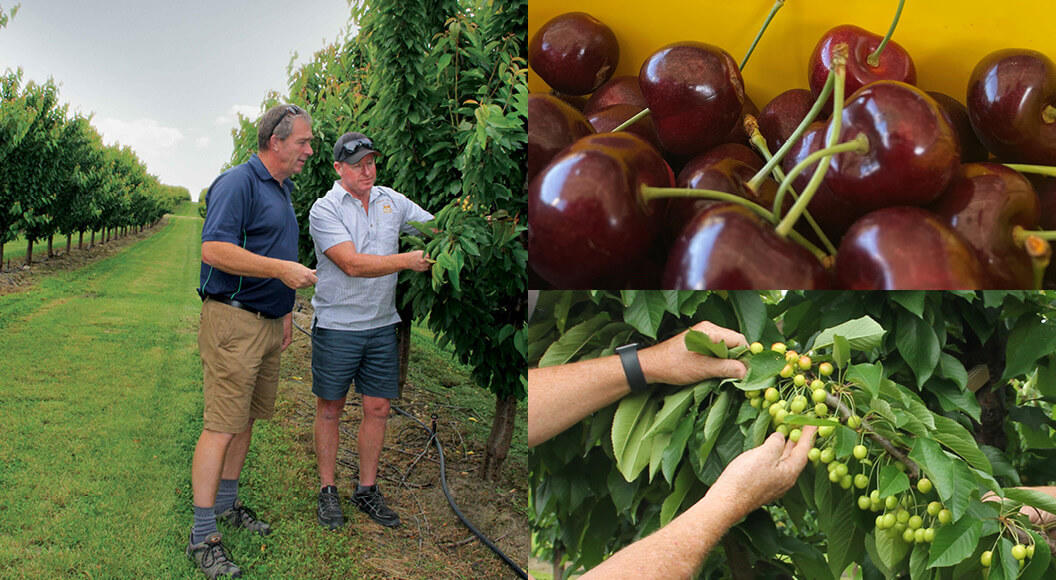
Pictured: Fruitfed Supplies Technical Horticultural Representative, Blair Deaker, assesses potential fruit drop in the cherries with Tim Paulin, Managing Director of 3 Kings Cherries near Dunstan, Central Otago. The 'Three Kings' rock formations sit on the mountains above the Clutha River and...
Video or image
Premium Bay of Plenty kiwifruit listings could exceed $100 million
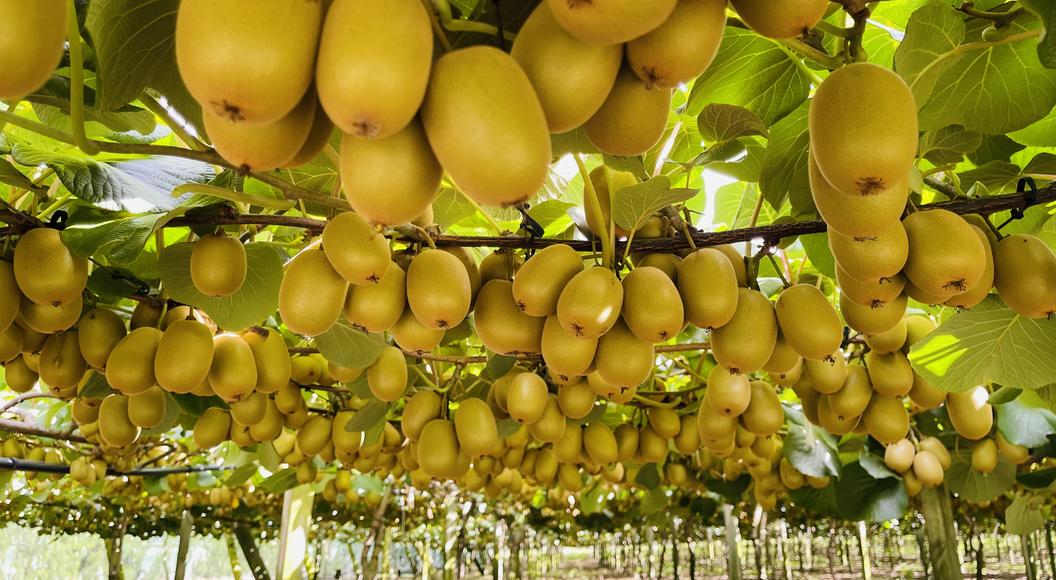
Several desirable Bay of Plenty kiwifruit properties have listed for sale recently and are set to change hands for a combined value that could exceed $100 million. Stan Robb and Dave McLaren of PGG Wrightson Real Estate, Te Puke have listed 10 orchards between them this month. Comprising some 67...
Video or image
Final Five in the Young Horticulturist of the Year 2024 Competition
The stakes are high for the five finalists in the Young Horticulturist of the Year awards, who met last week for an orientation day in the lead-up to the finals. The competition aims to encourage young people in horticulture to develop their skills and knowledge further and build connections with...
Video or image
3 Kings Cherries Reigns Supreme
Pictured: Fruitfed Supplies Technical Horticultural Representative, Blair Deaker, assesses potential fruit drop in the cherries with Tim Paulin, Managing Director of 3 Kings Cherries near Dunstan, Central Otago. The 'Three Kings' rock formations sit on the mountains above the Clutha River and...
Video or image
Premium Bay of Plenty kiwifruit listings could exceed $100 million
Several desirable Bay of Plenty kiwifruit properties have listed for sale recently and are set to change hands for a combined value that could exceed $100 million. Stan Robb and Dave McLaren of PGG Wrightson Real Estate, Te Puke have listed 10 orchards between them this month. Comprising some 67...