
Video or image
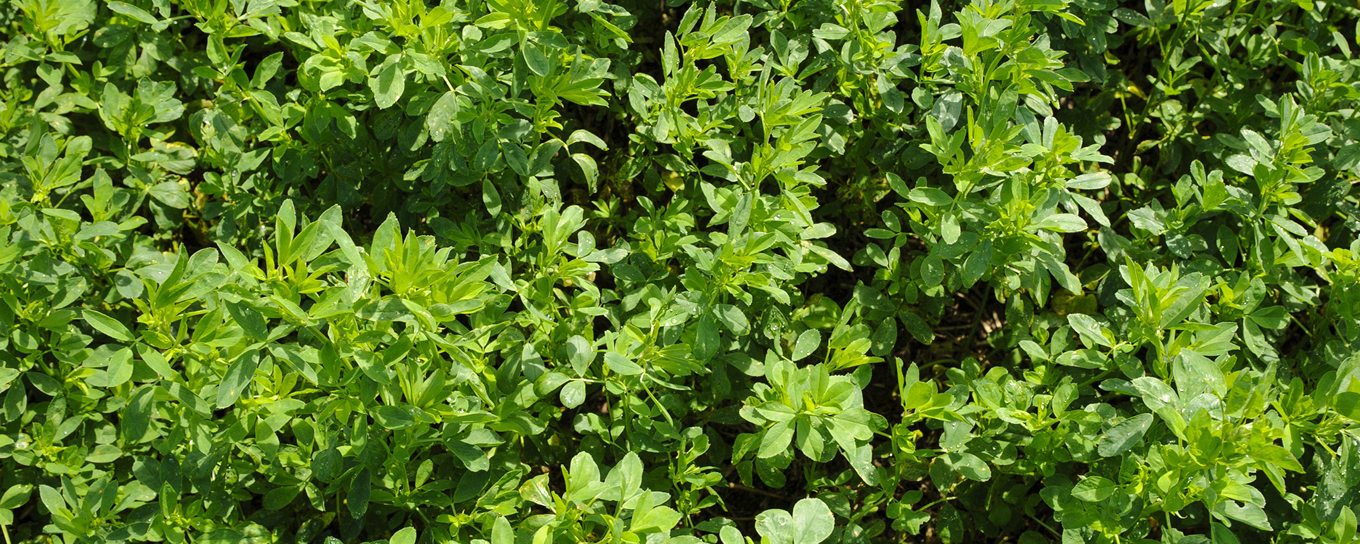
Nutrient options for lucerne
Lucerne is a brilliant legume crop that continues to provide a high protein dry matter source during periods of dry weather. The deep rooted plant has the ability to source water from the soil profile at times when perennial ryegrass pastures are struggling with lack of soil moisture.
Before planting select a free draining, weed free site with a pH over 6.2; a high pH will aid molybdenum availability. Take a soil test in autumn, prior to planting in spring, this will indicate whether the pH is suitable to achieve maximum production from your lucerne crop and will also provide the information needed to make accurate fertiliser recommendations for the specific nutrient needs of your paddock. A 150 mm soil sample depth should be used to represent the deeper rooting structure of this plant.
High soil fertility promotes a quick establishment and early growth and will also help to increase the lucerne stands tolerance to insect and disease pressures. Adequate soil fertility is a huge driver for increasing the crop yield and crop quality and will improve the stands longevity and persistence.
After applying lime, it can take 6 to 12 months for the maximum pH increase to be reached. Applying lime regularly to lucerne increases the chances of Rhizobia bacteria survival and in turn effective root inoculation and nitrogen fixation. Phosphorus, potassium and molybdenum have a higher availability at neutral pH levels (6.2 or more). At a low pH of 5.5 and below; aluminium, iron and manganese become more available in toxic amounts to the lucerne plant.
Rhizobia, a nitrogen-fixing bacteria, has a symbiotic and mutually beneficial relationship with the lucerne plant. The plant provides carbohydrates as an energy source for the bacteria and the bacteria convert atmospheric nitrogen into a form the plant can use. The young lucerne seedling relies partly on soil nitrogen until the Rhizobia become established and active. In paddocks where soil nitrogen levels are low a small amount of nitrogen at planting may improve early growth; 20 to 40 kg per ha N.
Phosphorous is critical for seed germination, so drilling lucerne seed with fertiliser is ideal. Also apply phosphorus in the base fertiliser application prior to drilling to build Olsen P levels.
Potassium is the most important nutrient for lucerne production. The lucerne plants demand for potassium increases rapidly with plant growth. Lucerne is a surface feeder of nutrients and absorbs most of its potassium requirement from the top 150 mm to 200 mm of the soil.
Lucerne requires several micronutrients for growth. Under drought stress conditions Boron (B) is the micronutrient most likely to limit yields and a B deficiency is more likely to appear on light sandy soils or silts during dry weather. Molybdenum is needed for nitrogen fixation by Rhizobium bacteria on the plant roots and in the synthesis of protein.
For a high producing lucerne stand; the fertiliser rule of thumb is to top-dress after the first cut in spring and again after every second cut. The best time to apply fertiliser is directly after harvest to avoid burning the regrowth. Maintenance fertiliser depends on the soil test and herbage analysis; make sure the herbage test is taken from the early spring growth. Plant tissue herbage analysis can determine the nutrient levels of your crop before any visual deficiency symptoms appear. Herbage testing can be used as a companion with soil testing to monitor nutrient levels.
For more information on the nutrient requirements of your lucerne crop, contact your local PGG Wrightson Technical Field Representative.
Some information taken from Beef + Lamb New Zealand Lucerne Guide and Pioneer Lucerne Manual 2018.
Related News
Video or image

PGG Wrightson joins A Lighter Touch crop protection change
PGG Wrightson (PGW) is partnering with A Lighter Touch to support growers in moving to more sustainable crop protection programmes. A Lighter Touch is a $27 million industry and government partnership which is co-funded by the Ministry for Primary Industries, 15 product group partners and three crop...
Video or image
PGG Wrightson signs Biosecurity Pledge
Aotearoa New Zealand sits in a unique position being an isolated island nation which has historically protected it from a number of pests and diseases found elsewhere, but the high volume of trade and tourism increases the risk of them getting across the border. Biosecurity is a major risk to...
Video or image

Sheffield Primary receives boost from Cash for Communities Programme
Raising funds to provide Kiwi kids with additional resources and equipment to enjoy while at school takes considerable time and effort in fundraising. For Sheffield Primary School in Mid Canterbury, the Cash for Communities programme delivered a win recently with the school being donated $333. Nigel...
Video or image
PGG Wrightson joins A Lighter Touch crop protection change
PGG Wrightson (PGW) is partnering with A Lighter Touch to support growers in moving to more sustainable crop protection programmes. A Lighter Touch is a $27 million industry and government partnership which is co-funded by the Ministry for Primary Industries, 15 product group partners and three crop...
Video or image
PGG Wrightson signs Biosecurity Pledge
Aotearoa New Zealand sits in a unique position being an isolated island nation which has historically protected it from a number of pests and diseases found elsewhere, but the high volume of trade and tourism increases the risk of them getting across the border. Biosecurity is a major risk to...
Video or image
Sheffield Primary receives boost from Cash for Communities Programme
Raising funds to provide Kiwi kids with additional resources and equipment to enjoy while at school takes considerable time and effort in fundraising. For Sheffield Primary School in Mid Canterbury, the Cash for Communities programme delivered a win recently with the school being donated $333. Nigel...