
Video or image
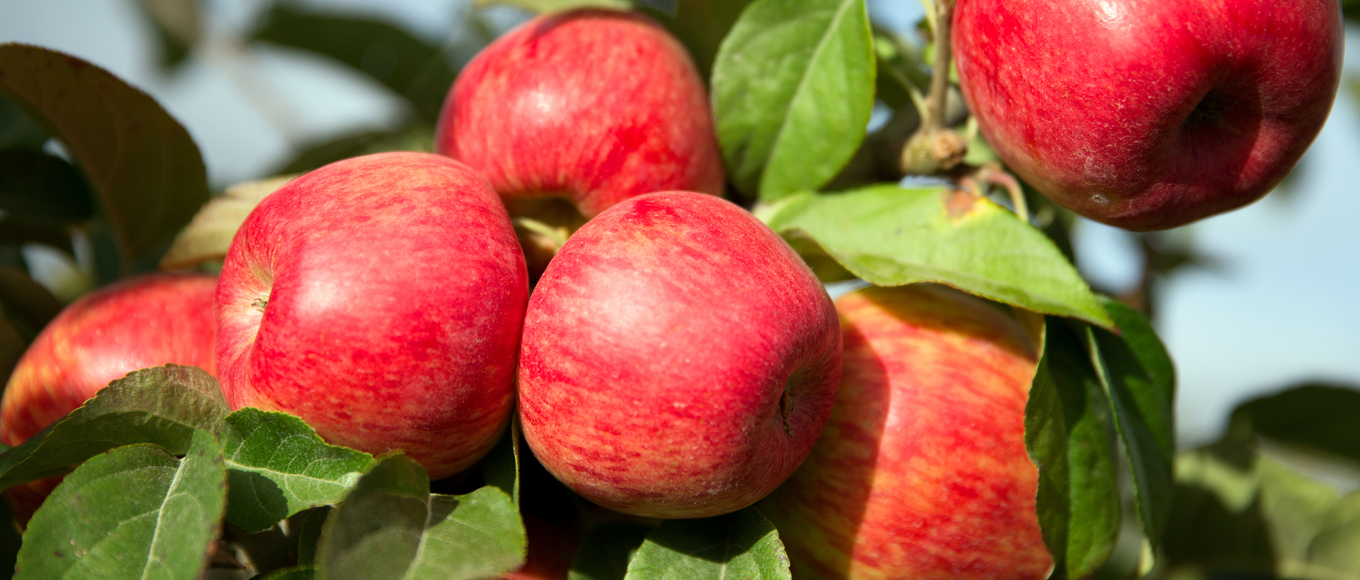
Harvest rot risks
Hawke’s Bay-based Fruitfed Supplies Technical Advisor Sean Gresham highlights the importance of maintaining good hygiene practices during the harvest of apple crops.
Last autumn we experienced unprecedented rainfall which lead to higher levels of fruit rots and infection of picking wounds by European canker in apple blocks. The abnormally wet season highlighted the vulnerabilities of orchards over the harvest period. There are very limited fungicide options close to harvest and no effective options to use between picks, which means that other preventative practices are vital to reducing post-harvest rots and infection of picking wounds if the weather turns sour. Research conducted by Plant & Food Research has been exploring aspects of the biology and control of two important pathogens that cause bull’s eye rot on fruit (Phlyctema vagabunda, previously known as Neofabraea alba) andEuropean canker (Neonectria ditissima) has provided some useful insights into best practice management for these diseases over harvest.
Recent research by Peter Wood and others from Plant & Food Research has shown that a variety of fungicides used for control of black spot also provide good efficacy of bull’s eye rot infections. However, with the exception of Captan (14-day PHI), all the options tested had long pre-harvest intervals. This means that although fruit is protected throughout the season, as harvest approaches, Captan is the only option available to growers. If extended wet weather is experienced it is likely that the protective cover will be depleted, especially if the harvest period is extended. Although research is being focused on potential alternative fungicides, pre-harvest application of Captan remains the only protectant option so it is important that excellent coverage is achieved with the final application.
The harvest period can pose a significant risk of infection by European canker through the picking wounds. Spore production is high during autumn. Rain releases and spreads spores which can infect picking wounds. Picking wounds are susceptible for several weeks and can become infected with as few as three spores, and thousands of spores are released from every canker. This risk has been reflected in surveys that show that in some orchards, picking wound infection can represent the majority of new canker lesions.
Anecdotal reports of growers achieving success with products containing beneficial microbes such as Bacillus subtilis motivated research by Monika Walter and others from Plant & Food Research to look at the efficacy of a variety of biological fungicides for suppression of sporulation and protection of picking wounds. Because these products havevery short or nil withholding periods, they can be applied between picks, so they potentially filled an unoccupied niche. The research work looked at the efficacy of these biological products in laboratory, glasshouse, and the field. The findings showed that there was very little or no protection of picking wounds or artificial wounds, and although highly concentrated applications suppressed spore production, hundreds of spores per lesion were still produced. Therefore, although some anecdotal evidence and initial encouragement from laboratory assays suggesting there was a potential new tool for protecting picking wounds, the evidence suggests there is negligible effect on controlling canker. Secateurs, i.e. pruning out the infections, remain the silver bullet.
Removing inoculum remains the most important key to managing European canker. A number of studies have shown that the vast majority of spores only travel a few metres and therefore infection spread is highly localised. Inoculum removal is particularly important over the harvest period, which may extend over a number of weeks, as there are no fungicide options during harvest. So getting into blocks ahead of harvest to prune out cankers before picking commences will reduce the risk of spores getting washed onto one of the picking wounds and causing a new lesion to develop.
For effective management of fruit rots and European canker, assessing disease risk is important for effective management strategies to be employed. Knowing the likely disease pressure due to inoculum load and weather conditions influences management decisions such as harvest scheduling, storage, and crop nutrition. For fruit rots, blocks that had high incidence of rots last year are likely to harbour inoculum carryover. The age and variety also play an important role, with some varieties being more susceptible than others and generally older trees having a higher likelihood compared with young trees. Bull’s eye rot, like many other fruit rots, overwinters on woody tissue so older trees with large amount of scaffold branches are more likely to harbour disease inoculum. Diseased ‘mummified’ fruit from last season are key sources of inoculum for bull’s eye rot and a number of other summer rot diseases so it’s important to remove these. Fruit picked later also appears to have a higher risk of disease through higher exposure to disease spores and greater susceptibility to disease. Therefore, early picks and young blocks are lowest risk, and late picks and old blocks with a history of post-harvest rots are high risk so should not be allocated to sensitive markets.
With European Canker the best way to know the disease risk is through monitoring and tagging hotspots. The frequency or vigilance of canker monitoring and removal has been strongly correlated with the successful reduction in European canker incidence across a number of orchards. Left unmanaged, the incidence of infection is expected to increase each year by 10 times or more but with regular monitoring and removal and solid programme of protective fungicides at critical times, the incidence can be diminished at a similar rate. Orchards previously badly affected in Nelson have shown impressive improvement in recent years which provides hope that European canker can be successfully managed.

Related News
Video or image

Final Five in the Young Horticulturist of the Year 2024 Competition
The stakes are high for the five finalists in the Young Horticulturist of the Year awards, who met last week for an orientation day in the lead-up to the finals. The competition aims to encourage young people in horticulture to develop their skills and knowledge further and build connections with...
Video or image
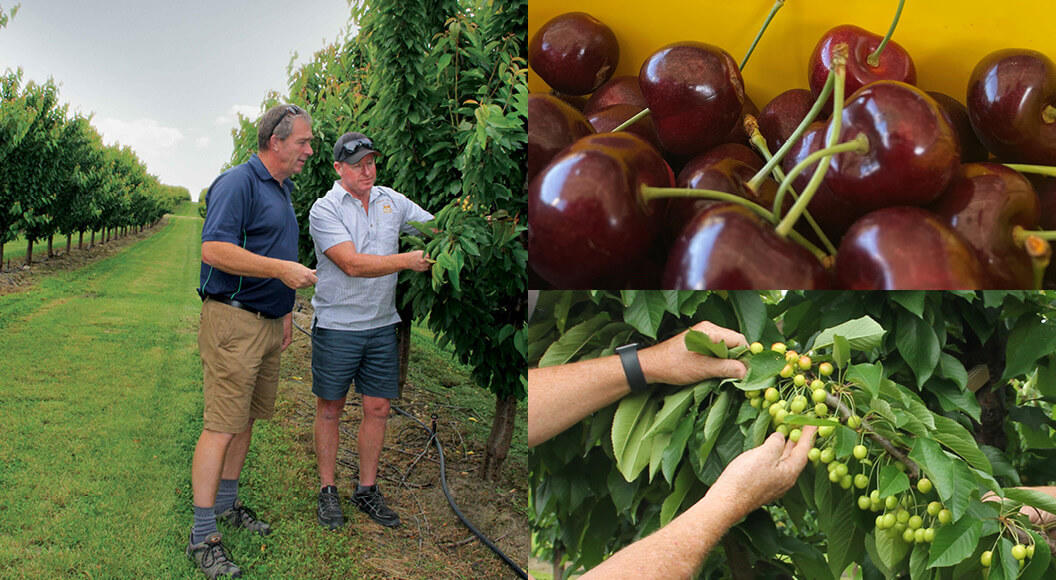
3 Kings Cherries Reigns Supreme
Pictured: Fruitfed Supplies Technical Horticultural Representative, Blair Deaker, assesses potential fruit drop in the cherries with Tim Paulin, Managing Director of 3 Kings Cherries near Dunstan, Central Otago. The 'Three Kings' rock formations sit on the mountains above the Clutha River and...
Video or image
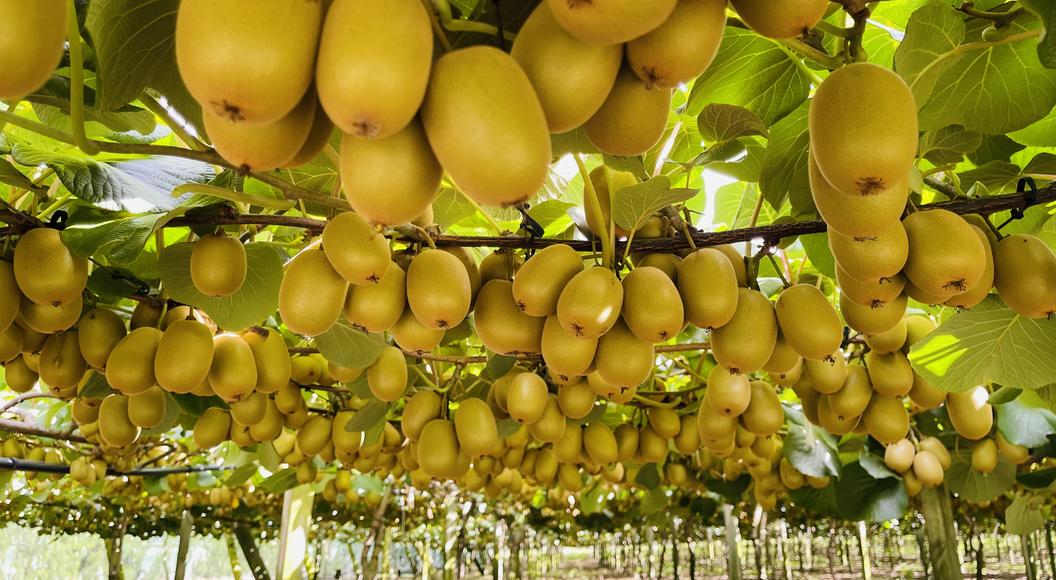
Premium Bay of Plenty kiwifruit listings could exceed $100 million
Several desirable Bay of Plenty kiwifruit properties have listed for sale recently and are set to change hands for a combined value that could exceed $100 million. Stan Robb and Dave McLaren of PGG Wrightson Real Estate, Te Puke have listed 10 orchards between them this month. Comprising some 67...
Video or image
Final Five in the Young Horticulturist of the Year 2024 Competition
The stakes are high for the five finalists in the Young Horticulturist of the Year awards, who met last week for an orientation day in the lead-up to the finals. The competition aims to encourage young people in horticulture to develop their skills and knowledge further and build connections with...
Video or image
3 Kings Cherries Reigns Supreme
Pictured: Fruitfed Supplies Technical Horticultural Representative, Blair Deaker, assesses potential fruit drop in the cherries with Tim Paulin, Managing Director of 3 Kings Cherries near Dunstan, Central Otago. The 'Three Kings' rock formations sit on the mountains above the Clutha River and...
Video or image
Premium Bay of Plenty kiwifruit listings could exceed $100 million
Several desirable Bay of Plenty kiwifruit properties have listed for sale recently and are set to change hands for a combined value that could exceed $100 million. Stan Robb and Dave McLaren of PGG Wrightson Real Estate, Te Puke have listed 10 orchards between them this month. Comprising some 67...