
Video or image
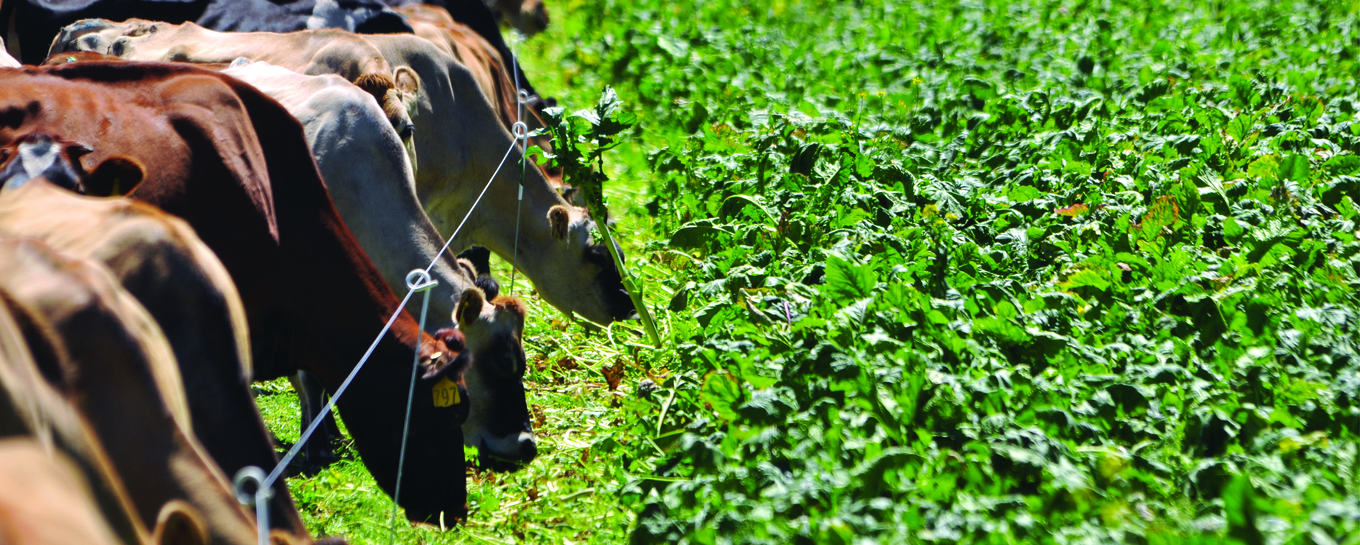
Grazing brassica crop selection
Brassica crops for grazing are valuable and used for many reasons, from a development tool to a rotation option for filling a feed gap at key times of the year. Choosing the right brassica crop for your farm is important to achieve a profitable outcome.
Brassica crop options range from bulb turnips, leafy turnips, rape, kale and swedes. Each crop has its own characteristics to use on your farm to match your feed and stock requirements.
Bulb and leafy turnips provide a fast growing source of feed that can be grazed early. Bulb turnips provide a leaf and bulb making it better as a bank of feed. The leafy turnips provide only a leaf, making it better for a multi-graze situation. Both turnips don’t have the requirement to mature before grazing, whereas this is important for rape which needs to have the distinctive change in leaf colour before stock can safely graze. Rape is a multi-graze leafy option which has good cold tolerance and a slower maturity than the turnips, making it an option for filling autumn feed gaps when the season has been difficult through late summer or when winter feed crops are looking like they will fall short.
The final two types of brassica are kale and swede. These two are the more cold tolerant crops. Kale is commonly used in the South Island as a winter feed crop as it is a source of high quality feed to carry stock through those colder months.
Swedes are mostly grown in cooler areas with higher rainfall that helps them thrive as a great source of winter feed, which is provided mostly by the bulb, and are usually only grazed once. Because both kale and swede are good winter feed options, they are often used together in rotations. Remember that kale is more tolerant to the soil disease club root.
They can follow the swedes in a rotation, but the more sensitive swedes cannotfollow kale without a higher risk of yield penalties and is not advised.
To get advice on any aspect of pasture establishment, contact your local PGG Wrightson Technical Field Representative.
Related News
Video or image

PGG Wrightson joins A Lighter Touch crop protection change
PGG Wrightson (PGW) is partnering with A Lighter Touch to support growers in moving to more sustainable crop protection programmes. A Lighter Touch is a $27 million industry and government partnership which is co-funded by the Ministry for Primary Industries, 15 product group partners and three crop...
Video or image
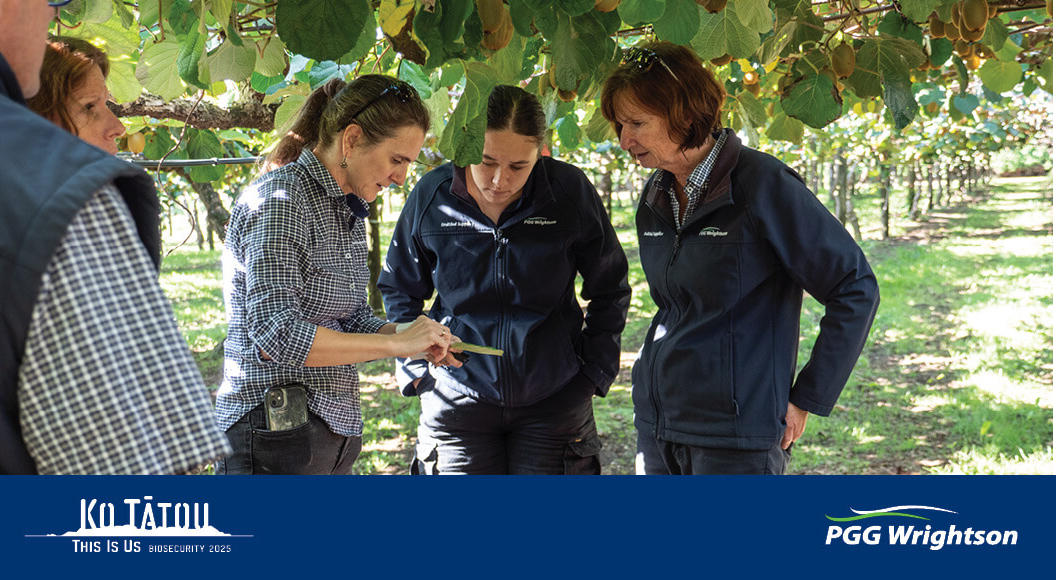
PGG Wrightson signs Biosecurity Pledge
Aotearoa New Zealand sits in a unique position being an isolated island nation which has historically protected it from a number of pests and diseases found elsewhere, but the high volume of trade and tourism increases the risk of them getting across the border. Biosecurity is a major risk to...
Video or image

Sheffield Primary receives boost from Cash for Communities Programme
Raising funds to provide Kiwi kids with additional resources and equipment to enjoy while at school takes considerable time and effort in fundraising. For Sheffield Primary School in Mid Canterbury, the Cash for Communities programme delivered a win recently with the school being donated $333. Nigel...
Video or image
PGG Wrightson joins A Lighter Touch crop protection change
PGG Wrightson (PGW) is partnering with A Lighter Touch to support growers in moving to more sustainable crop protection programmes. A Lighter Touch is a $27 million industry and government partnership which is co-funded by the Ministry for Primary Industries, 15 product group partners and three crop...
Video or image
PGG Wrightson signs Biosecurity Pledge
Aotearoa New Zealand sits in a unique position being an isolated island nation which has historically protected it from a number of pests and diseases found elsewhere, but the high volume of trade and tourism increases the risk of them getting across the border. Biosecurity is a major risk to...
Video or image
Sheffield Primary receives boost from Cash for Communities Programme
Raising funds to provide Kiwi kids with additional resources and equipment to enjoy while at school takes considerable time and effort in fundraising. For Sheffield Primary School in Mid Canterbury, the Cash for Communities programme delivered a win recently with the school being donated $333. Nigel...