
Video or image
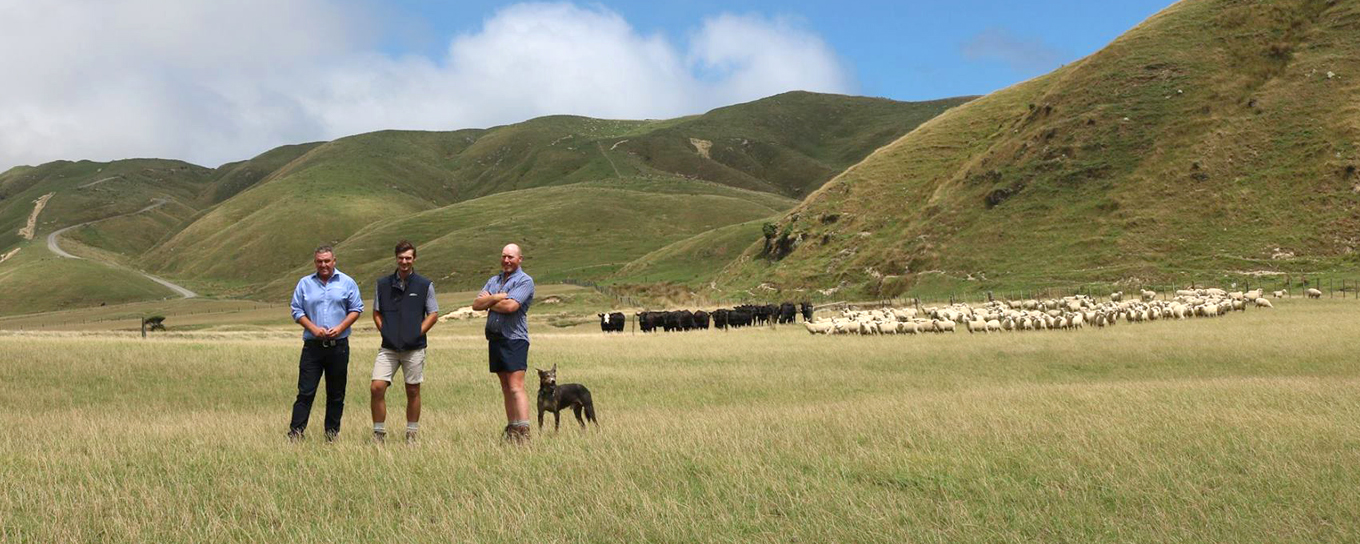
Go products provides flexibility
The PGG Wrightson Livestock business has continued to strengthen its performance over the last three years as lower stock numbers and sustained international demand for New Zealand’s high-quality protein have combined to push up livestock prices.
Livestock is principally an agency business, with revenue predominantly reflecting commissions earned on the buying and selling of livestock. Consequently the key drivers of business performance are the volume and value of livestock transacted.
Underpinning this strong market activity of recent years is the development and implementation of a supply chain strategy that has had a positive impact on this business. This includes the impressive growth of the Go range of livestock products, since they were launched in November 2015.
The Go products are a supply chain product for cattle and sheep owned by PGG Wrightson (PGW). The Go products have proven popular with farmers and have grown to an asset balance of $28.7 million as at 31 December 2017.
PGW National Livestock Supply Chain Manager Jamie Molloy who developed and manages the Go products scheme explains, “The market was looking for a grazing product to assist them with their livestock trading. The scheme has been designed to be easy to put in place with our customers signing up to the scheme with their PGW Livestock Agent. Under the scheme, PGW own the livestock and when it is sold the change in the value of the livestock is the farmer’s, less fees.
“Farmers need to be agile as market prices and climatic conditions can change quickly. The timing of Go products are flexible and our customers can use them to suit their own farming operation, for example, farmers typically hold the sheep (Go-Lamb™) for up to four months and cattle (Go-Beef™) for up to 12 months.
“During the 2017 financial year 187,964 sheep and 33,983 cattle entered the scheme. The stock numbers entering the scheme for the first six months of FY2018 have grown from those levels, which is indicative of the strong appeal of the Go products to our customers,” said Jamie.
One of the many PGW customers who signed up for the scheme were Calum and Siobhan Watson of Papanui Station in Makara, west of Wellington. They have signed up for five separate contracts for a total of 400 steers and 5,000 lambs through the scheme since March 2017.
Calum explains, “Siobhan and I had been managing Papanui Station for eight years when we were given the opportunity to farm it in our own right in early 2017. This is sheep and beef country so our major asset is our capital stock. We’ve made good margin through trading stock utilising Go products over the last year or so. This country can dry off quickly here and we usually try and get the store cattle and lambs off the property by December. We got a bit less rain than usual over this summer so we only have the bottom end of the lambs left on the property and we will hold them through to January to get the best margin. Every year is a bit different, so having flexibility with Go products really helps us make the most of the conditions at the time.
“Our Livestock Agent Alex Stewart suggested we take a look at Go products because it gave us the flexibility to trade stock in a strong market while still maintaining the ability to hold or sell stock as needed given current conditions on farm,” said Calum.
PGW Livestock Agent Alex Stewart has been working with the Watson’s for about 18 months and he saw Go products as a good solution to get them involved in trading stock with the end goal of building up their capital from the gains made using Go products. Alex said, “To date they have signed up for five separate contracts, it works well for them and it is suited to their farming operation.”
Jamie concludes, “The international outlook is good for both cattle and sheep markets.
“While it is well documented that our national sheep flock has been decreasing for some time, more recently that decrease has slowed, I think there are enough good long-term signals out there for that trend to start to reverse. We see that as a positive sign for future growth for our Go product range. We are currently developing other Go products, including dairy, to further meet the needs of the market. We believe that Go products will continue to go from strength to strength.”
Related News
Video or image
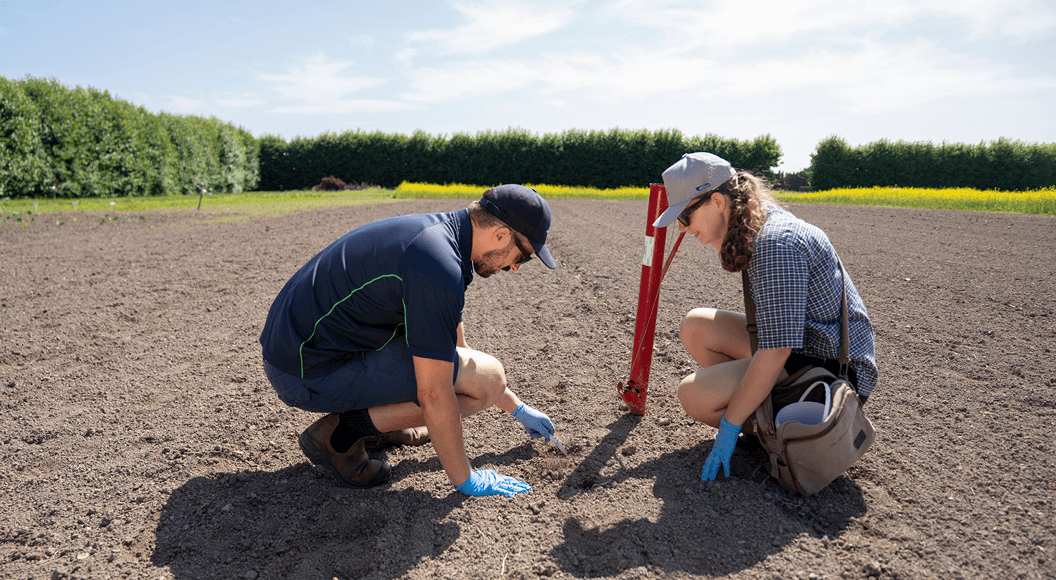
Hastings Research Station – A platform for innovation
PGW's commitment to helping New Zealand farmers and growers succeed took a significant step forward during FY26 with the establishment of the dedicated Hastings Research Station, Hawke’s Bay. On 1 September 2025, PGW assumed the lease of the Geelen Family Trust Research Station, a 2.8-hectare...
Video or image
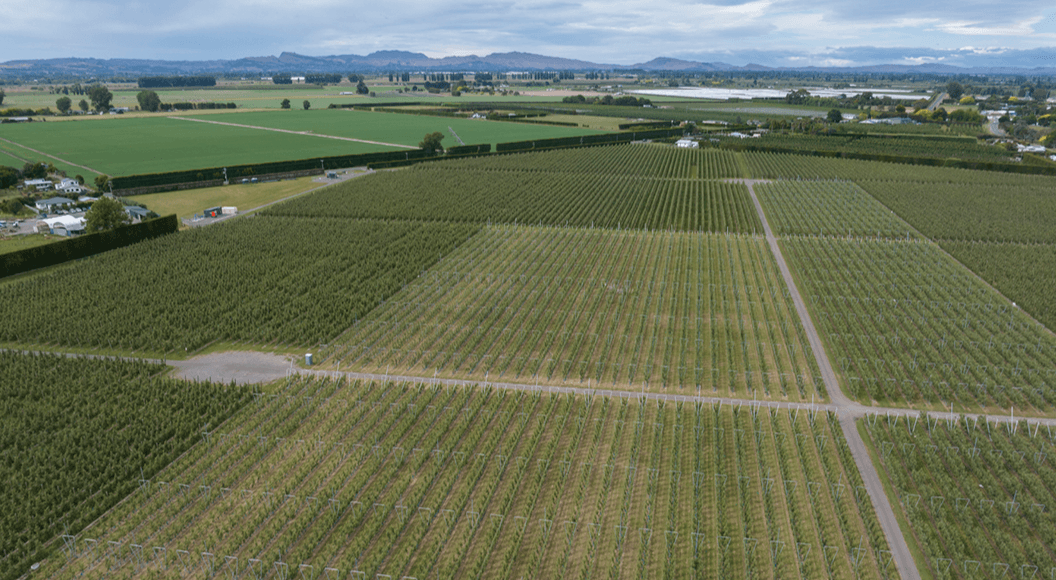
FarmRight: Growing scale, capability, and partnership
FarmRight was established in 2000 to fill a service gap in the dairy sector and expanded into viticulture and horticulture in 2017. Today, FarmRight’s pipfruit portfolio spans multiple regions, with nearly 530 hectares of orchards either in production or development. A key part of this growth is...
Video or image
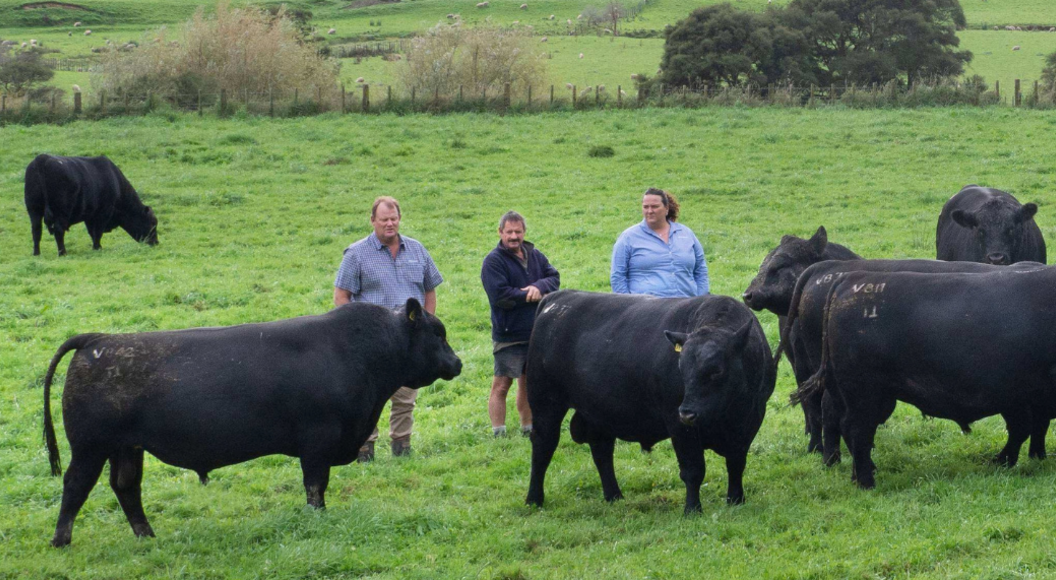
Tangihau Station – Breeding Resilience on the East Coast
Set in steep hill country inland from Gisborne, Tangihau Station is defined by scale, terrain, and climatic extremes. The property spans more than 6,600 hectares of medium to steep East Coast hill country, with only 70 hectares of flat land. Tangihau runs approximately 1,300 commercial breeding cows...
Video or image
Hastings Research Station – A platform for innovation
PGW's commitment to helping New Zealand farmers and growers succeed took a significant step forward during FY26 with the establishment of the dedicated Hastings Research Station, Hawke’s Bay. On 1 September 2025, PGW assumed the lease of the Geelen Family Trust Research Station, a 2.8-hectare...
Video or image
FarmRight: Growing scale, capability, and partnership
FarmRight was established in 2000 to fill a service gap in the dairy sector and expanded into viticulture and horticulture in 2017. Today, FarmRight’s pipfruit portfolio spans multiple regions, with nearly 530 hectares of orchards either in production or development. A key part of this growth is...
Video or image
Tangihau Station – Breeding Resilience on the East Coast
Set in steep hill country inland from Gisborne, Tangihau Station is defined by scale, terrain, and climatic extremes. The property spans more than 6,600 hectares of medium to steep East Coast hill country, with only 70 hectares of flat land. Tangihau runs approximately 1,300 commercial breeding cows...