
Video or image
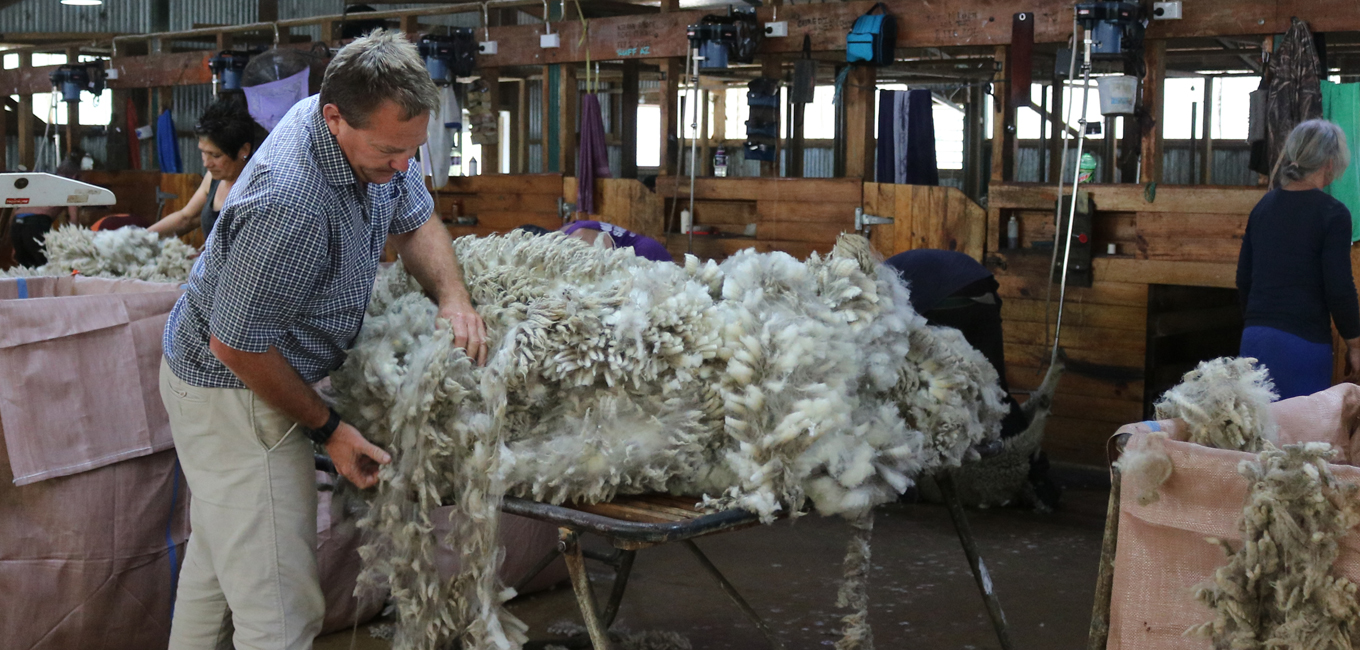
Flexi-Wool contract: providing price certainty
Hawke’s Bay is renowned for its highly productive plains and hill country. An outstanding example of a highly successful pastoral farm in this region is the Williams family’s Otupae Station and Longacre Farm – a large-scale sheep and beef farming operation.
Otupae Station has been in the Williams family since the 1930’s. Located between Taihape and Napier, the 8,632 hectare Station (with 5,100 hectares of pasture) is hard high country with cold bleak winters, and a short damp but highly productive summer depending on favourable weather conditions.
Longacre Farm, located under the gaze of Te Mata Peak, was purchased by Leonard and Janet Williams (current owner Oscar’s grandparents) in 1957. The 800 hectare farm combines steep hill country and flat paddocks.
They run Romney sheep and Angus cattle across both properties. On Otupae Station they run 21,000 Romney breeding ewes and 2,400 Angus breeding cows and heifers. The Station’s ewes are shorn once a year in early February and the ewe hoggets are shorn in October and again in March, with lambs shorn at the end of January. Longacre Farm shears the farm’s hoggets in September and the ewes and lambs in November.
The two farms, with their distinct and contrasting topography, complement each other operationally with Otupae Station primarily a breeding property and Longacre Farm a finishing unit. James Williams oversees Otupae Station, with his son Oscar running Longacre Farm and Gary Mead managing Otupae Station.
Together both farms produce approximately 175,000 kg (about 1,000 bales) of crossbred wool. The main shear produces 36 micron wool, hogget shear is 32-34 microns and the lamb shear is 28 microns. James, Oscar and their teams work alongside the Napier based PGG Wrightson (PGW) Wool team to manage their wool clip.
James said, “We work hard to produce high quality crossbred wool but the marketing and selling of wool hasn’t been straightforward for a while. Selling meat is highly profitable in comparison. In the 1950’s wool was pound for a pound and was the primary contributor to the farm’s income, but now wool’s contribution to our annual revenue is minimal.”
“Wool is a wonderful natural material and has a very viable reputation. The traditional use of wool has been compromised due to the increased use of petroleum-based products. Recently it has been heartening to see some interesting uses of wool, including protein and niche markets such as fabrication for surfboards, so there are many possibilities to explore,” said James.
Otupae Station undertook its annual hogget shear on 24 October 2018. The hogget shear produced 16,240 kg of 32.5 micron wool. The 91 bales were auctioned in Napier on 8 November 2018. PGW Wool Representative and North Island Auctioneer Steve Fussell has worked with the Williams family for over five years.
Steve said, “James and his team have a reputation for producing high quality crossbred wool. So despite challenging market conditions it came as no surprise that his wool was highly contested at the auction on 8 November 2018.”
“Good quality, large individual lines of wool are favoured by buyers for the consistency over the offering. Hogget wool demand is very much micron driven and the 32 level is at the fine end of the crossbred range so is highly sought after.”
“At the sale on 8 November the Otupae Station wool sold to strong bidding from the floor under what could be described as very trying conditions. The wool was presented with very good colour and 3-4 inches in length. The greasy price sold for $3.08 per kg. The wool was purchased by PGW Wool’s export arm Bloch & Behrens Wool (NZ) Ltd (Bloch & Behrens) at auction and is destined for Sweden to be made into felted blankets,” said Steve.
The PGW Wool team offers a range of contracts for wool producers. For example, the Otupae Station hogget wool was sold via auction, but James Williams has the Station’s ewe wool signed up to a three-year Flexi-Wool contract.
Steve said, “It has been tough in recent years for crossbred wool producers and James is no exception. To assist James with planning and to provide him with greater price certainty for part of his wool clip, I offered him a long-term contract. As a result of those discussions, James signed up for a three-year Flexi-Wool contract for the Otupae Station ewe wool (which commenced in July 2018). There are only a limited number of three-year contracts available and the contracts are linked to selected international customers – thus providing all parties with supply chain price certainty. The contract price, as at the end of November 2018, is about 100 cents/kg above the current market.”
James added, “When Steve suggested the Flexi-Wool contract for our wool clip it came at just the right time. I was getting pretty frustrated with the prices we were getting at auction over the last ew years. It is tough on the team when they work hard to produce high quality wool and we get such low prices at auction. The contract also provides us with a bit more price certainty which allows us to plan long-term with more confidence. We are in our first year of the three-year contract for Otupae Station’s ewe wool and I am happy with how it is going so far. Steve knows what he is doing and we know our wool, so it works well,” said James.
While crossbred wool has had mixed fortunes in the global market in recent years, New Zealand wool producers are highly respected and are recognised throughout the world for producing high quality crossbred and fine wools. Wool is recognised as a natural insulator, naturally fire-retardant, naturally breathable, sustainable and biodegradable. With the New Zealand wool industry focused on innovative uses of the fibre, members of the wool supply chain including PGW Wool, remain optimistic for the future of this exceptional natural product.
PGW Flexi-Wool Contract
PGW introduced the three-year Flexi-Wool contract in 2014 for producers who were becoming increasingly frustrated with receiving low prices for their crossbred wool despite the high quality of the wool being offered. The contracts, which are limited in number, are closely linked to sales made by Bloch & Behrens with their key international customers who were also welcoming the stabilising effect of the three-year flexi contracts, making the price of their raw material cost much less volatile. The clean wool price is set, based on a three-year moving average. This long-term contract has been well received by PGW Wool’s crossbred wool growers due to the provision of greater price certainty.
Related News
Video or image
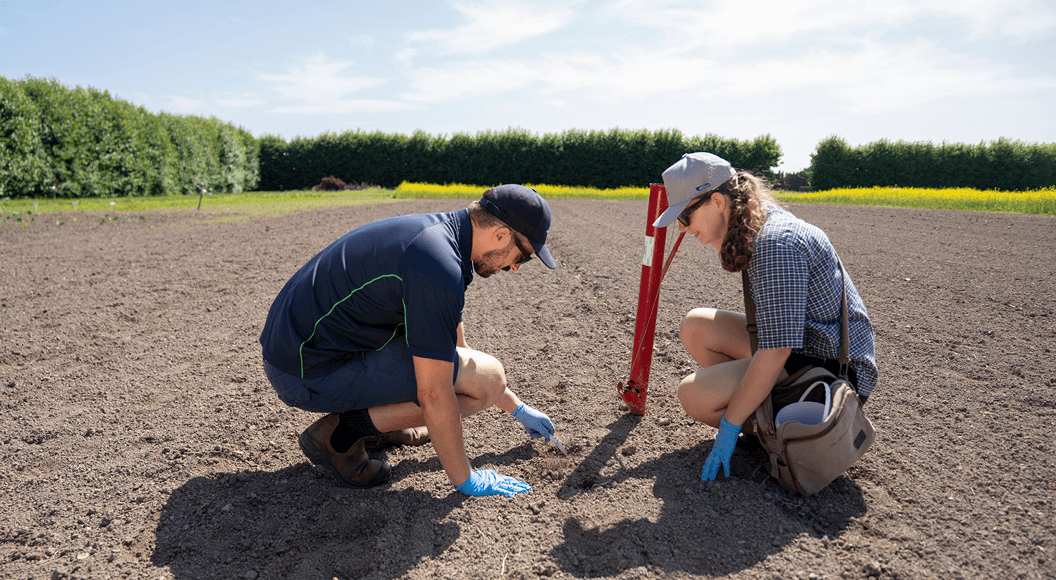
Hastings Research Station – A platform for innovation
PGW's commitment to helping New Zealand farmers and growers succeed took a significant step forward during FY26 with the establishment of the dedicated Hastings Research Station, Hawke’s Bay. On 1 September 2025, PGW assumed the lease of the Geelen Family Trust Research Station, a 2.8-hectare...
Video or image
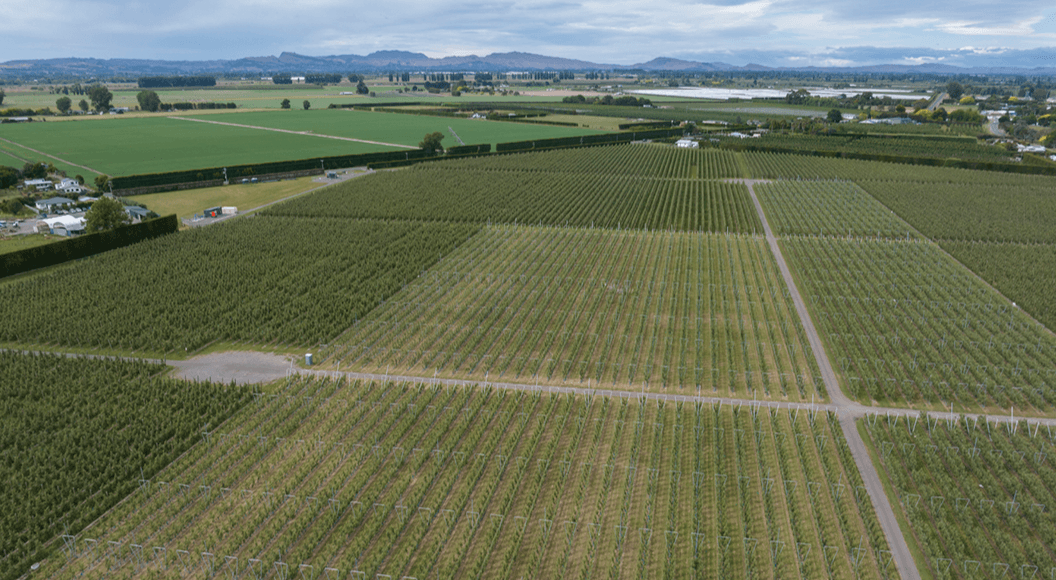
FarmRight: Growing scale, capability, and partnership
FarmRight was established in 2000 to fill a service gap in the dairy sector and expanded into viticulture and horticulture in 2017. Today, FarmRight’s pipfruit portfolio spans multiple regions, with nearly 530 hectares of orchards either in production or development. A key part of this growth is...
Video or image
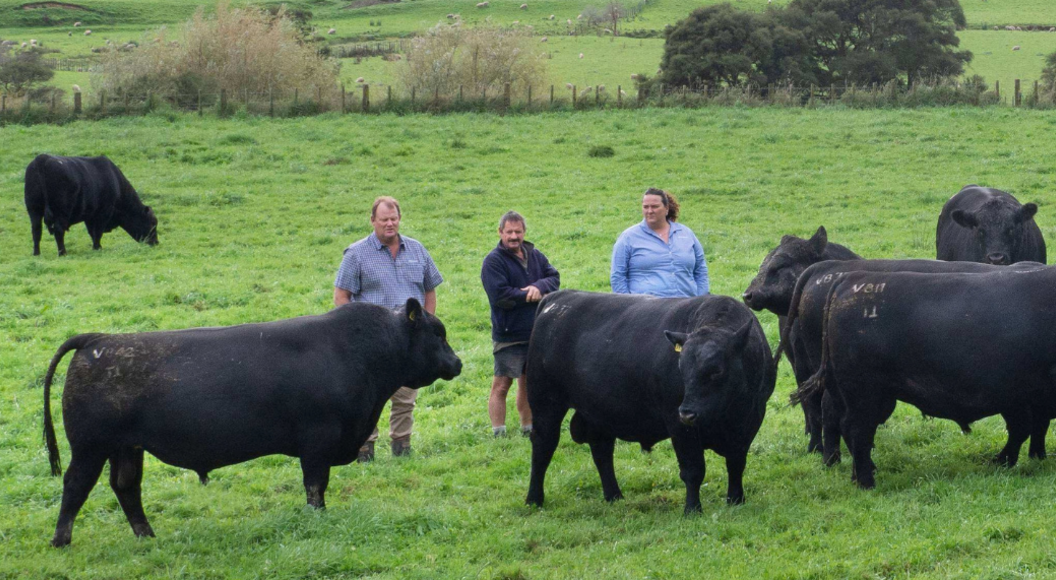
Tangihau Station – Breeding Resilience on the East Coast
Set in steep hill country inland from Gisborne, Tangihau Station is defined by scale, terrain, and climatic extremes. The property spans more than 6,600 hectares of medium to steep East Coast hill country, with only 70 hectares of flat land. Tangihau runs approximately 1,300 commercial breeding cows...
Video or image
Hastings Research Station – A platform for innovation
PGW's commitment to helping New Zealand farmers and growers succeed took a significant step forward during FY26 with the establishment of the dedicated Hastings Research Station, Hawke’s Bay. On 1 September 2025, PGW assumed the lease of the Geelen Family Trust Research Station, a 2.8-hectare...
Video or image
FarmRight: Growing scale, capability, and partnership
FarmRight was established in 2000 to fill a service gap in the dairy sector and expanded into viticulture and horticulture in 2017. Today, FarmRight’s pipfruit portfolio spans multiple regions, with nearly 530 hectares of orchards either in production or development. A key part of this growth is...
Video or image
Tangihau Station – Breeding Resilience on the East Coast
Set in steep hill country inland from Gisborne, Tangihau Station is defined by scale, terrain, and climatic extremes. The property spans more than 6,600 hectares of medium to steep East Coast hill country, with only 70 hectares of flat land. Tangihau runs approximately 1,300 commercial breeding cows...