
Filter By
1400 Result(s)
Video or image
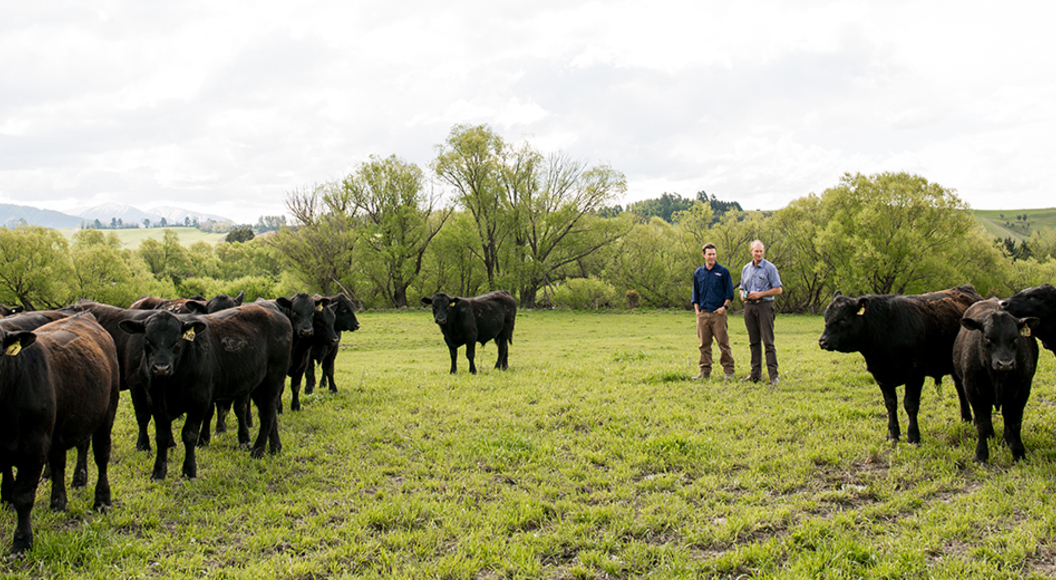
Kakahu Angus investment in genetics pays off
Recent Angus yearling bull sales are on a high with record results around the country and Kakahu Angus Stud near Geraldine was no exception to this strong outcome for breeders throughout New Zealand. Some prices were up by more than $1,000 a head, achieving gains of 30 percent plus on last year...
Video or image
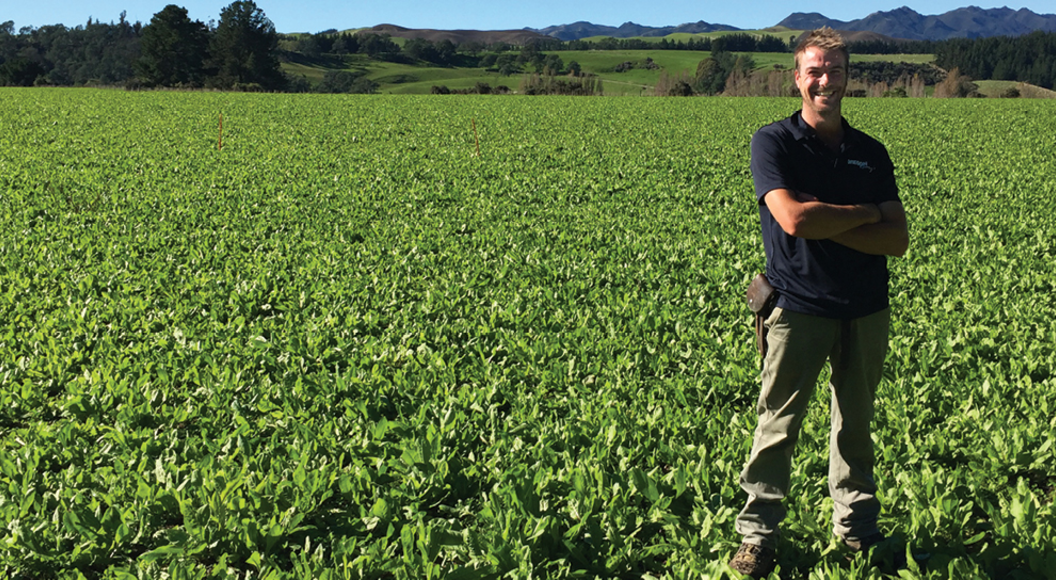
Choosing the right kale
Forage quality should be a key consideration when deciding on the kale cultivar that will ultimately determine next winter’s animal performance. With a wide range of kale cultivars available, it is important to differentiate between short, intermediate and giant types, carefully weighing up the...
Video or image
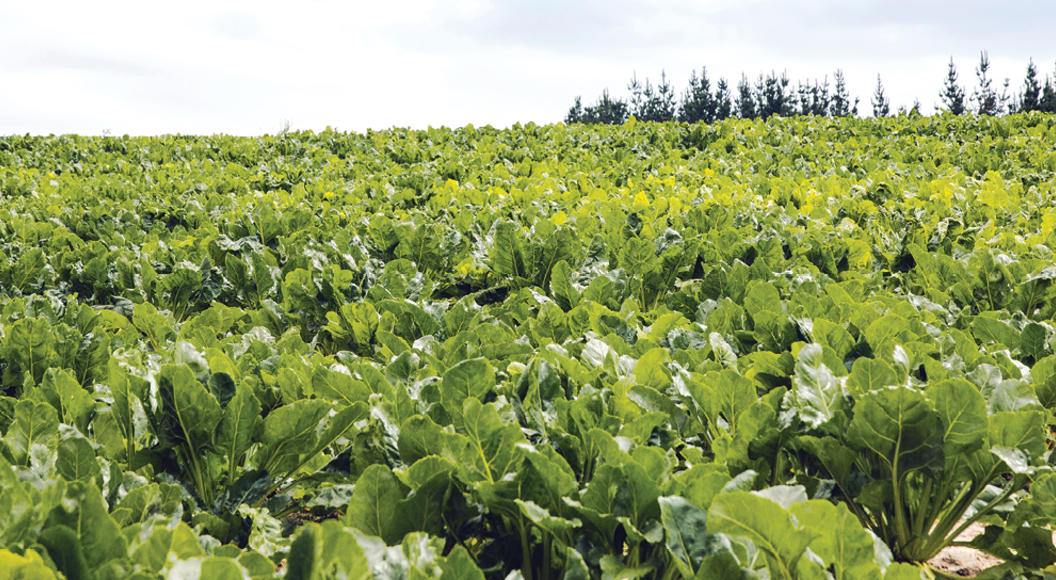
Proven fodder beet weed control options
With fodder beet a slow establishing crop and highly susceptible to weed competition, it is crucial that a thorough weed control programme is used. Through its decades of experience and involvement in sugar beet production in Europe, Bayer Cropscience has developed a range of herbicide solutions for...
Video or image
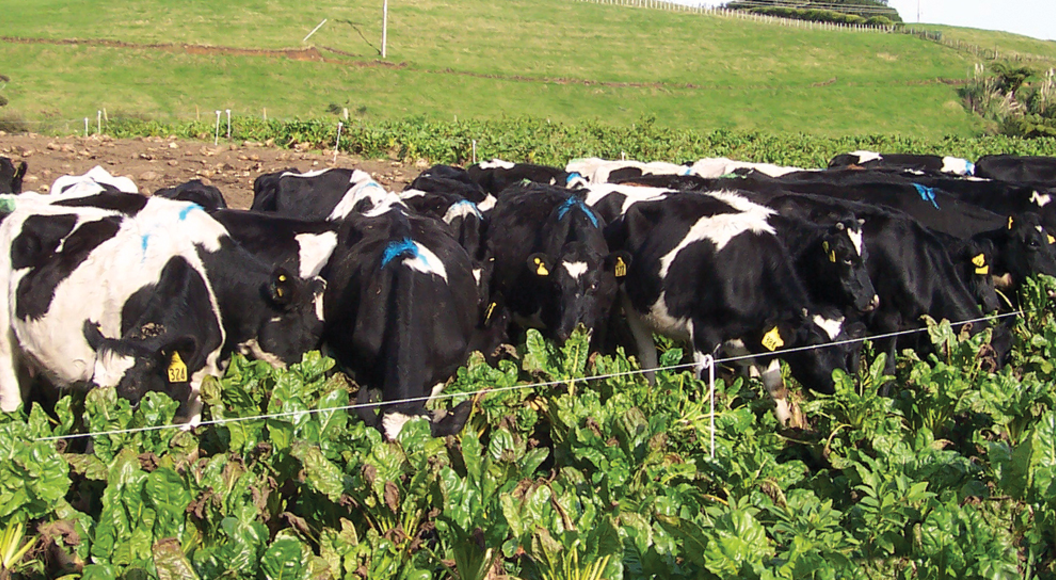
Growing high-yielding fodder beet
Attention to detail will help you get the most out of this forage crop. Paddock selection and preparation Consider access, soil structure, previous crop, spray history, and fertility when selecting your paddock. If planting after beet, radish, peas, potatoes or mustard, monitor crop health as these...
Video or image
Australia supply chain improvements yield results
The PGG Wrightson Australian Seeds business, which was established in 1938, is a proprietary seed company operating across the country. Its activities cover all aspects of the seed market, from research and development through to product supply, distribution and technical on-farm supply. The...
Video or image
Waitatapia Station produces high-yield production crops
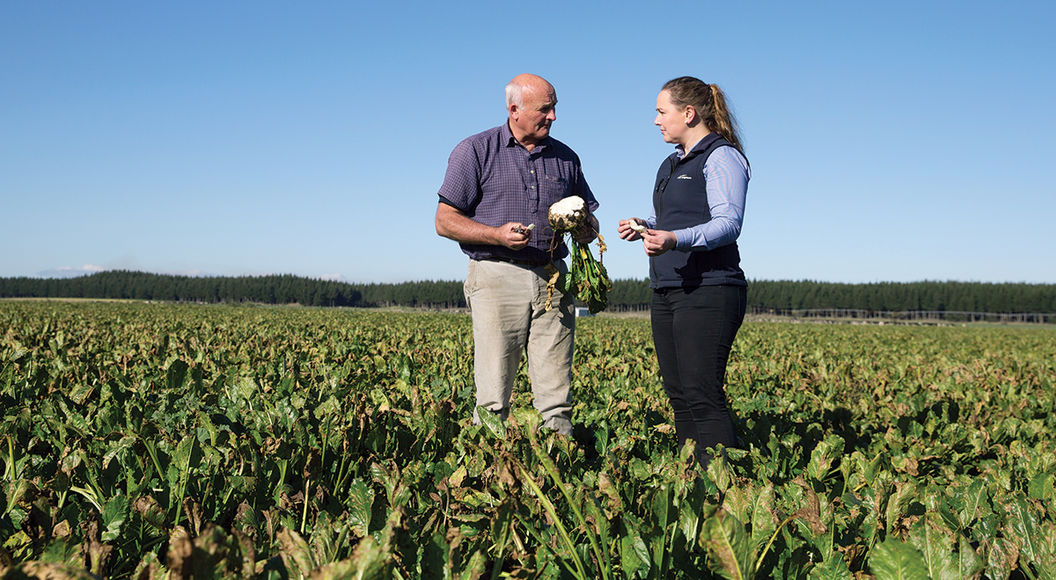
Ever wondered how our Technical Team can add value to your farming operation? We profile how PGG Wrightson Technical Specialist (Soil Science) Stephanie Sloan, works alongside locally-based PGG Wrightson Technical Field Representatives (TFR) to provide support to Waitatapia Station. Waitatapia...
Video or image
Good planning key to success with fodder beet
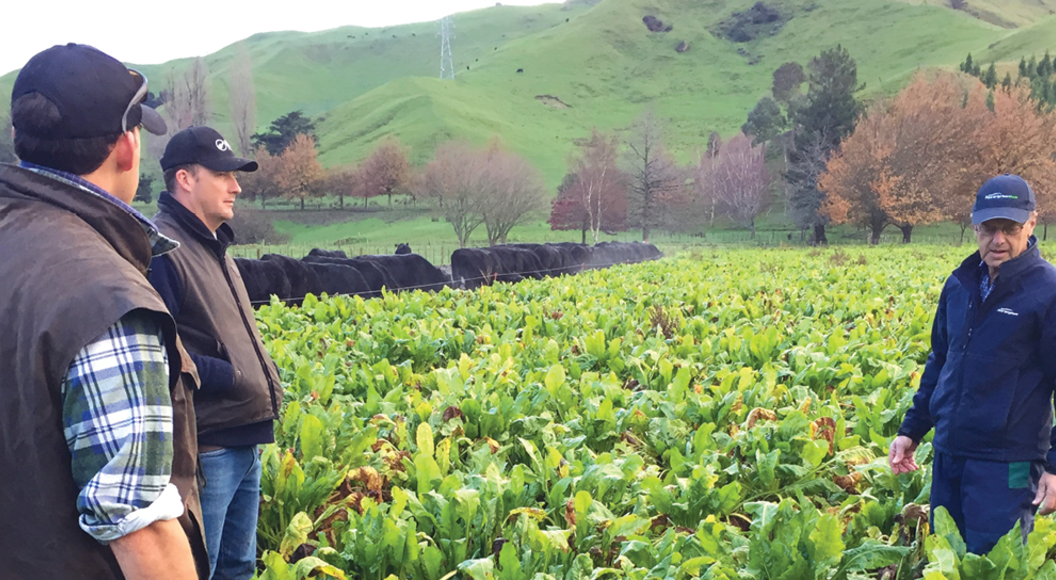
The results that Phil Chapman of South Canterbury has had feeding beet to R1s and R2s on his sheep and beef property prove that effective planning is key to a successful fodder beet crop. The versatility of fodder beet makes it an attractive forage option in many farming systems throughout New...
Ashburton Dog Sale
The sound of dogs working sheep at the Mayfield A&P showgrounds near Ashburton, was heard for miles around, when PGG Wrightson ran its 61st annual Ashburton sheep and cattle dog sale on Thursday 6 July. The sales catalogue featured 43 Heading and 15 Huntaway dogs. The top price went to three year...
Video or image
Managing foliar diseases in fodder beet
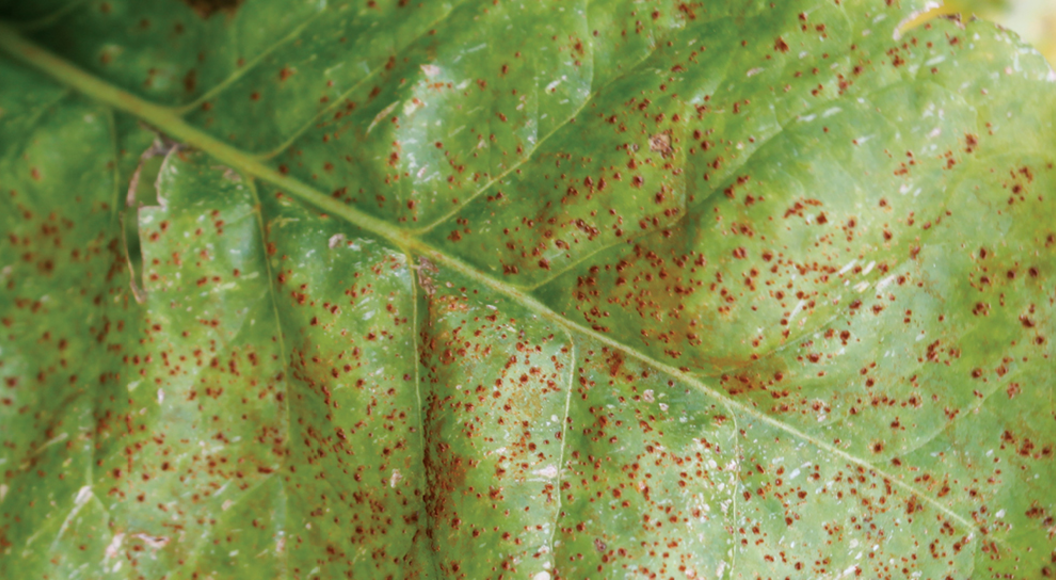
The substantial growth of fodder beet plantings has come with higher incidences of foliar diseases in the popular crop. The leaves are a valuable protein source when fodder beet is fed to stock. Foliar diseases not only reduce the palatability of the leaves, but will reduce crop yields. Maintaining...
Video or image
Weed and pest control in beets
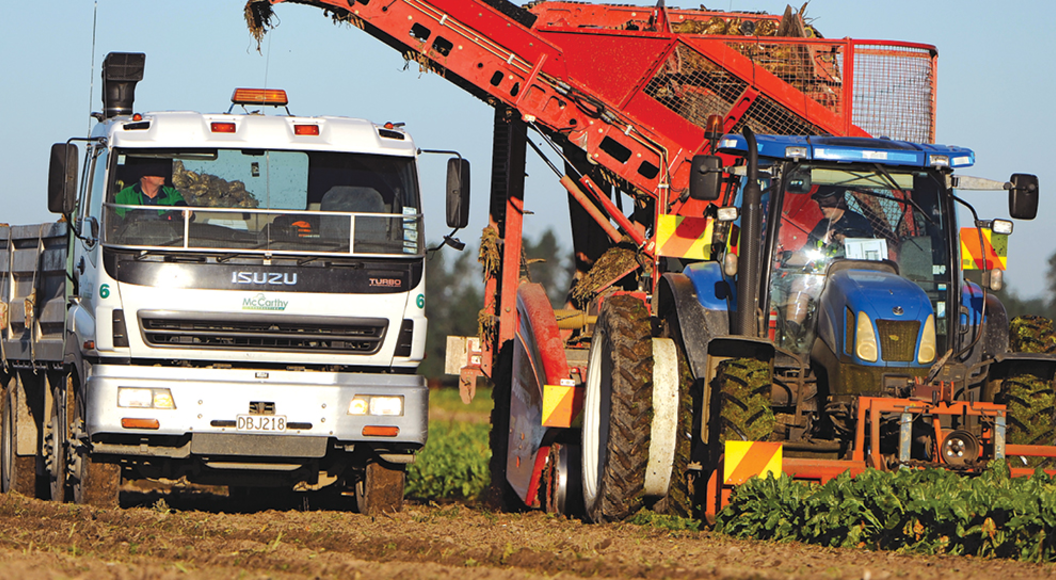
A good fodder beet crop is an excellent source of quality, cost effective dry matter. Protecting your investment in preparing and sowing down the paddock can be done by following a few simple steps. Multiple application programmes are recommended for both weed and pest control. Plan for one pre...
Video or image
A new option for pre-emergent weed control in brassicas
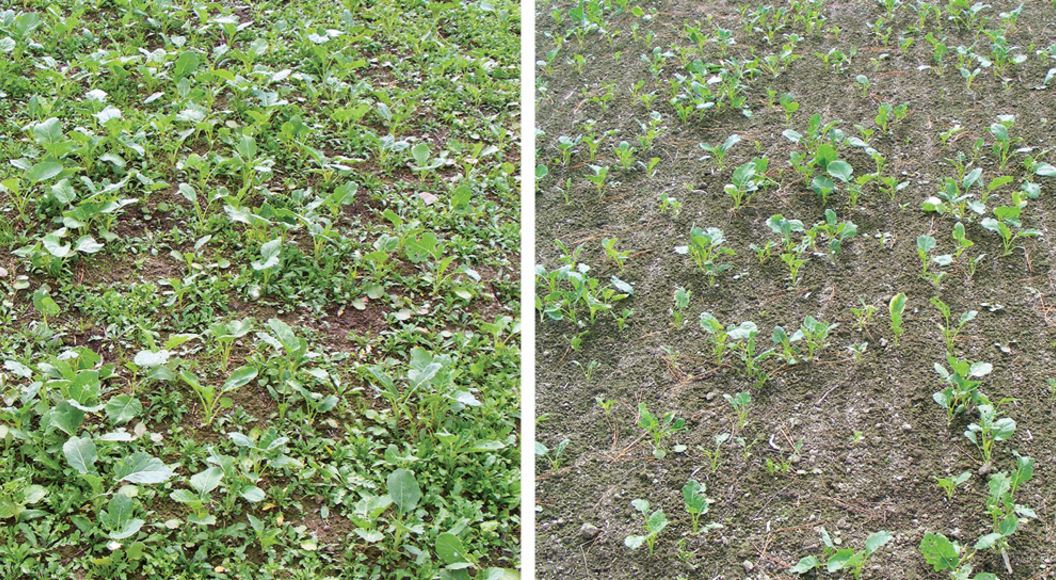
Early weed control helps your brassica crop get off to a solid start and offers the best chance to increase yields. Weeds can quickly over run a crop, competing for light, nutrients, moisture and space. Weeds are most competitive early in a crop’s life, when more gaps exist for weeds to fill. Even...
Video or image
Planning for a successful fodder beet crop
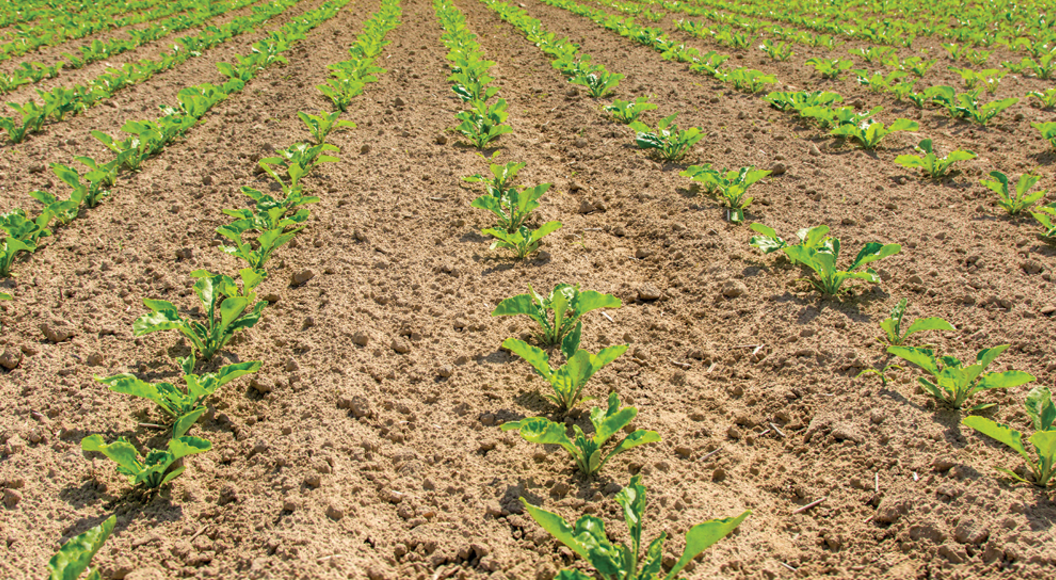
Fodder beet can be a complex crop to grow and feed. To get the best out of it, make sure you start with a good plan. Planning for a fodder beet crop could be up to two years before the intended drilling date. Forward planning helps alleviate issues such as chemical residues from previous crop...
Video or image
Offering strong fodder beet varieties through research and development partnership
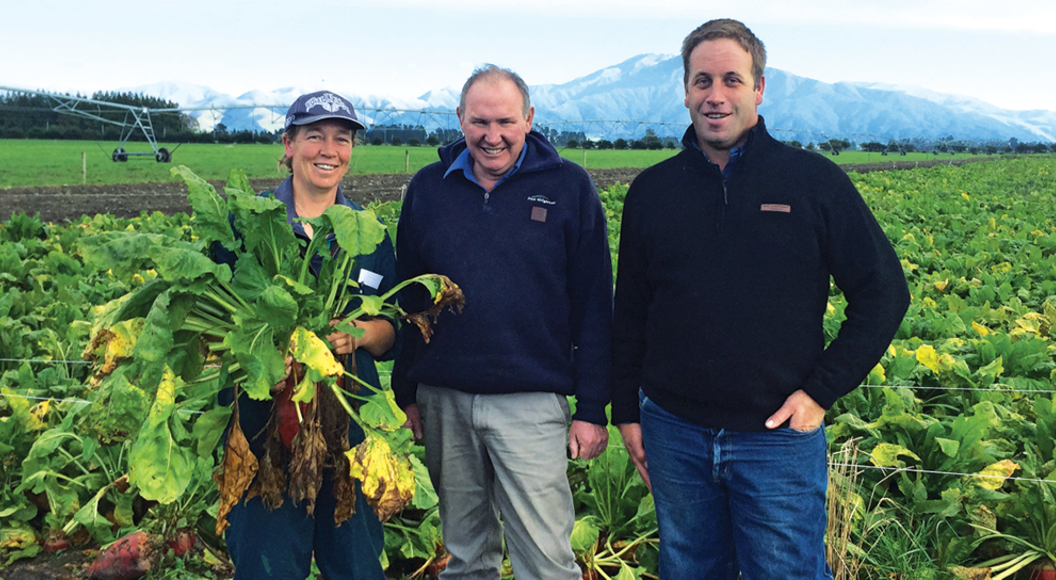
With land resource limited, many farmers are looking to grow more feed within the same area and have been impressed with the flexibility and performance of fodder beet over recent years. Agricom has various proven quality mono-germ fodder beet varieties in the market to suit a range of systems and...
Video or image
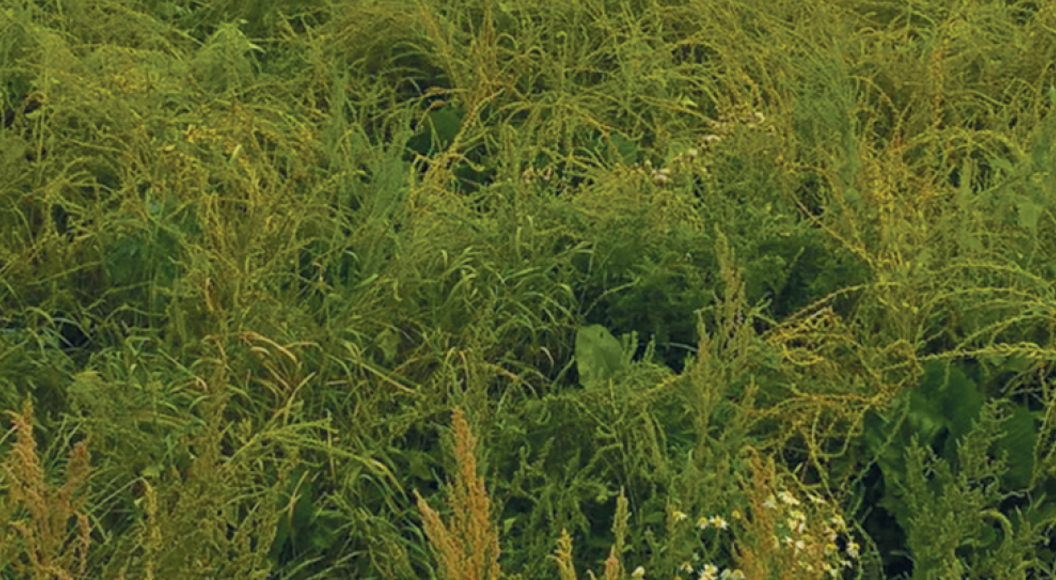
Remove bolters from beet
Fodder beet has found its place on many farms around New Zealand. This is a crop that targets different stock classes and systems and is a great tool for farmers. As an industry, it is in our best interest to ensure the success of future fodder beet crops by removing bolters. A bolter is when a beet...