
Filter By
1400 Result(s)
Video or image
October Rural Real Estate Report With Peter Newbold and Jamie Mackay
PGG Wrightson Real Estate's GM told The Country's Jamie Mackay, "What is encouraging is that volume is up on last year and there is a "strong feeling," that there will be "a lot of activity pushing through to Christmas." Farm sales volume have dropped, which is a surprise to Peter Newbold, who...
Video or image
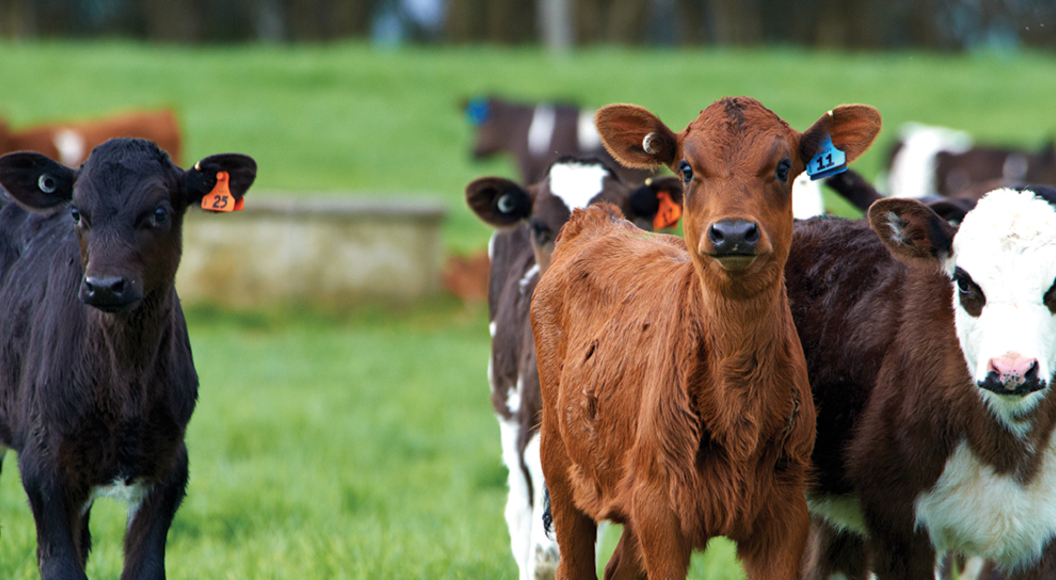
Drench management for reared calves
Weaning is a period of stress for calves, with scouring common during this time. But it is not always due to worms. To minimise the transition shock of weaning, a progressive process is recommended where milk intake is reduced and meal intake is increased over a period of up to six weeks. This...
Video or image
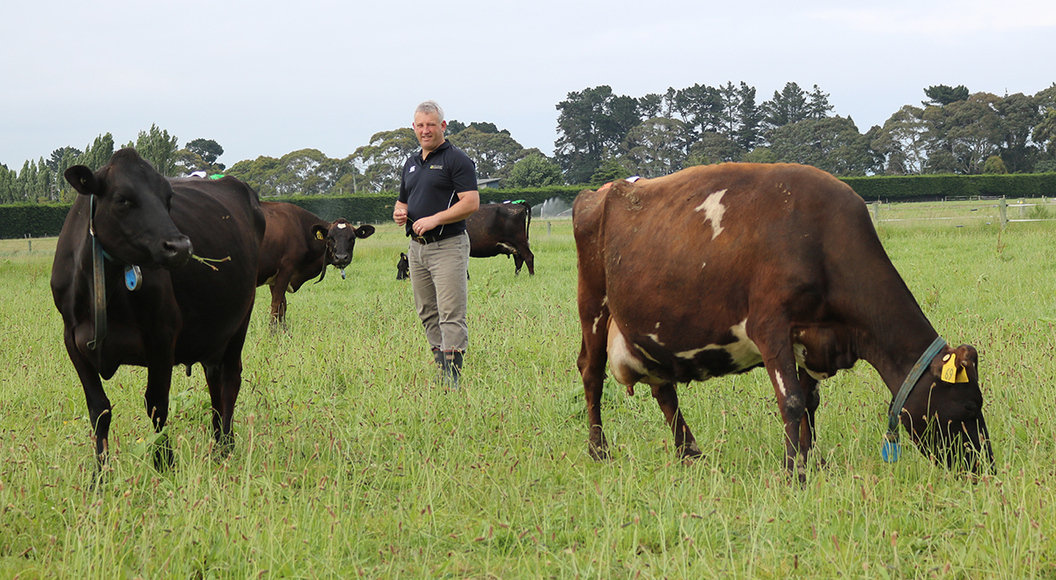
Research team discovers ‘weed’ has valuable nitrogen mitigation properties
Agricom (a trading division of PGG Wrightson Seeds Limited) researches, develops and markets a wide range of proprietary pasture and forage crop seeds to the agricultural industry. The proprietary seed company takes a team approach to research involving employees, customers and key industry...
Video or image
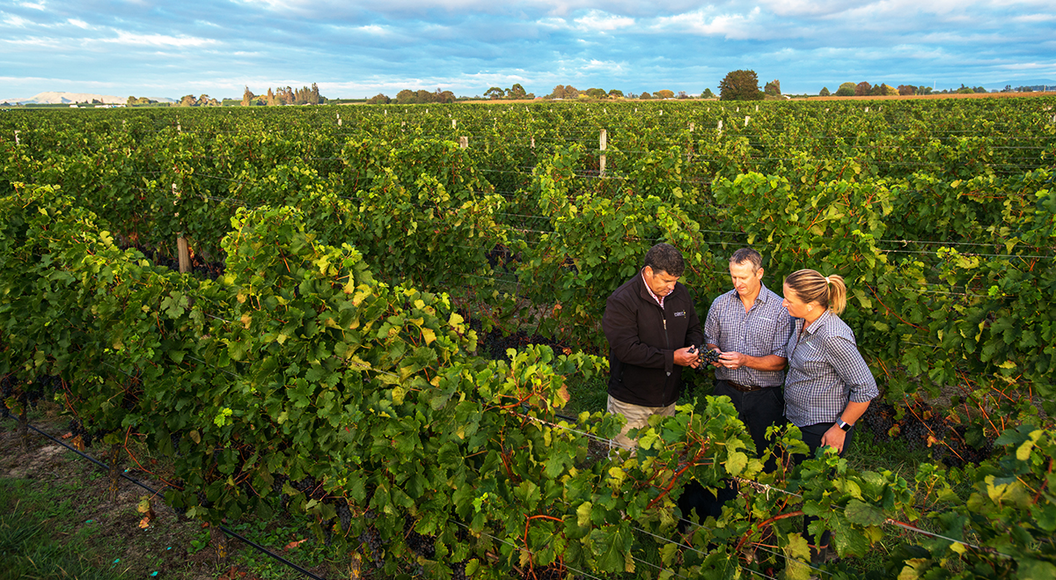
Crop monitoring team specialises in early detection
A specialised team within Fruitfed was established in Hawke’s Bay in 1998 to provide crop monitoring services to horticulturists in the region. This well-respected business unit, led by Hawke’s Bay based Fruitfed Crop Monitoring Manager Jimmy Bowden, has grown to a team of eight who co-ordinate crop...
Video or image
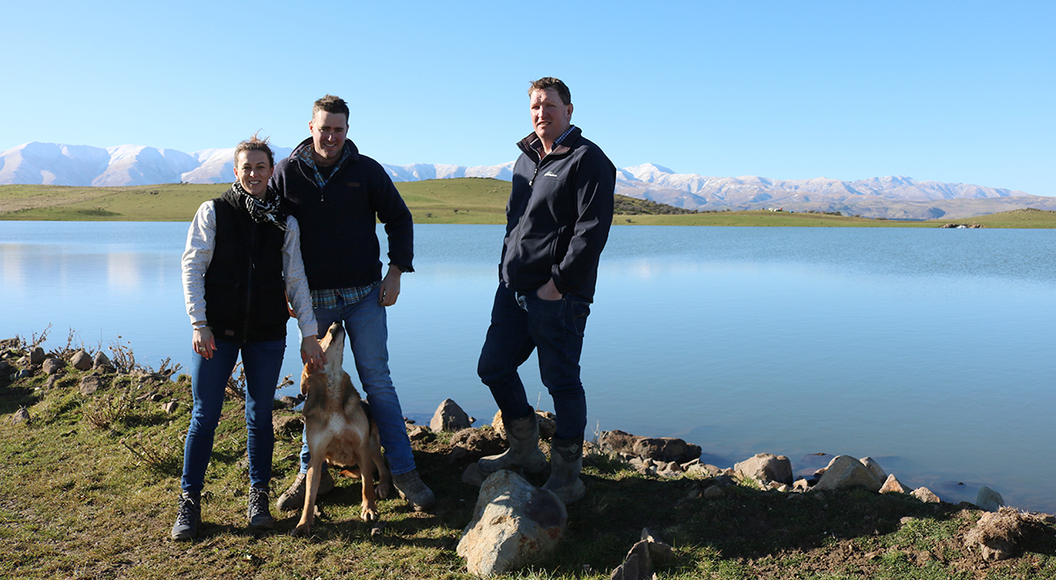
Surety of water supply provides opportunities for Creekside Farms
A key contributor to running a profitable sheep and beef farming operation is surety of water supply. This is especially important in drought-prone areas of New Zealand such as Central Otago. Adam and Juls Lindsay own Creekside Farms on the Maniototo Plains near Ranfurly. They undertook a...
Video or image
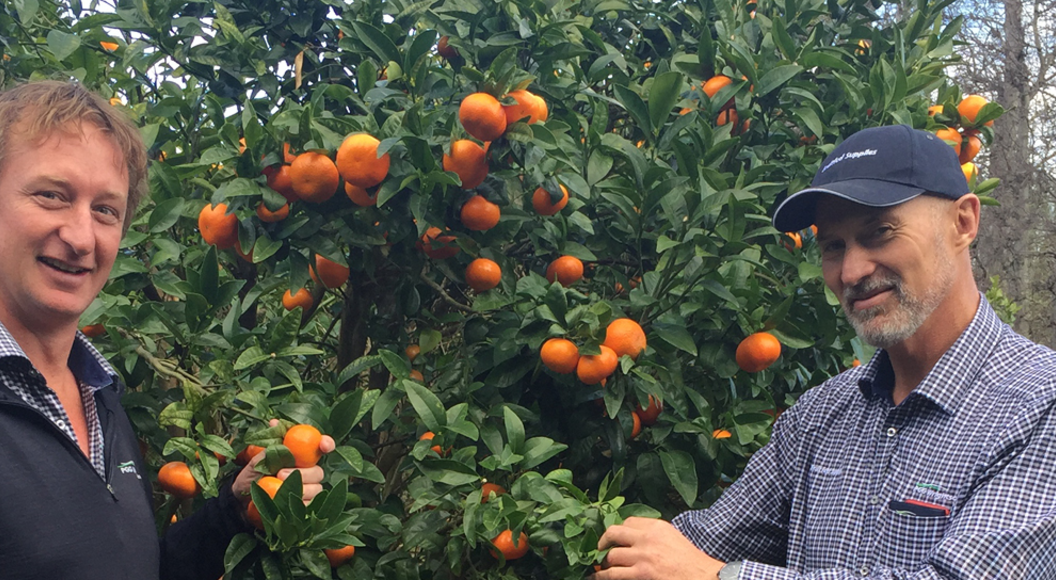
Fresh approach in Gisborne
Newly-appointed Fruitfed Supplies Area Sales Manager Jeremy Darby heads up a new team in the region with new faces representing PGG Wrightson in both the horticulture and Rural Supplies teams. Having started with the company in 2015 as a Technical Field Representative in Gisborne, Jeremy drew on his...
Video or image
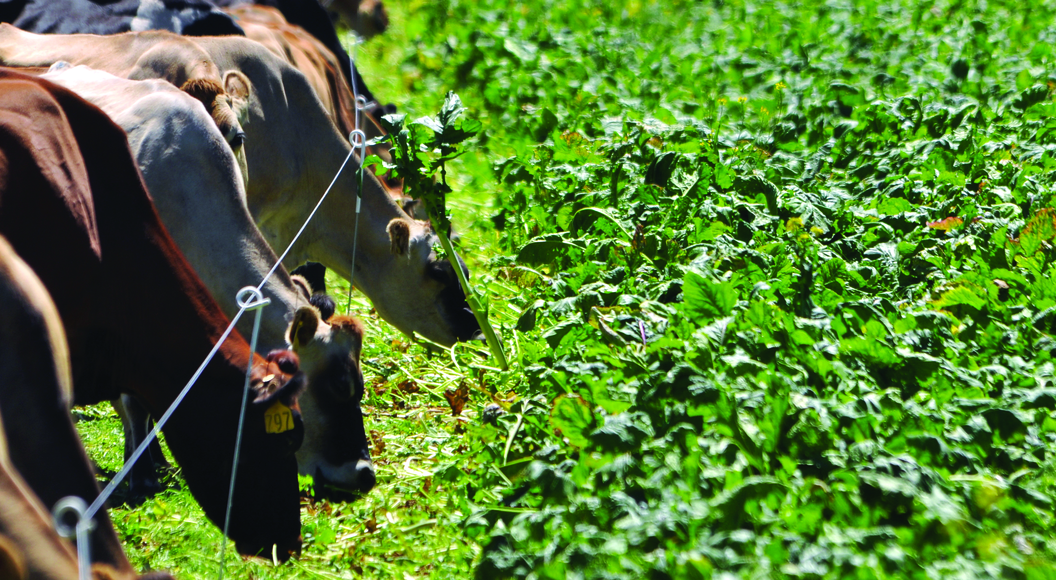
Grazing brassica crop selection
Brassica crops for grazing are valuable and used for many reasons, from a development tool to a rotation option for filling a feed gap at key times of the year. Choosing the right brassica crop for your farm is important to achieve a profitable outcome. Brassica crop options range from bulb turnips...
Video or image
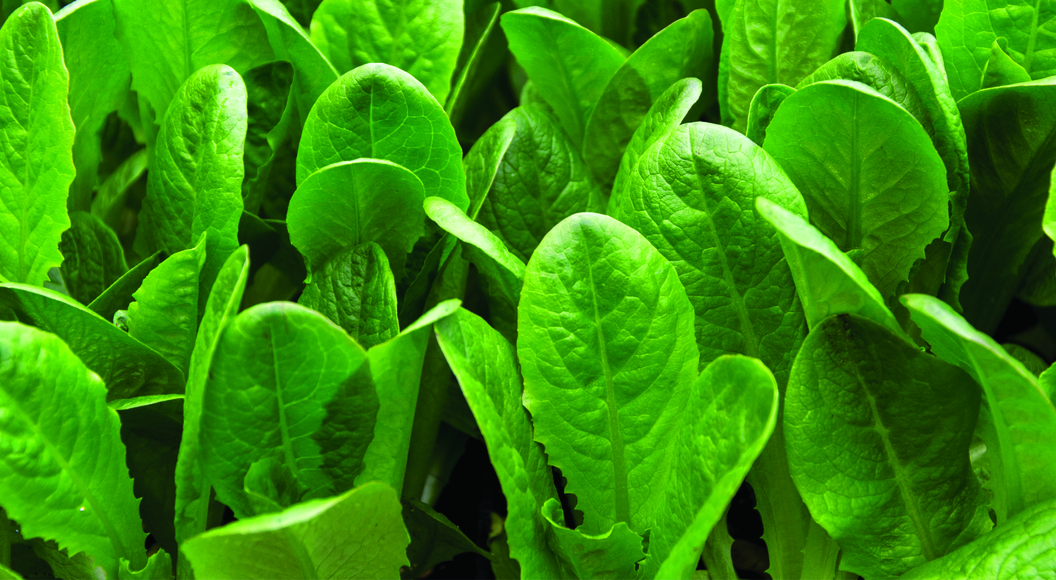
Herbs ideal for summer feed
In long hot dry summers, perennial ryegrass growth either stops or considerably slows down, restricting grazing options at the time when fattening lambs or feeding other livestock is the goal. Ryegrass has a shallow rooting system which leaves the plants susceptible to drought and damage from pests...
Video or image
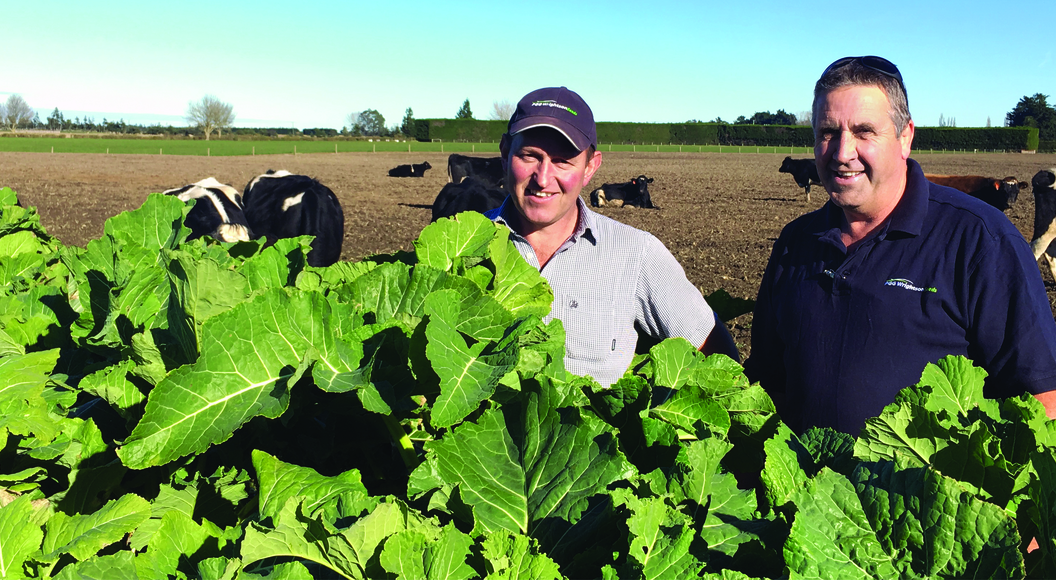
New kale genetics impress in Canterbury
Canterbury Farmers Rod and Adrienne May have enjoyed the benefits of growing Sovereign kale for the past 10 years. Located just outside of Darfield on their arable and dairy support property, the Mays need a kale that can produce large yields to be sold standing for dairy support as well as holding...
Video or image
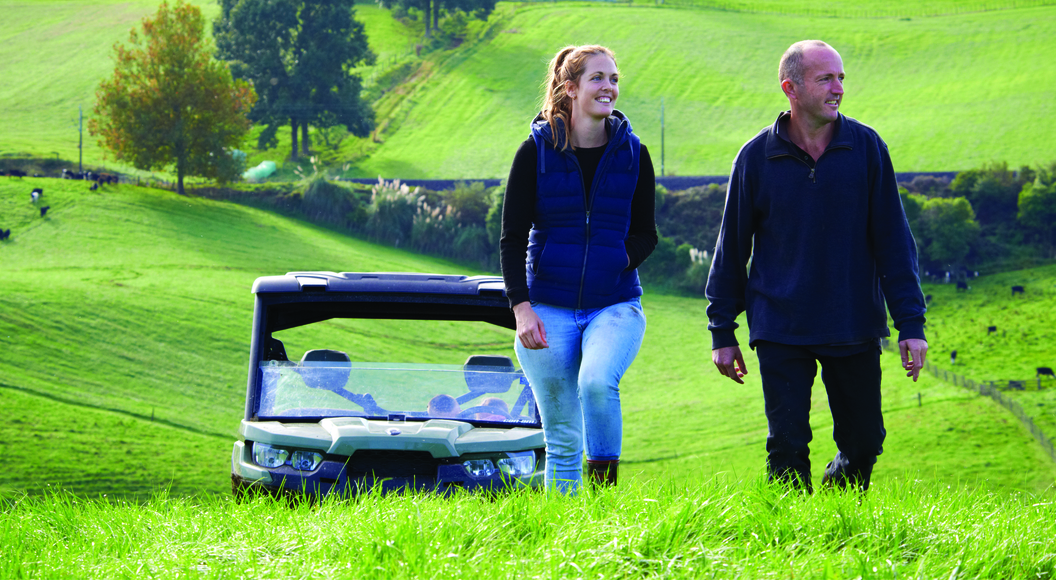
The key to successful spring cropping
Since 2016, Neil and Stacie Fagan have utilised spring sown Cleancrop™ brassicas as part of a programme to control pasture weeds before establishing new pastures in autumn. Cleancrop rape was initially used as a summer feed on their sheep and dairy support block in Te Kuiti, but more recently they...
Video or image
September Wool Report With Grant Edwards and Jamie Mackay
This month's reflection on the wool market has seen a strong growth in terms of sales and as Grant Edwards, PGG Wrightson's GM for wool, explains there is definitely an upwards trend for wool since June-July of this year. The Country's Jamie Mackay spoke with Grant Edwards about the exceptional...
Benefits of hard feed post-weaning
Starch-based calf feed is recognised as beneficial to support rumen development pre-weaning, but is arguably equally important for the four to six weeks post-weaning off milk. A good indicator that calves can be weaned off milk is when hard feed consumption is 1.0 to 1.5 kilograms per head per day...
Video or image

Spring pasture checklist
New pastures are an opportunity to lift farm production and match pasture growth to the stock class you are producing. Taking time to do it well pays off in the long-term. Here are some key things to focus on: The spray-out Good soil moisture is key to strike seed and get any pasture off to a great...
Video or image
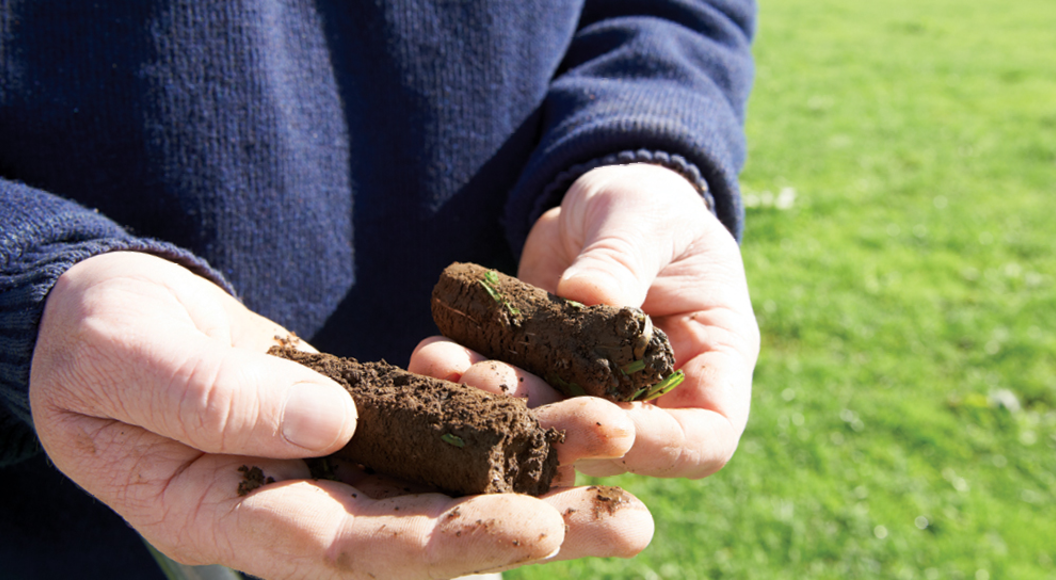
Spring crop paddock selection
Soil testing is an important tool in your cropping calendar. It can be utilised to assist in selecting the correct paddocks to use for high value crops, like fodder beet, and for selecting which paddocks can be planted with a lower value crop in order to start the process of increasing soil...
Video or image
Get the paddock right
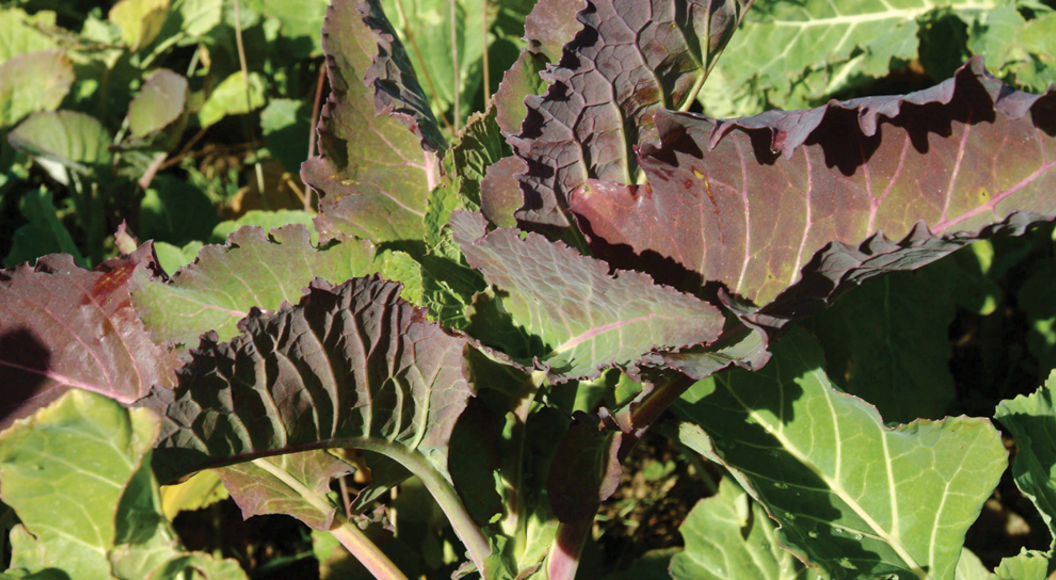
Time spent now selecting and preparing your brassica crop paddock may pay off later. Paddock history, location and soil fertility are just three of the considerations that should be kept in mind when deciding where to grow your next brassica crop. “Be mindful of paddock history with brassicas,” says...
Video or image
Getting it right from day one
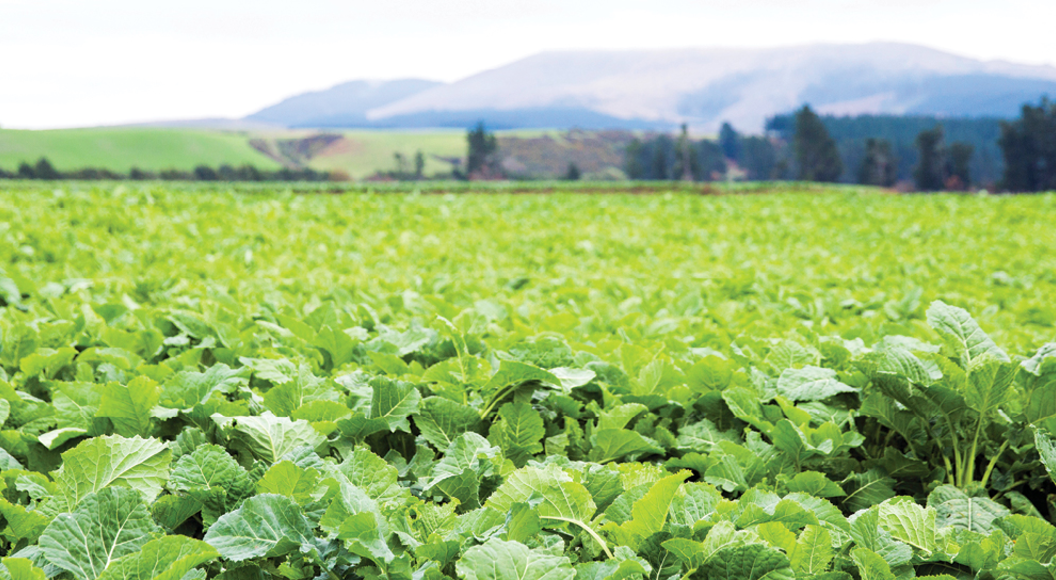
You only get one chance to get a crop in the ground at the right time, and that is the first day you do it. If you have to come back and re-sow, you have lost weeks of productivity and yield. Planning is critical for success. Crop type and time of planting are key, but ask yourself, why do you want...
Video or image

PGG Wrightson Wool on the Daily Report
In a recent interview on Country TV Rob Cochrane discusses the current wool market with Mark Leishman on the Daily Report. Video supplied by countrytv.co.nz.
Video or image

August Wool Report With Grant Edwards and Jamie Mackay
PGG Wrightson GM of Wool, Grant Edwards talks to Jamie McKay about wool and the wool industry.