
Video or image
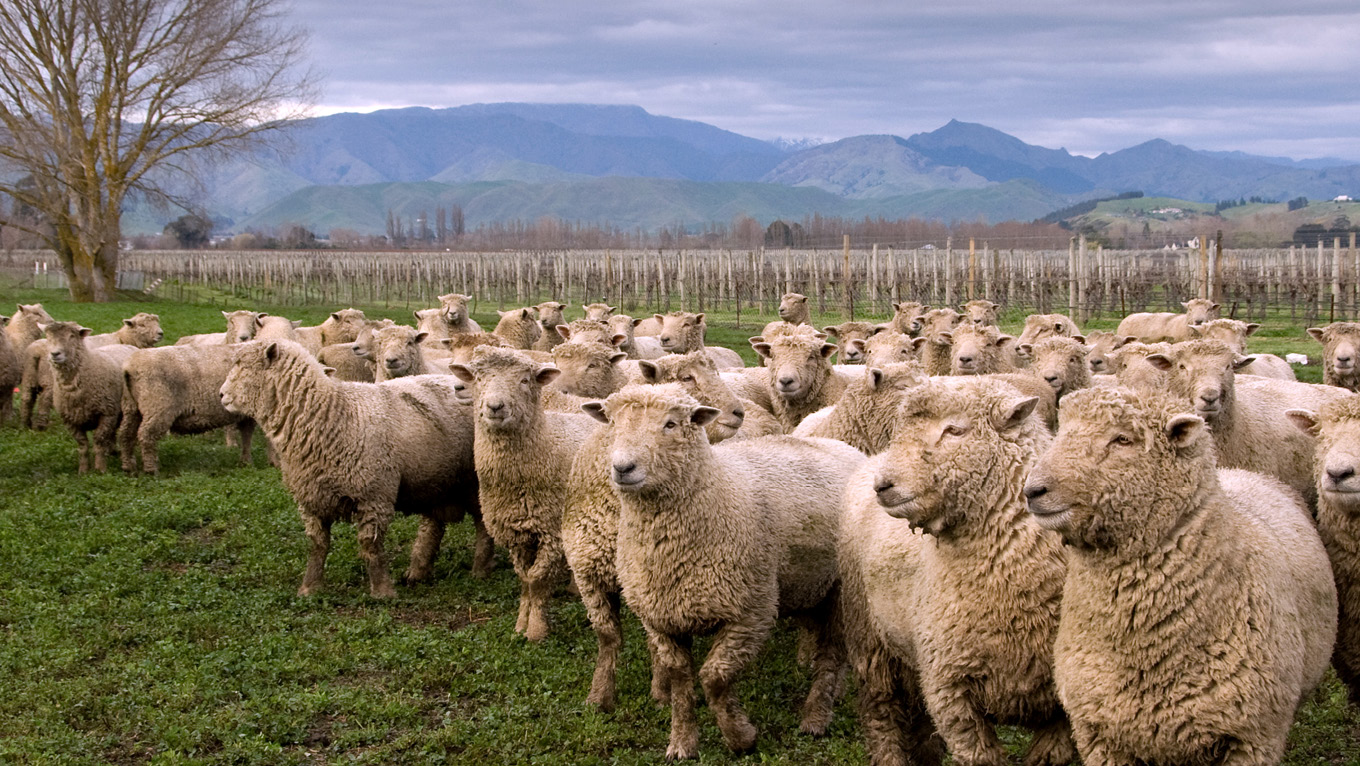
Wool News: Genetics breakthrough on measuring methane levels emitted by sheep
New Zealand farmers are the first in the world able to breed low methane-emitting sheep.
A ten year breeding programme funded by the Pastoral Greenhouse Gas Research Consortium (PGGRC) and the New Zealand Agricultural Greenhouse Gas Research Centre resulted in a breeding value for methane emissions.
AgResearch scientist Dr Suzanne Rowe led the research. She says comparing flocks separated into low and high emitting, on average there was a difference of 11 per cent of methane emitted per unit of feed between high and low methane emitters, with no apparent difference in the health, productivity or profitability of the respective sheep.
“We are seeing more lean growth, carcass yield and wool production in the low methane sheep, without any negative trade-offs.”
This breeding programme, which confirmed methane emissions are heritable, allowed for the establishment of a breeding value for the trait incorporated onto Sheep Improvement Limited database (now nProve) last year.
Stud breeders have embraced the opportunity to measure the methane emissions in their stud animals.
Information from Beef+Lamb New Zealand. More detail:
https://beeflambnz.com/news-views/low-methane-emitting-sheep-reality-nz
Related News
Video or image
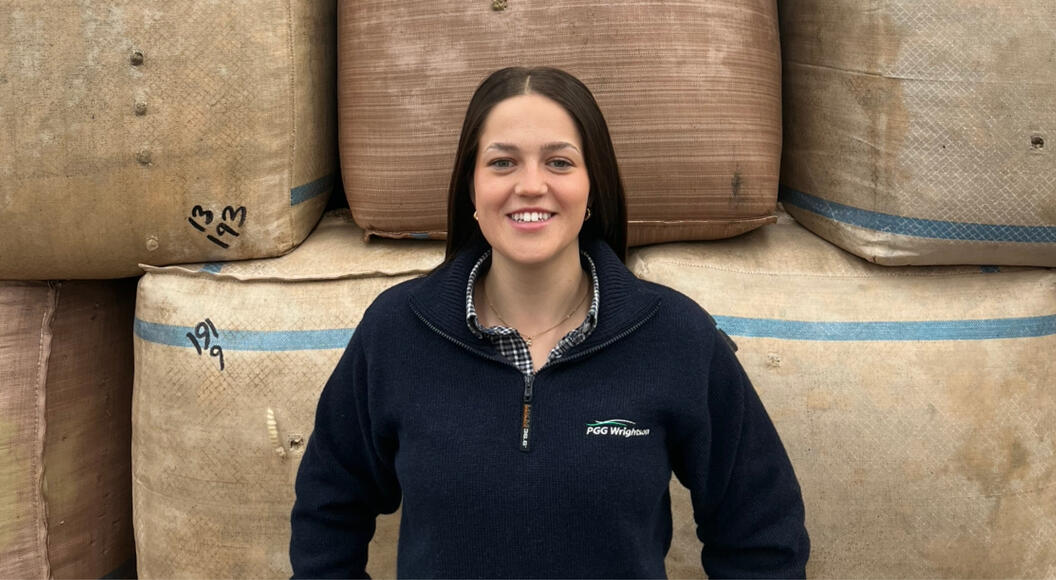
From the woolshed to the road: Carley Pryce steps into her new role as a PGW Wool rep
For Carley Pryce, wool has never been ‘just a job’. It’s been a thread running through her working life since she was a teenager, shaping her skills, her confidence, and her connection to rural New Zealand. Now, after years of building experience across the agricultural sector, Carley has taken the...
Video or image
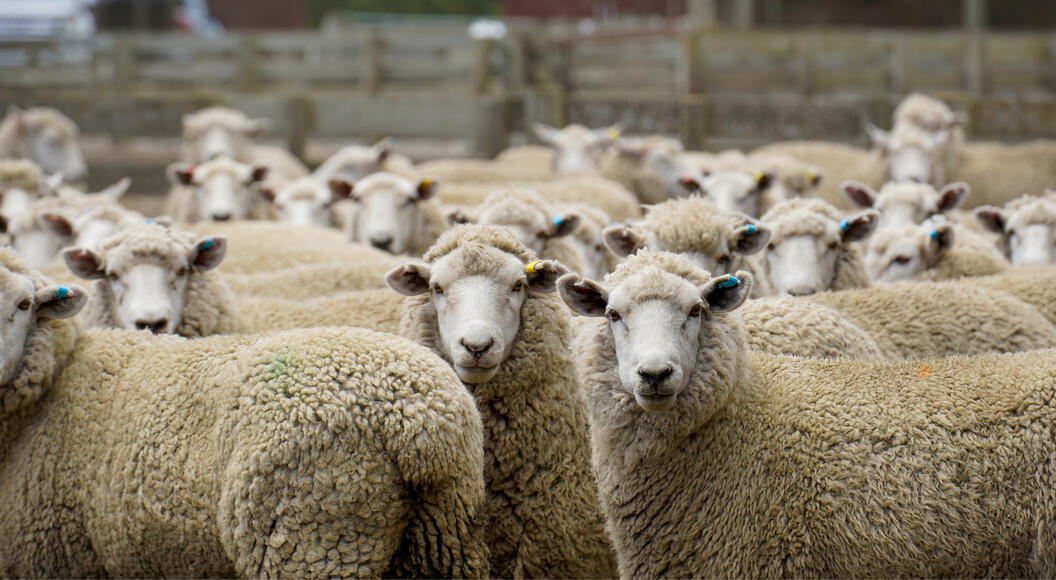
Confidence holds as wool market maintains momentum
After a sustained period of growth, the wool market has continued to hold at significantly improved levels through recent sales. Strong competition and tightening supply are supporting confidence across the sector, with prices paid in the auction room the highest they have been since 2011. The move...
Video or image

7-year-old Clyde student becomes one of New Zealand’s youngest PGW wool clients
A Clyde Primary School project may have launched a future career for seven-year-old student Beau A’Court, as he has become one of New Zealand’s youngest wool clients of PGW - after recently discovering a passion for the fibre and finding an unlikely mentor in wool representative Graeme Bell...
Video or image
From the woolshed to the road: Carley Pryce steps into her new role as a PGW Wool rep
For Carley Pryce, wool has never been ‘just a job’. It’s been a thread running through her working life since she was a teenager, shaping her skills, her confidence, and her connection to rural New Zealand. Now, after years of building experience across the agricultural sector, Carley has taken the...
Video or image
Confidence holds as wool market maintains momentum
After a sustained period of growth, the wool market has continued to hold at significantly improved levels through recent sales. Strong competition and tightening supply are supporting confidence across the sector, with prices paid in the auction room the highest they have been since 2011. The move...
Video or image
7-year-old Clyde student becomes one of New Zealand’s youngest PGW wool clients
A Clyde Primary School project may have launched a future career for seven-year-old student Beau A’Court, as he has become one of New Zealand’s youngest wool clients of PGW - after recently discovering a passion for the fibre and finding an unlikely mentor in wool representative Graeme Bell...