
Video or image
What to Consider When Selling Your Dairy Herd
A herd of dairy cows is one of the most significant assets within a dairy business.
In the current market, strong payout forecasts and renewed sector confidence have created solid demand for quality herds. For farmers considering a sale in the 2026/27 season, conditions are favourable, provided the process is well planned and professionally managed.
PGG Wrightson Livestock National Dairy Specialist Jamie Cunninghame says there are many reasons a farmer may choose to sell.
Whether you are exiting the industry, downsizing, or aiming to raise enough capital to buy a farm, selling a herd is a significant decision.
“Some herds are handed down through the generations. They may have supported a family for decades. For some vendors, it’s an emotional milestone, for others, it’s a strategic business decision,” he says.
Whatever the motivation, once the decision is made, the focus shifts to structure, timing and extracting maximum value from the market.
Understanding Market Timing
Market conditions play a critical role in determining sale outcomes. Current payout forecasts, proactive replacement buying, and tighter supply following empty-rate assessments have all contributed to strong buyer activity.
Prepared sellers who engage early are better positioned to align with buyers seeking forward contract herds or in-calf replacements ahead of the new season.
Choosing the Right Representation
Selecting a livestock representative or agency to guide you through the process should not be undertaken lightly
A conversation between a livestock representative and a farmer interested in selling a herd is not solely about commission or price. The depth of service and expertise provided across the entire transaction should carry equal weight
When considering representation, vendors should ask:
- What networks can you access to identify suitable buyers?
- What dairy-specific expertise do you bring to support the process end-to-end?
- What experience do you have negotiating forward contracts and complex herd sales?
Selling a herd is not the same as shifting culls or trading stock. It requires strategic positioning, negotiation capability, and careful management from appraisal through to delivery.
Jamie and his team of Dairy Specialists have overseen numerous sales of dairy herds. He emphasises that active management, clear communication and close attention to animal welfare are essential to guiding both the vendor and purchaser through the process successfully.
We’re not just here to list the herd, sell it, then walk away. From the initial decision to sell, through to delivery, it takes careful management, communication and attention to animal welfare to achieve the best possible outcome. Sometimes this can take several months to get across the line.
“Selling a herd is a completely different exercise compared to general livestock transactions. While some vendors buy and sell herds more often, for most dairy farmers, selling a herd is not an everyday task. Therefore, does it make sense to give the responsibility to your regular livestock representative, or are you better off engaging someone with specific, relevant expertise?” he says.
Selecting the Appropriate Sale Method
Most dairy herd sales are structured by forward contract and transacted by private treaty. However, each herd and vendor require individual assessment, as alternative options may at times deliver a stronger result.
We treat each herd and owner on a case-by-case basis.
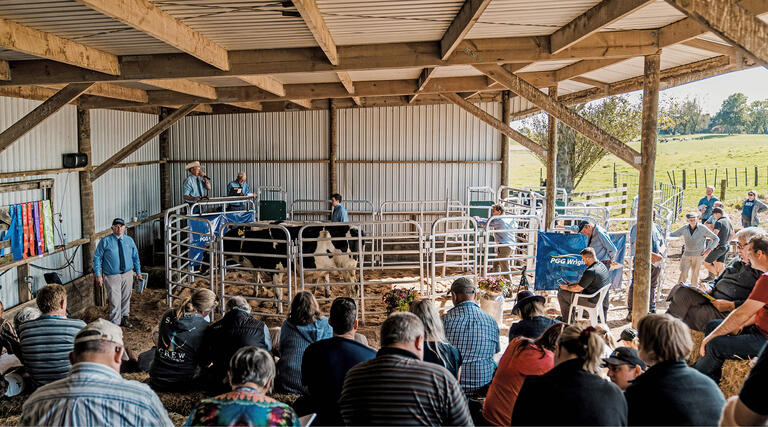
While paddock-to-paddock private treaty sales are common, we also consider clearing sales, auction, bidr, hybrid formats or tender where appropriate,” says Jamie.
Typically, achieving the best financial outcome is the primary objective. Jamie and his team of Dairy Specialists make recommendations on how best to structure the sale, taking into account buyer competition, pricing transparency, risk allocation, herd quality, location, vendor objectives, and prevailing market conditions.
In some cases, less traditional methods may be more appropriate. For example, when working with the vendor of a high-end pedigree herd who wished to sell the herd as a single entity, a sale by tender was recommended. After targeted marketing and careful negotiation, the herd was placed on a forward contract with a purchaser aligned with the vendor’s expectations, delivering a strong outcome.
This level of flexibility allows vendors to match the sale method to both financial and personal objectives.
Positioning Your Herd for Maximum Value
While market conditions matter, presentation and preparation also influence results.
Vendors should consider:
- Herd records and performance data
- Production history and herd testing results
- Compliance and animal health status
- Facility suitability when considering an on-farm clearing sale
- Timing relative to buyer demand
Clear information builds buyer confidence. In competitive situations, well-presented herds supported by transparent records are more likely to attract decisive interest.
In most instances, achieving the strongest possible result is the primary objective.
“Our role is to assess how best to extract optimum value for each individual herd” says Jamie.
Contract Strength and Risk Management
Once a willing buyer and seller are aligned, the transaction is formalised through a contract.
PGG Wrightson’s forward contracts for herd sales have been refined over time and tested through changing industry conditions.
The terms and conditions are designed to protect both vendor and purchaser, even in extreme cases, of which the M Bovis outbreak is the most notable example.
“Sometimes we look at the contract to determine whether anything needs to be changed to pull the deal across the line. Ultimately, that comes down to market conditions. In the current market, any variation is likely to fall in favour of the seller,” says Jamie.
Clear terms, contingency planning and experienced negotiation help ensure agreements remain robust from signing through to delivery.
Delivery and Animal Welfare
With the sale complete, attention turns to delivery.
We can organise transport and provide guidance on preparation ahead of trucking. The MPI ‘Fit for Transport’ app is a useful tool, and we encourage vendors to use it to ensure this final stage proceeds smoothly.
Animal welfare remains a central consideration throughout the process. Proper preparation and communication help minimise stress on stock and ensure the transition to the purchaser’s property is handled professionally.
Planning and Advice Matter
Selling a dairy herd is one of the most consequential transactions within a farming career. Whether driven by succession, restructuring, or capital strategy, the outcome depends on preparation, structure, and experienced advice.
In a market currently favouring proactive vendors, early engagement and strategic positioning can make a meaningful difference to the final result.
If you are considering selling your dairy herd in the coming seasons, contact your local PGG Wrightson Dairy Livestock Representative to begin planning early.
Related News
Video or image
Livestock Report: How GO-STOCK Helps Farmers Grow with Confidence
Strong livestock prices have created opportunities for farmers across New Zealand, but they've also highlighted the importance of having flexible trading options. According to PGG Wrightson National GO-STOCK Manager John O'Neill, livestock values have undergone a significant shift over the past 12...
Video or image
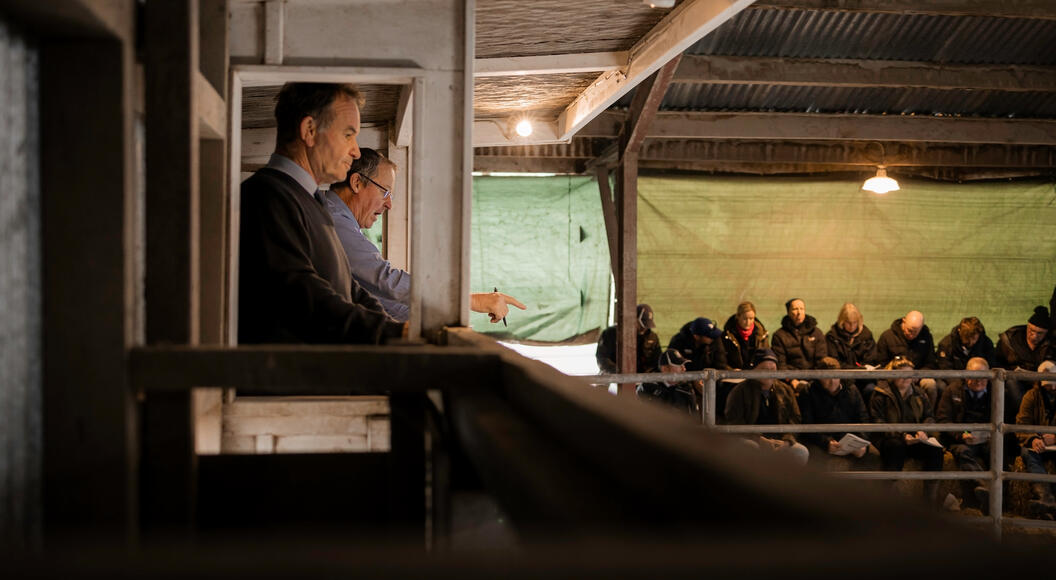
Celebrating 175 Years at Stern Angus with The Country Live
From a partnership spanning 85 years to a milestone 175th anniversary, Stern Angus provides the perfect backdrop for a special live broadcast of The Country. On 7 October, PGG Wrightson will mark a significant milestone, celebrating 175 years of supporting New Zealand farmers and rural communities...
Video or image
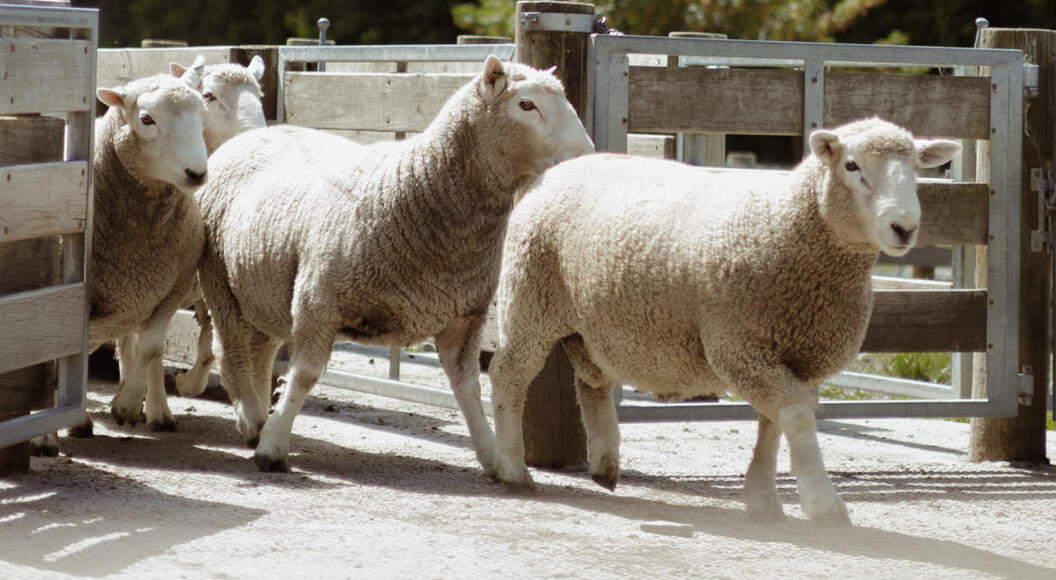
Renowned CHB stud offers first ever on-farm ram auction
With traits to counter FE and worms, Marlow Genetics is preparing a sale catalogue with 30 Romworths and 50 Coopworth rams After 57 years, a prominent Central Hawke’s Bay stud is holding its first ever on farm ram sale. Along with his wife Rosa, in 2023 Jason Wyn-Harris took over Marlow Genetics...
Video or image
Livestock Report: How GO-STOCK Helps Farmers Grow with Confidence
Strong livestock prices have created opportunities for farmers across New Zealand, but they've also highlighted the importance of having flexible trading options. According to PGG Wrightson National GO-STOCK Manager John O'Neill, livestock values have undergone a significant shift over the past 12...
Video or image
Celebrating 175 Years at Stern Angus with The Country Live
From a partnership spanning 85 years to a milestone 175th anniversary, Stern Angus provides the perfect backdrop for a special live broadcast of The Country. On 7 October, PGG Wrightson will mark a significant milestone, celebrating 175 years of supporting New Zealand farmers and rural communities...
Video or image
Renowned CHB stud offers first ever on-farm ram auction
With traits to counter FE and worms, Marlow Genetics is preparing a sale catalogue with 30 Romworths and 50 Coopworth rams After 57 years, a prominent Central Hawke’s Bay stud is holding its first ever on farm ram sale. Along with his wife Rosa, in 2023 Jason Wyn-Harris took over Marlow Genetics...