
Video or image
Stay on target
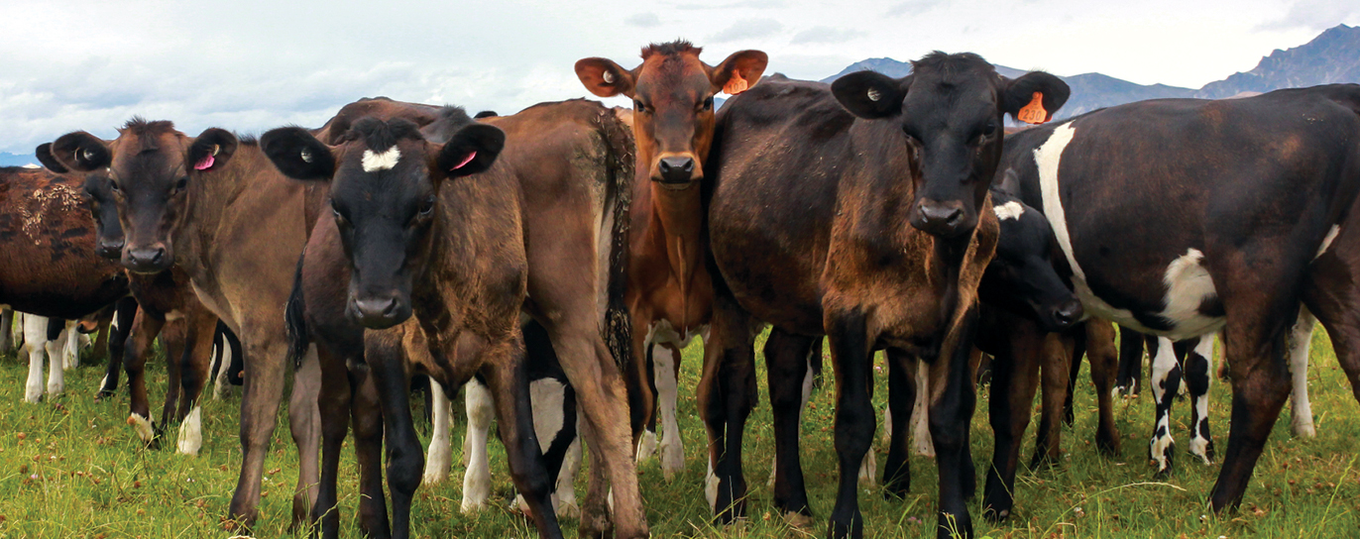
It is time to review your heifer management and determine whether your liveweight targets have been reached.
Nine month old heifers should be 40 percent of adult weight, and pregnant rising two year old heifers should be at 90 percent. Achieving targets now ensures that they reach puberty and cycle well at 15 months or calve down at 24 months in a body condition score of 5.5.
However, approximately 22 percent of heifers in New Zealand fail to reach their target liveweight at 22 months. These animals are disadvantaged in the herd, often leading to early culling.
To reach target requires daily liveweight gain of between 700-800 grams per head per day depending on the mature liveweight, from weaning through until they are two year old heifers. R1 animals in many parts of the country struggle to achieve this liveweight gain in their first summer/autumn, resulting in being more than 30 kg underweight before winter starts.
Contributing factors include a lack of feed quality (enough energy and protein in a balanced diet), parasite challenge and often trace element deficiencies. In some cases, specific diseases cause liveweight loss such as BVD, pneumonia or gastroenteritis, but these almost always are linked to poor immunity from the first three factors.
Monitoring through regular weighing is the key to stay on track and make informed decisions. The old adage of if you don’t look, you don’t know applies really well in this scenario.
Supplementary feed is a good way to correct energy and protein deficits. Identifying the deficits first helps you choose the best supplement.
Parasites in the autumn can be a big problem in both age groups of heifers. Rising one year old heifers are susceptible to all species of worms. Always use a combination product containing levamisole so cooperia worms are treated effectively. The best option would be a triple oral combination product, repeated monthly from now through until mid-winter.
Pregnant rising two year old heifers can also suffer from worms. Ostertagia generally is the main culprit. Products from the mectin family are the best product choice, however consideration must be made for any meat withholds in respect to bobby calves.
Also, if either age group is being shifted from run-offs or coming back from grazing, then a quarantine drench is sensible to ensure that resistant worms don’t return as passengers to the milking platform. A triple combination is best or if facilities don’t allow, then a combination injection or pour on would be the next best option. Keep in mind the withhold period of the product used in the R2 heifers.
Trace element programmes should be monitored via bloods or liver biopsies to check adequate levels and adjust where necessary. The key three elements for growth are selenium, cobalt and copper.
Above all, if the quality or quantity of mpasture/crop available is in question this autumn, then act early to fill deficits and ensure your future herd members stay on track.
To discuss feed requirements, drenching or trace element needs, contact your local PGG Wrightson Technical Field Representative or store.
Related News
Video or image
Time to minimise vegetable matter – and horehound
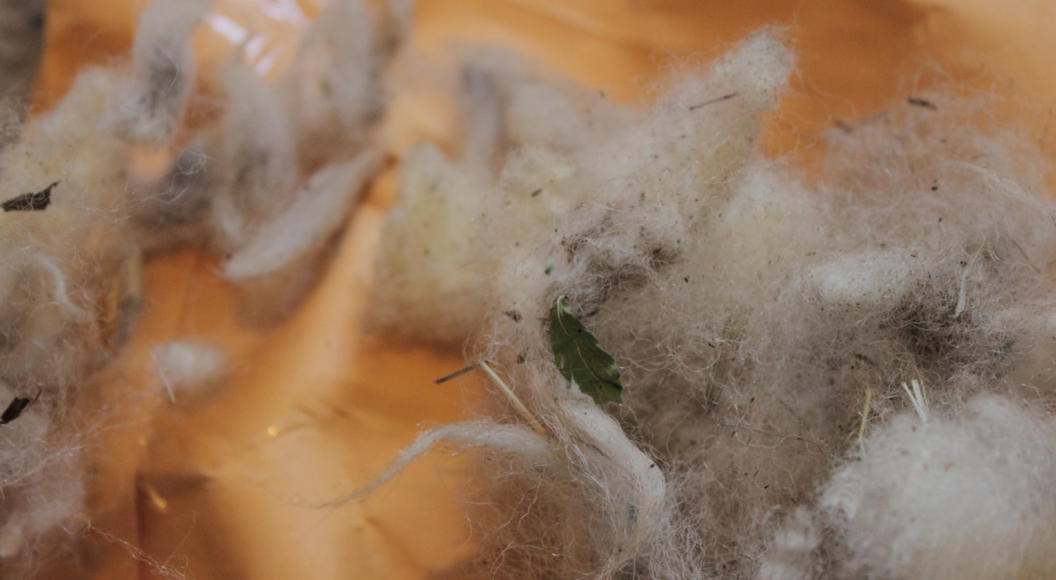
As we progress towards pre-lamb shearing in the coming months, growers need to prepare to minimise VM in the wool they are set to consign. There are two different classes of VM contaminant: most, the likes of hay, manuka leaf, and grass seed, which is relatively easy to remove, washing out of the...
Video or image
Go-Stock provides cashflow solution for young South Canterbury farming couple
Efficient and easy to use option leaves clients free to find better uses for their capital. PGG Wrightson offers an easy solution for on-farm cashflow: Go-Stock. Since 2016 Go-Stock has put 1.55 million lambs and 240,000 cattle onto New Zealand farms. For farmers operating under Go-Stock, PGG...
Video or image
Ram sale season showing red meat's strength
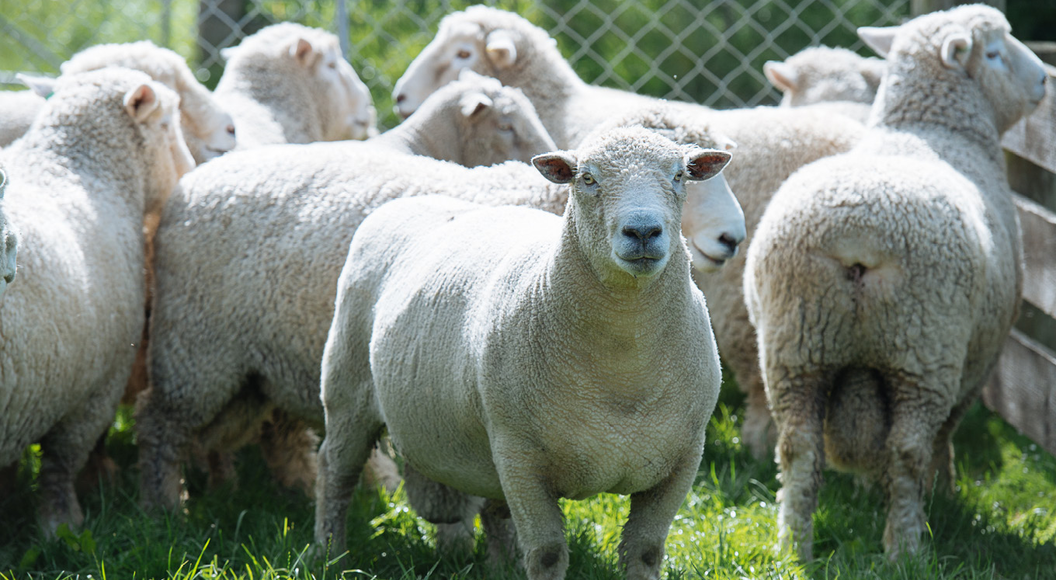
Selections focus on FE, worms, marbling and progeny performance This year's annual ram sale season is underway, showing the current strength of the red meat sector. Clients are focused on genetics resilient or resistant to facial eczema and worms. Eating quality is a critical factor in most...
Video or image
Time to minimise vegetable matter – and horehound
As we progress towards pre-lamb shearing in the coming months, growers need to prepare to minimise VM in the wool they are set to consign. There are two different classes of VM contaminant: most, the likes of hay, manuka leaf, and grass seed, which is relatively easy to remove, washing out of the...
Video or image
Go-Stock provides cashflow solution for young South Canterbury farming couple
Efficient and easy to use option leaves clients free to find better uses for their capital. PGG Wrightson offers an easy solution for on-farm cashflow: Go-Stock. Since 2016 Go-Stock has put 1.55 million lambs and 240,000 cattle onto New Zealand farms. For farmers operating under Go-Stock, PGG...
Video or image
Ram sale season showing red meat's strength
Selections focus on FE, worms, marbling and progeny performance This year's annual ram sale season is underway, showing the current strength of the red meat sector. Clients are focused on genetics resilient or resistant to facial eczema and worms. Eating quality is a critical factor in most...