
Video or image
Slow start to spring and lack of feed holding back South Island livestock markets
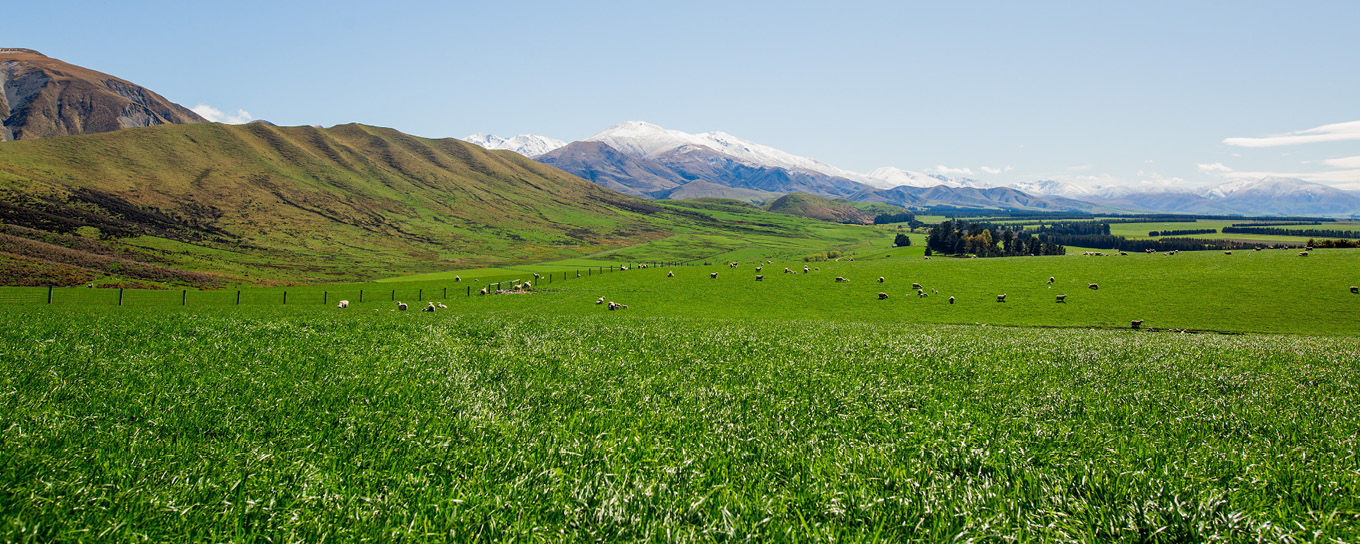
Spring has been slow to arrive in much of the South Island, with a corresponding shortage of available feed dampening livestock markets.
PGG Wrightson South Island Livestock Manager Shane Gerken says pasture production has not yet picked up in districts south of the Waitaki, though in Canterbury and Tasman more favourable growing conditions are starting to stimulate demand.
“While the spring is here in the northern half of the South Island, Southland and Otago have remained unseasonably cold, with little grass growing and insufficient feed to enthuse sheep and beef farmers, who are not committing to livestock purchases, at least not yet.
“We are now right into the dairy bull sales season, which is going well, with good clearances, plenty of bulls sold, and prices remaining close to last year’s record levels.
“Sales of the traditional beef cattle breeds meanwhile, are also reasonably strong, although demand for dairy beef animals is more problematic due to the lack of feed and the consequent lack of buyers. However, that should turn around when the grass starts growing more widely throughout the South Island,” he said.
When that happens positive export market fundamentals should buoy up local demand with overseas consumers influenced by the incidence of African swine flu in China, which by contrast is enhancing the appeal of New Zealand sheep meat and manufacturing beef.
“Prime lambs are in high demand and the schedules are strong as farmers prepare them for processing. Ewes and lambs are also selling well, though the pricing has come back slightly since the start of the season. Once again, available feed is the issue,” says Shane.
PGG Wrightson’s livestock team remains busy fielding calls from farmers interested in bidr, the company’s new online saleyard, which provides a real-time virtual auction facility and access to buyers throughout the country.
“Farmers anticipating the timing of feed availability, when demand for livestock will start to rise, are recognising the benefits of bidr as a smart and responsive way to quickly capitalise on a spring flush of pasture production, which is likely during the next few weeks,” says Shane.
Related News
Video or image
Election uncertainty slows rural property market, but dairy demand stays strong
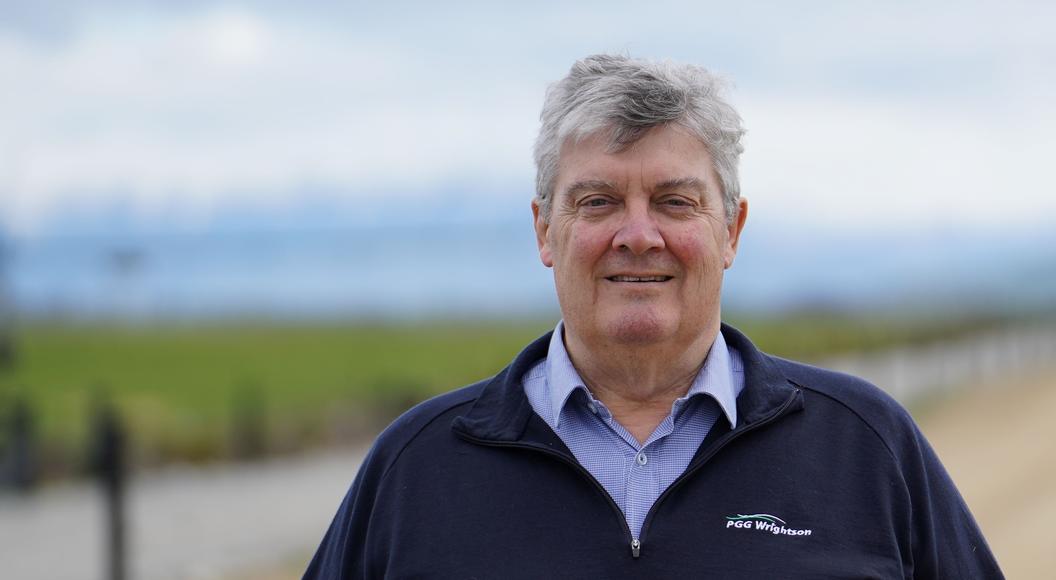
Rural property buyers and sellers are taking a wait-and-see approach ahead of the election, says PGG Wrightson General Manager, Livestock & Real Estate, Peter Newbold. “I think if you go to lifestyle and residential, definitely it is having a bearing,” Newbold told The Country’s Jamie Mackay. “Rural...
Video or image
Livestock Report: How GO-STOCK Helps Farmers Grow with Confidence
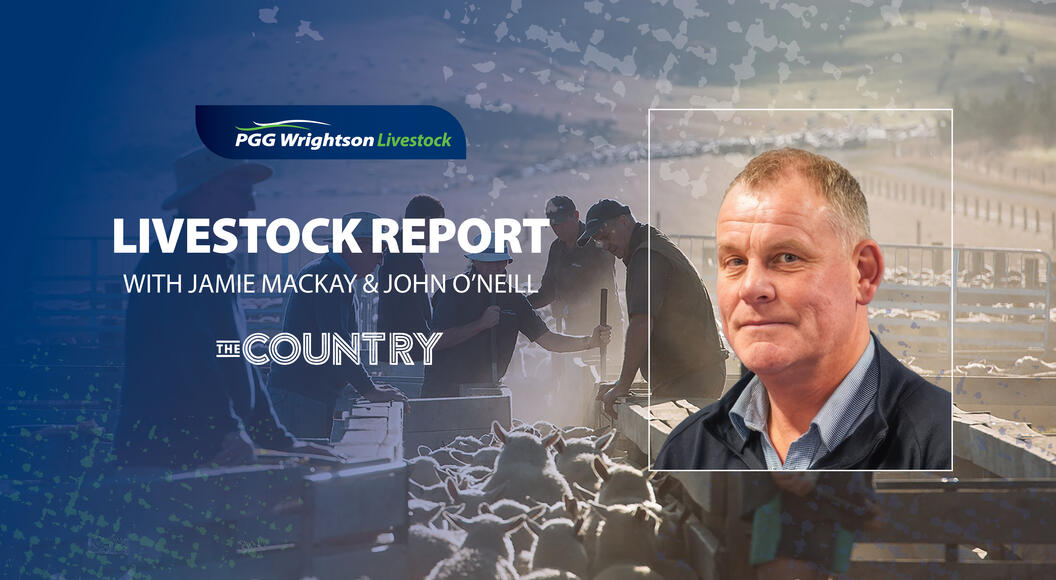
Strong livestock prices have created opportunities for farmers across New Zealand, but they've also highlighted the importance of having flexible trading options. According to PGG Wrightson National GO-STOCK Manager John O'Neill, livestock values have undergone a significant shift over the past 12...
Video or image
Strong dairy demand continues to support New Zealand rural property market
Strong demand for dairy farms is continuing to underpin New Zealand’s rural property market, says PGG Wrightson General Manager Livestock & Real Estate Peter Newbold. Newbold said Canterbury dairy properties were selling for as much as $89,000 a hectare, with others fetching prices in the high $70...
Video or image
Election uncertainty slows rural property market, but dairy demand stays strong
Rural property buyers and sellers are taking a wait-and-see approach ahead of the election, says PGG Wrightson General Manager, Livestock & Real Estate, Peter Newbold. “I think if you go to lifestyle and residential, definitely it is having a bearing,” Newbold told The Country’s Jamie Mackay. “Rural...
Video or image
Livestock Report: How GO-STOCK Helps Farmers Grow with Confidence
Strong livestock prices have created opportunities for farmers across New Zealand, but they've also highlighted the importance of having flexible trading options. According to PGG Wrightson National GO-STOCK Manager John O'Neill, livestock values have undergone a significant shift over the past 12...
Video or image
Strong dairy demand continues to support New Zealand rural property market
Strong demand for dairy farms is continuing to underpin New Zealand’s rural property market, says PGG Wrightson General Manager Livestock & Real Estate Peter Newbold. Newbold said Canterbury dairy properties were selling for as much as $89,000 a hectare, with others fetching prices in the high $70...