
Video or image
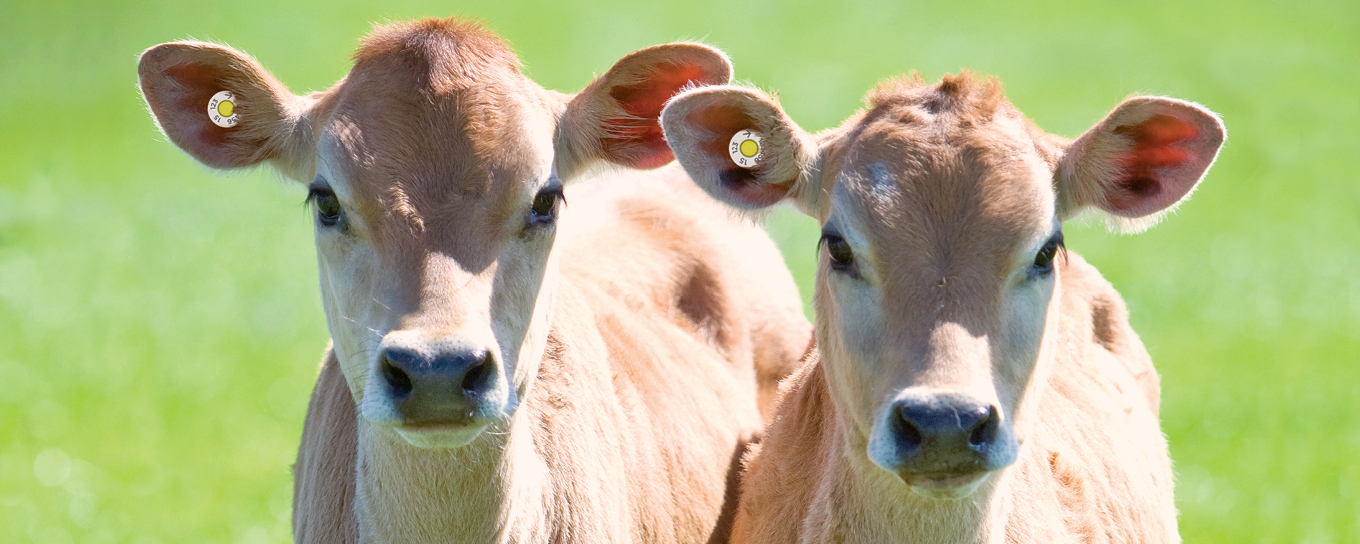
Risk Management Strategies for this Calf Rearing Season
With the current outbreak of Mycoplasma bovis (M.bovis) occurring in many districts throughout the country, an increased awareness of the impact of this disease and the potential changes required in calf rearing systems is important.
M.bovis is a disease in cattle only, caused by a particular bacteria-like organism called a mycoplasma. Several clinical disease syndromes occur such as multi quarter non-responsive mastitis, lameness with swollen joints, late pregnancy abortions, weak calves, calves with nervous disorders including middle ear disease (circling/head tilting), and pneumonia.
The M.bovis organism does not survive long outside the animal. The main way of spreading the disease is through direct or very close contact of cattle, or in the case of calves being fed milk that contains the organism.
If you are a dairy farmer and run a closed system where no off-farm grazing occurs and have had a clear milk test, then your risk would be considered low and the continued feeding of your spare milk to your heifer calves would be deemed fine. Don’t feed milk from the sick or penicillin mob. However, if your system involves multiple herds, movement of cows between platforms or winter grazing where potential mixing of cattle with unknown status occurs, then potential disease may occur and spare whole milk being fed to calves could be a risk.
So what can you do?
The principles of feeding high quality colostrum initially in the first 12 to 24 hours of life still apply, as the benefits from the absorption of antibodies that protect the newborn calves against general disease is essential for the development of a healthy calf. Only collect colostrum from healthy cows with none of the mentioned symptoms. In a perfect system, this colostrum would be pasteurised which does occur overseas. After colostrum has been given, using Calf Milk Replacer (CMR) to rear the heifer replacements should be considered a risk management strategy. CMRs have been heat treated and thus M.bovis spread will not occur. Bobby calves going to slaughter could be given the
spare whole milk.
For calf rearers buying calves this season to rear on another property, it would be deemed best practice to enquire from the dairy farmer the M.bovis status of their herd. Also, buying or using spare whole milk should not be done as this is the most likely source of getting M.bovis in your young bull or beef calves.
Other risk management strategies are to source calves from preferably only a single farm. If sourcing from multiple sources, know their status prior to getting calves. Keep NAIT records up-to-date as soon as possible when animals are shifted.
For further information on M.bovis, visit the MPI, DairyNZ or Beef + Lamb New Zealand websites. To discuss calf rearing milk replacer options, contact your local PGG Wrightson Technical Field Representative or local store team.
Related News
Video or image
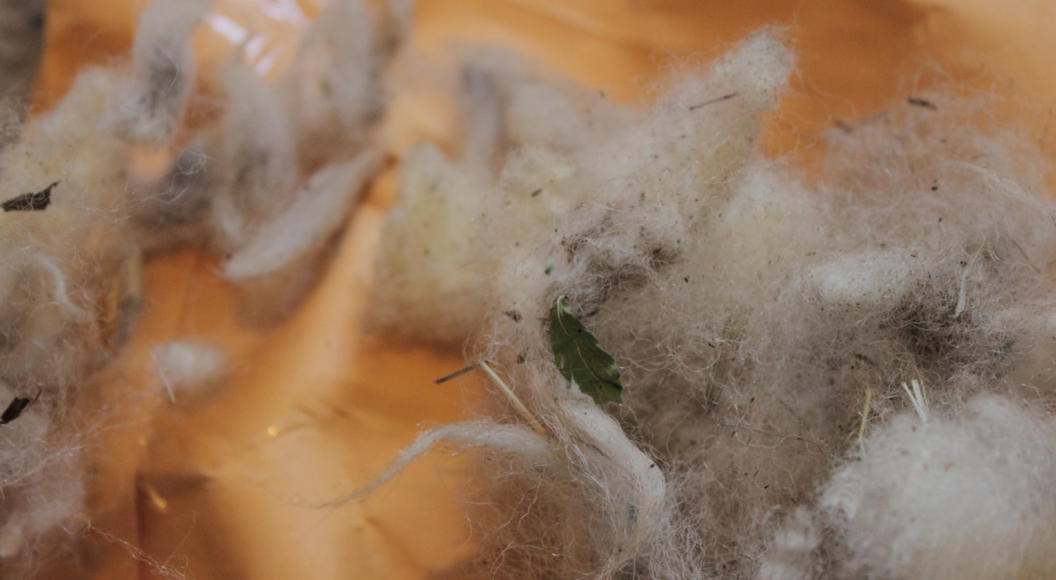
Time to minimise vegetable matter – and horehound
As we progress towards pre-lamb shearing in the coming months, growers need to prepare to minimise VM in the wool they are set to consign. There are two different classes of VM contaminant: most, the likes of hay, manuka leaf, and grass seed, which is relatively easy to remove, washing out of the...
Video or image
Go-Stock provides cashflow solution for young South Canterbury farming couple
Efficient and easy to use option leaves clients free to find better uses for their capital. PGG Wrightson offers an easy solution for on-farm cashflow: Go-Stock. Since 2016 Go-Stock has put 1.55 million lambs and 240,000 cattle onto New Zealand farms. For farmers operating under Go-Stock, PGG...
Video or image
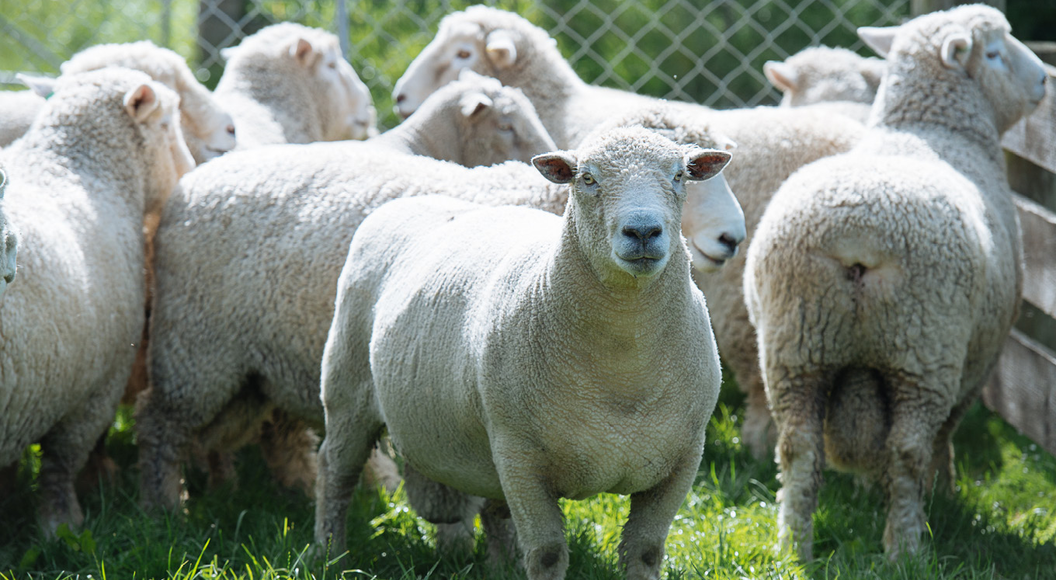
Ram sale season showing red meat's strength
Selections focus on FE, worms, marbling and progeny performance This year's annual ram sale season is underway, showing the current strength of the red meat sector. Clients are focused on genetics resilient or resistant to facial eczema and worms. Eating quality is a critical factor in most...
Video or image
Time to minimise vegetable matter – and horehound
As we progress towards pre-lamb shearing in the coming months, growers need to prepare to minimise VM in the wool they are set to consign. There are two different classes of VM contaminant: most, the likes of hay, manuka leaf, and grass seed, which is relatively easy to remove, washing out of the...
Video or image
Go-Stock provides cashflow solution for young South Canterbury farming couple
Efficient and easy to use option leaves clients free to find better uses for their capital. PGG Wrightson offers an easy solution for on-farm cashflow: Go-Stock. Since 2016 Go-Stock has put 1.55 million lambs and 240,000 cattle onto New Zealand farms. For farmers operating under Go-Stock, PGG...
Video or image
Ram sale season showing red meat's strength
Selections focus on FE, worms, marbling and progeny performance This year's annual ram sale season is underway, showing the current strength of the red meat sector. Clients are focused on genetics resilient or resistant to facial eczema and worms. Eating quality is a critical factor in most...