
Video or image
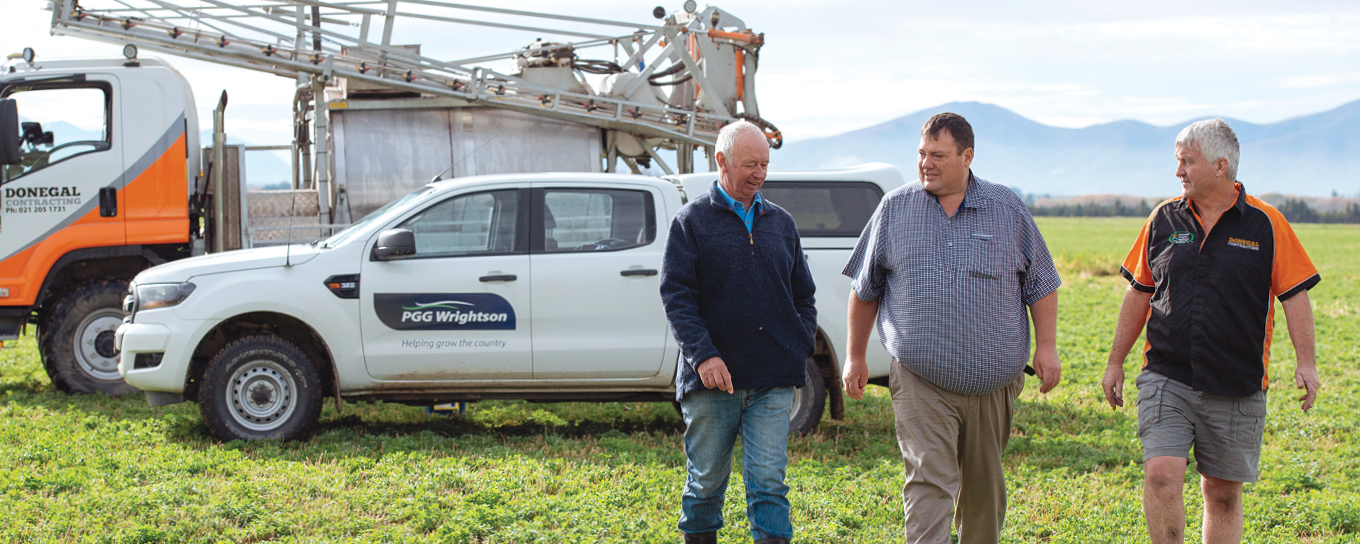
How to ensure a profitable lucerne stand
When it comes to weed control in lucerne, there’s really only one option says Central Otago Farmer, Barry Smith. And that’s to spray Gramoxone® 250 during winter months when the crop is dormant.
Lucerne is a highly nutritious feed which supports excellent stock growth rates in spring and summer. It has a reputation as a challenging crop to manage. However, by following some basic guidelines, it is possible to grow a successful stand.
Barry grows about 100 ha of lucerne on his sheep and beef property in the Maniototo area, which is in Central Otago. He works with Spray Contractor, Richard Mulholland from Donegal Contracting and PGG Wrightson Technical Field Representative, John Kreft.
“Profitable lucerne production is based on a rapidly growing, dense stand” explains John. “Lucerne does not tolerate competition from weeds, so winter weed spraying is essential to maintain longevity and maximise the production of high quality feed.
“We always recommend Gramoxone 250 because it’s been used for years and it works well. It eliminates most weeds for a clean paddock.”
Syngenta Gramoxone 250 is a non-selective, non-residual contact herbicide. It is normally applied to lucerne at a rate of 2.4 L per ha and often combined with a residual herbicide (atrazine) to increase residual.
“Only established paddocks (stands that are one year old or more) should be sprayed with the combination of Gramaxone 250 plus atrazine” continues John. “Winter is the best time, when the lucerne is dormant, usually from early July through to September.
“Prior to spraying, the crop should be grazed firmly to remove excess lucerne and weed foliage. More bare soil showing results in better residual control.”
It is advisable to allow 10 to 14 days between grazing and spraying, as dirty foliage will deactivate Gramoxone 250.
Spray Contractor Richard has worked with Gramoxone 250 since the early 1980s. He agrees that it is the only option for effective weed management in lucerne. And they cover around 5,000 to 6,000 ha of lucerne each year.
"We’ve tried different products over the years, but nothing seems to have the same quick burn off that Gramoxone 250 provides” explains Richard. “Gramoxone 250 is cost-effective because it does what it’s supposed to. Many farmers only use it every second year as a result."
Barry sprays approximately half of his crop (50 ha) each year. Both Richard and Barry rely on PGG Wrightson to supply the products they require and they’ve worked closely with John for over 10 years. “John is very helpful and approachable. Getting what we need from PGG Wrightson when we need it is never a problem” confirms Barry.
It is important to ensure you are using the right herbicide and application rates. Contact your local PGG Wrightson Technical Field Representative to check your lucerne paddocks and provide you with the right advice.
Article sponsored by Syngenta
Related News
Video or image

Final Five in the Young Horticulturist of the Year 2024 Competition
The stakes are high for the five finalists in the Young Horticulturist of the Year awards, who met last week for an orientation day in the lead-up to the finals. The competition aims to encourage young people in horticulture to develop their skills and knowledge further and build connections with...
Video or image
3 Kings Cherries Reigns Supreme
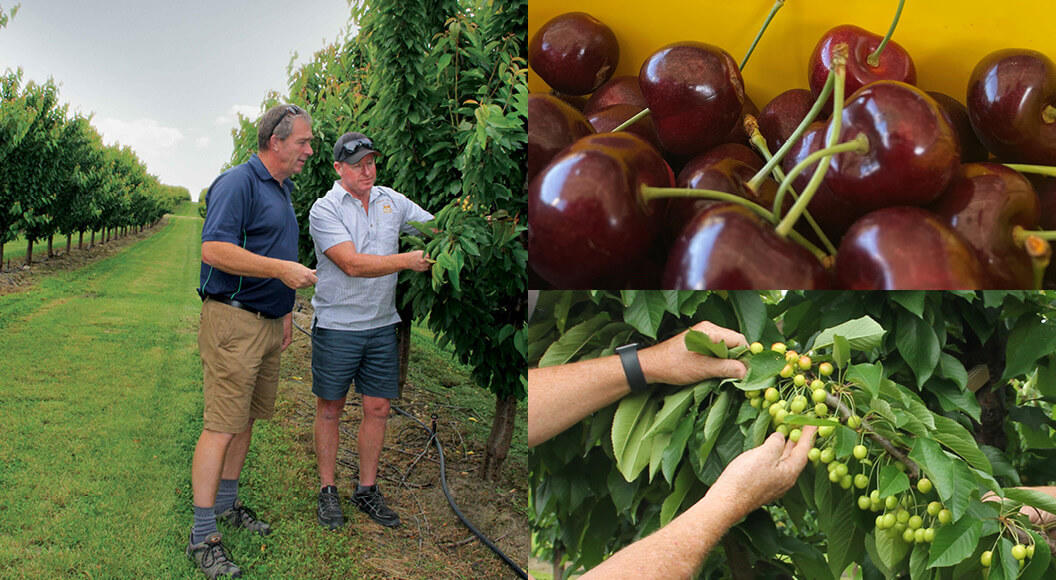
Pictured: Fruitfed Supplies Technical Horticultural Representative, Blair Deaker, assesses potential fruit drop in the cherries with Tim Paulin, Managing Director of 3 Kings Cherries near Dunstan, Central Otago. The 'Three Kings' rock formations sit on the mountains above the Clutha River and...
Video or image
Premium Bay of Plenty kiwifruit listings could exceed $100 million
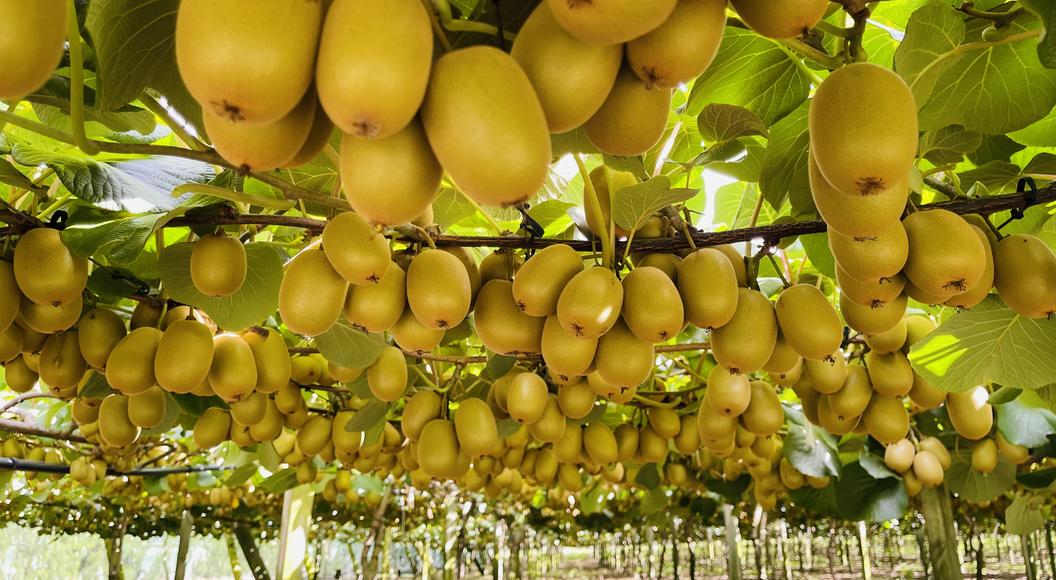
Several desirable Bay of Plenty kiwifruit properties have listed for sale recently and are set to change hands for a combined value that could exceed $100 million. Stan Robb and Dave McLaren of PGG Wrightson Real Estate, Te Puke have listed 10 orchards between them this month. Comprising some 67...
Video or image
Final Five in the Young Horticulturist of the Year 2024 Competition
The stakes are high for the five finalists in the Young Horticulturist of the Year awards, who met last week for an orientation day in the lead-up to the finals. The competition aims to encourage young people in horticulture to develop their skills and knowledge further and build connections with...
Video or image
3 Kings Cherries Reigns Supreme
Pictured: Fruitfed Supplies Technical Horticultural Representative, Blair Deaker, assesses potential fruit drop in the cherries with Tim Paulin, Managing Director of 3 Kings Cherries near Dunstan, Central Otago. The 'Three Kings' rock formations sit on the mountains above the Clutha River and...
Video or image
Premium Bay of Plenty kiwifruit listings could exceed $100 million
Several desirable Bay of Plenty kiwifruit properties have listed for sale recently and are set to change hands for a combined value that could exceed $100 million. Stan Robb and Dave McLaren of PGG Wrightson Real Estate, Te Puke have listed 10 orchards between them this month. Comprising some 67...