
Video or image
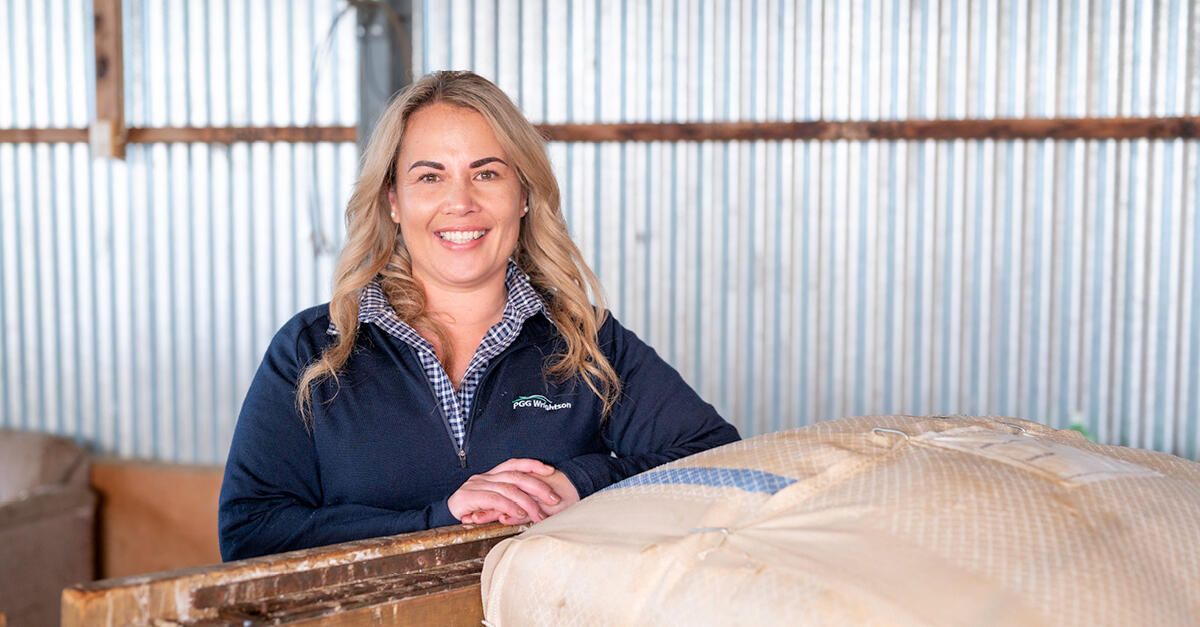
Home and away - those shearing and sharing the wool industry here in New Zealand and abroad
An innately human characteristic, passion is something that can’t be taught. And it just so happens that for Tara Marshall, her passion is wool, and the industry that surrounds it.
Growing up on her grandfather’s 1000 hectare farm north of Taumarunui, there may be an element of not having any choice that wool would be in her blood - but no one becomes qualified as a shearing/woolhandling competition judge without choosing to, and putting in all the hard yards that comes with such a prestigious responsibility.
“I remember being so scared for my first training day and I expected it to take around three years to achieve. Then within a year it was announced that I had passed and I was so surprised. I said, teary-eyed, to the person who nominated me ‘how did I get it so quickly’ and he said ‘because you know wool, that’s it. No one could second guess you.’”
And the main reason Tara put her hand up for the role? To give back to the industry. An industry where her own daughters are now competing, doing shows and winning, just like she did back in the day.
It’s been a tricky three years since Tara first started working for PGG Wrightson as a North Island wool rep, with a few health issues getting in the way. But that hasn’t stopped her setting goals, and now she’s been through this journey, it’s allowed her to double-down on her purpose, with a firm focus to help her clients.
“My point of difference as a wool broker is to educate. These are the same intentions as when I first started and it has certainly helped to grow my business. I want farmers to know the value of their wool, to understand test results and what it means for them. It’s educating on why the yields can be different and why the colour is - and have them asking me ‘what is the price of my wool doing?’.
“And all of the work has been worth it. The farmers have learnt to trust in what I’m advising them, which is fantastic. It certainly feels good to know you’ve built these relationships just by being who you are.”
There’s also plenty of education happening in the wool shed, with Tara aiming to be at every shearing she can to support the wool handlers, sharing her expertise when and where it’s needed.
“I let the head wool handlers do the teaching and I’ll do the why. That’s because I can’t be everywhere, so it’s about letting them have that control and confidence to lead. It’s also important to take them to the next step where possible - the scourers and testing house. Then they can be advising the farmers too. All that knowledge is helpful to be better and do better.
“I make sure I keep myself open and available to every aspect. When market indicators change, I write a spiel. On the contractors work line, I meet up with them prior to the main shearers starting, and at the end of the day they know they can come to me anytime.”
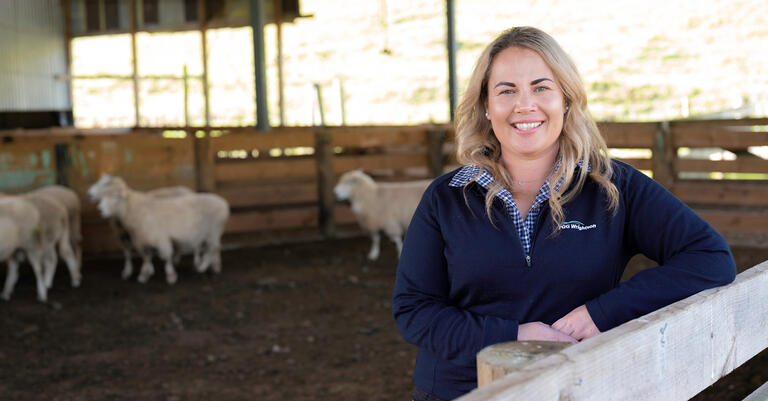
Even outside of her role at PGG, Tara is guiding others, including the next generation of those in the wool industry. Most recently was a mentor at the Waikato University for the Young Enterprise Challenge, with students from all around the Waikato region. She was tasked to share her knowledge and experience with a group assigned to her, and was keen to make sure they came out tops.
“I took along a whole heap of samples of wool, merino, blankets, Lanolin - all of these products so they could have a play and understand the difference between them all and the value of merino wool.
“They then had to come up with their own product concept using wool and it was just so interesting to see what ideas they had. It was really rewarding and what was so obvious by the end of the session was that the wool group was so engaged. What I put in front of them and the story I told, it made an impact.”
Tara is also proud of seeing more women coming into the industry and there is certainly the potential for her influence having something to do with it, especially in her local region.
“From time-to-time I do get comments from other women saying that they see me doing what I do, and that it gave them the strength to know they could do it too. I also get quite a lot of people going ‘how do we do your job?’ because I make it look fun! So I have those conversations with those who see their future in wool. They ask ‘what did you need’ and I just say it’s about always challenging myself to the next stage.
“I’ve always upskilled myself through education and it’s about how far an individual wants to take it. I’m just a person in the industry, but I always do my best to grow - and ‘glow’ while I’m doing it.”
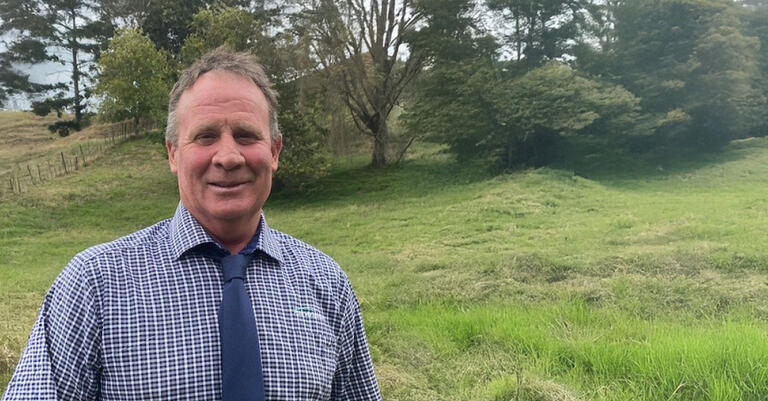
Another of PGG Wrightson’s reps, Ross MacDonald, has had his fair share of notoriety, with good reason. For the vast majority of the last 30 years, Ross has been entertaining and educating crowds right across Japan with his New Zealand rural shows.
“In the early 90s I was sheep shearing on the show circuit around New Zealand and overseas when I was approached by the Agrodome in Rotorua to help with a couple of rural shows over there. Then after about five or so years, we started working on our own series of shows.”
Humble in his and his wife Janis’ achievements, at a push you can get a few key milestones from Ross, most notably that they were able to build such a successful business in Japan, but also the fact he has performed in front of thousands of people - something that was certainly not on his radar as a kid exploring the hills in the back of PioPio. Ross is also proud of those who have come on the journey with them.
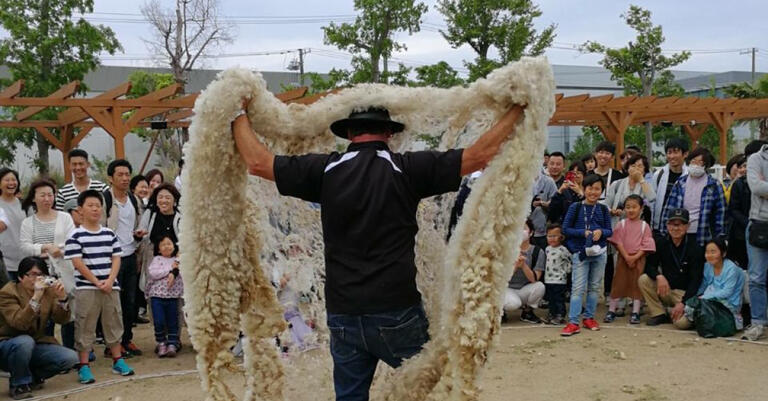
“We have employed over 50 kiwi shepherds and shearers as entertainers for our New Zealand farm shows and it has been so satisfying to train and see them grow as entertainers and people.
“Presenting shows in venues like the World Trade Centre, Osaka, the New Zealand Embassy in Tokyo and on the top of a high rise building in central Tokyo have been some of the highlights.”
With sheep shearing always the favourite of the farm shows, showcasing the natural ability and skills of New Zealand farm dogs is always popular too. And then there’s an element of promoting the benefits of wool. Ross says that most Japanese would not have seen shearing live, so being able to demonstrate and tell New Zealand’s wool story to thousands of spectators has been very rewarding.
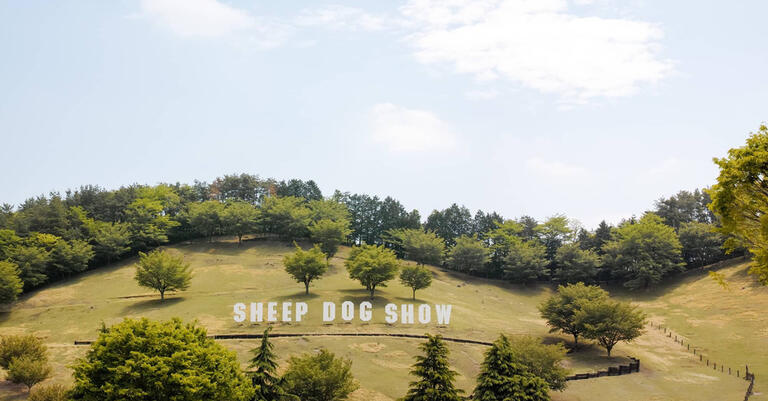
“Our farm shows put a slice of rural New Zealand life in front of the Japanese public in a fun and informative way. The audiences leave the show thoroughly entertained and quite often with a piece of wool in their pockets as a souvenir.”
Ross has watched sheep numbers decline over his years in the industry with a more of a move towards beef and forestry. And while it’s no secret that wool is such a fantastic natural product, he says it’s a shame it is not recognised and utilised in more ways. But he does see interest picking up in other notable areas.
“The growing profile of New Zealand shearers and woolhandlers through mainstream and social media has definitely helped to highlight the industry.”
—
Through two unassuming kiwis simply doing their job each day, more people get to hear about wool and how it positively impacts on the world around us. And for all of us here at PGW Wool, there’s no better story than that.

Related News
Video or image
The road to Golden Shears starts again
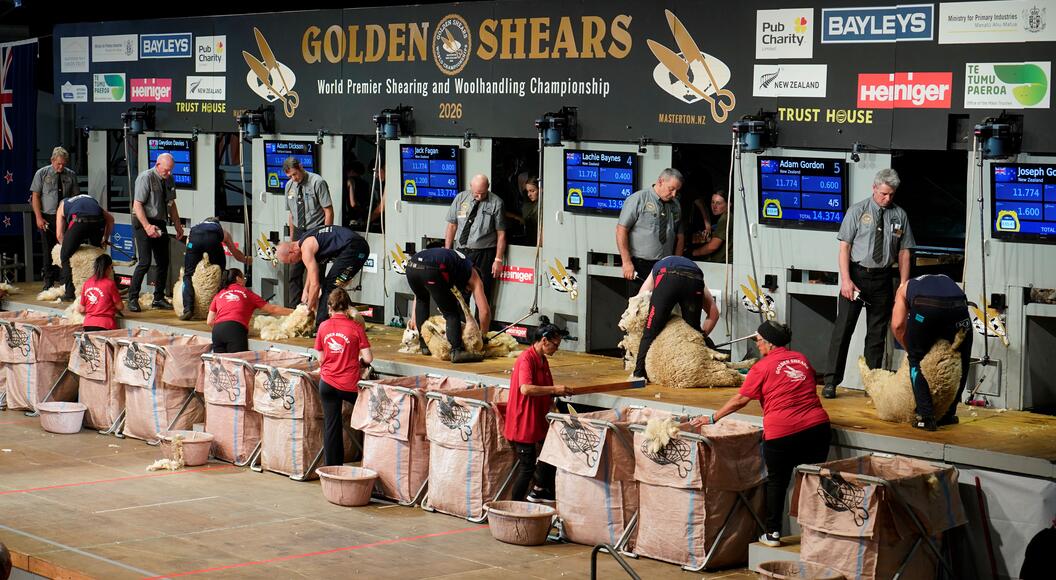
A new season of the PGG Wrightson / Vetmed National Shearing Circuit gets underway in October, setting some of New Zealand’s best shearers on a five-round journey that will test their skill across the country and across five different wool types. The first points of the 2026/27 PGG Wrightson /...
Video or image
Australian buyers add heat as wool market regains confidence
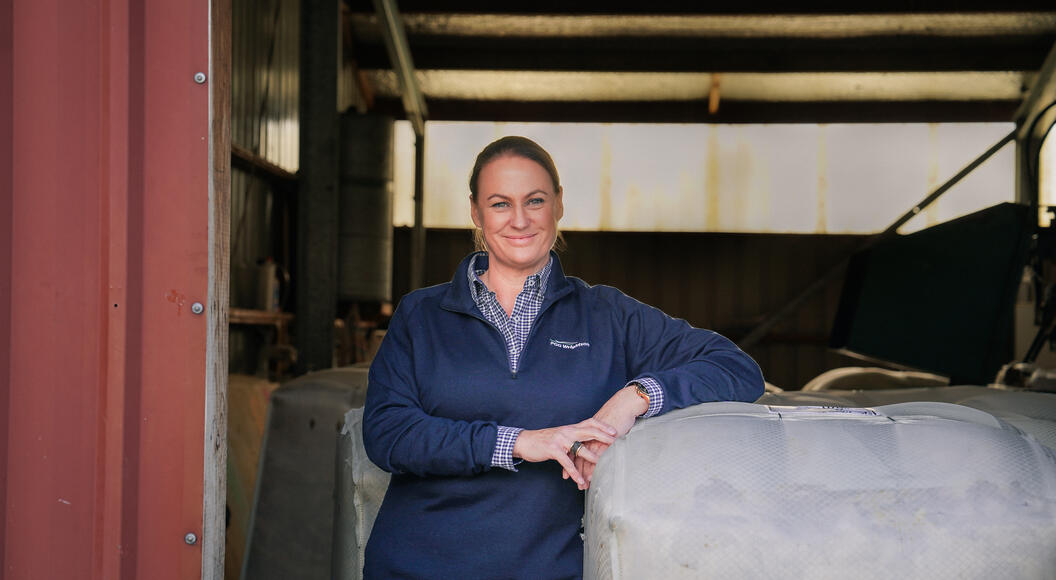
Rachel Shearer, General Manager of PGW Wool, speaks with Hamish McKay from The Country about renewed competition at auction, strong wool prices and the factors shaping the longer-term outlook for New Zealand wool. Competition returned to the wool auction room in August, with increased buyer activity...
Video or image
Wool market eases as global buyers pause
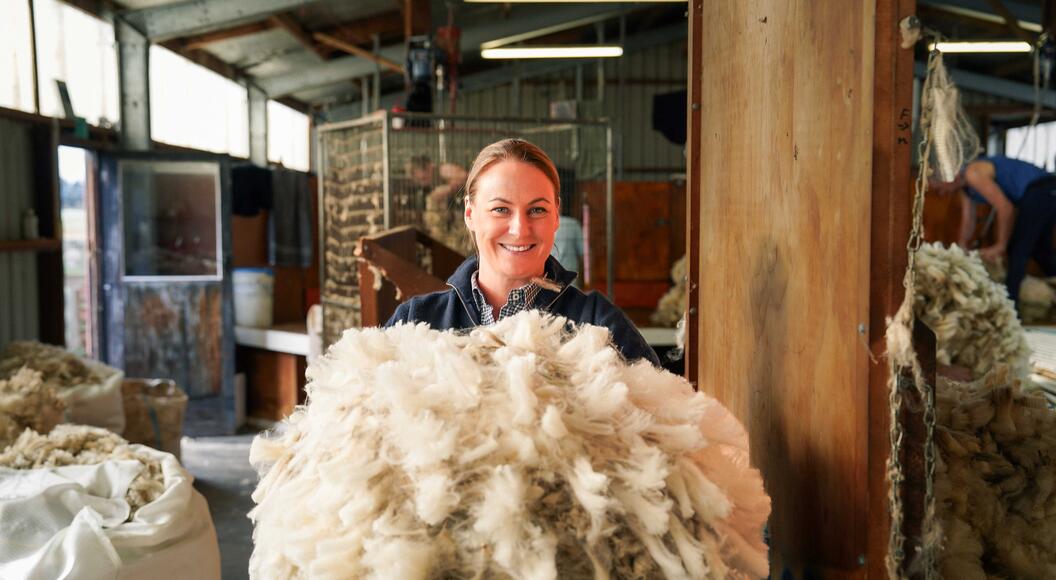
Rachel Shearer, General Manager of PGW Wool, speaks with Jamie Mackay from The Country about recent market movements, global demand, and why the long-term outlook for wool remains positive. After several months of exceptional growth, the strong wool market has eased as major global buyers step back...
Video or image
The road to Golden Shears starts again
A new season of the PGG Wrightson / Vetmed National Shearing Circuit gets underway in October, setting some of New Zealand’s best shearers on a five-round journey that will test their skill across the country and across five different wool types. The first points of the 2026/27 PGG Wrightson /...
Video or image
Australian buyers add heat as wool market regains confidence
Rachel Shearer, General Manager of PGW Wool, speaks with Hamish McKay from The Country about renewed competition at auction, strong wool prices and the factors shaping the longer-term outlook for New Zealand wool. Competition returned to the wool auction room in August, with increased buyer activity...
Video or image
Wool market eases as global buyers pause
Rachel Shearer, General Manager of PGW Wool, speaks with Jamie Mackay from The Country about recent market movements, global demand, and why the long-term outlook for wool remains positive. After several months of exceptional growth, the strong wool market has eased as major global buyers step back...