
Video or image
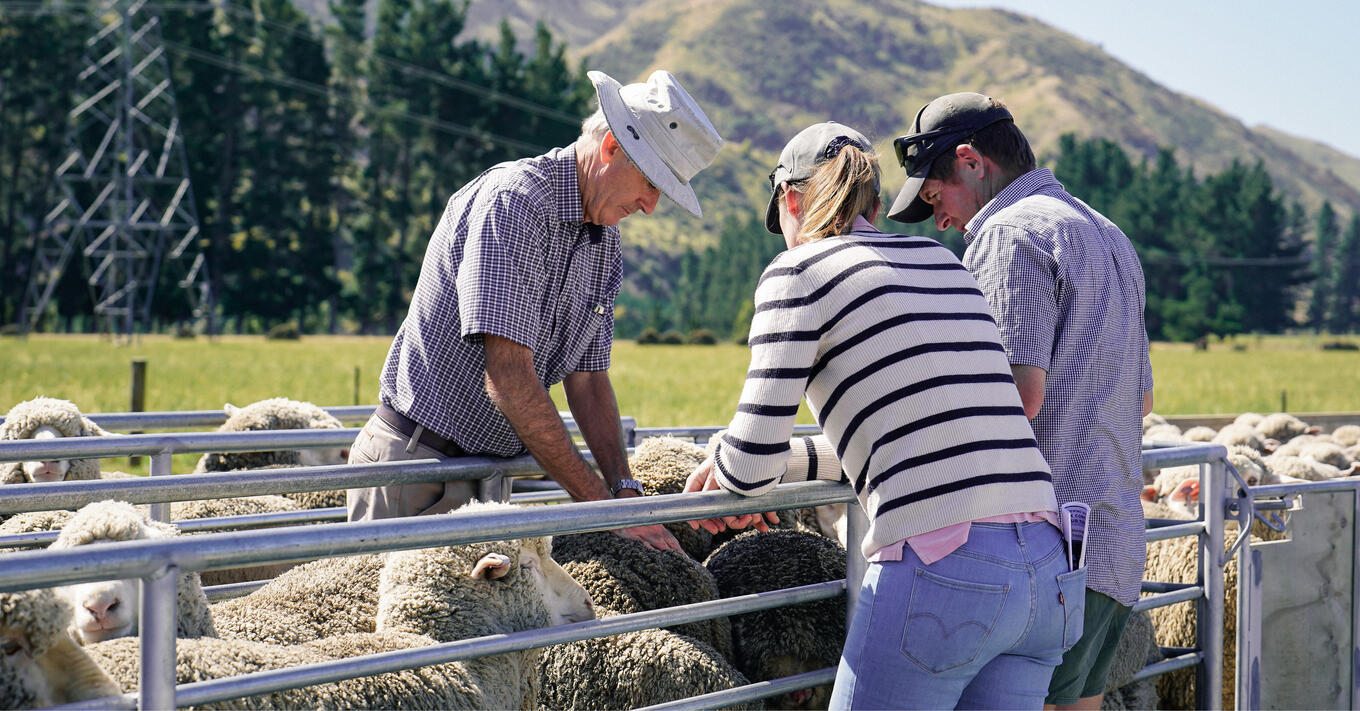
On-farm insights take centre stage at recent Marlborough Merino Association Tour
The recent annual Marlborough Merino Association two-tooth ewe competition and stud tour drew a strong crowd of growers and proved to be a great success - with around 50 to 60 people attending each day.
Held across March 19th and 20th, the group visited 10 Marlborough merino properties, inspecting two-tooth ewe mobs and discussing everything from breeding direction and animal health to on-farm management.
For farmer Bruce Hamilton, entering Glenlee Station’s two-tooth ewe flock in this year’s Marlborough Merino Association competition was less about placing and more about getting in amongst the merino community. So his result - 2nd place - was certainly a bonus, considering it was the first time he had entered.
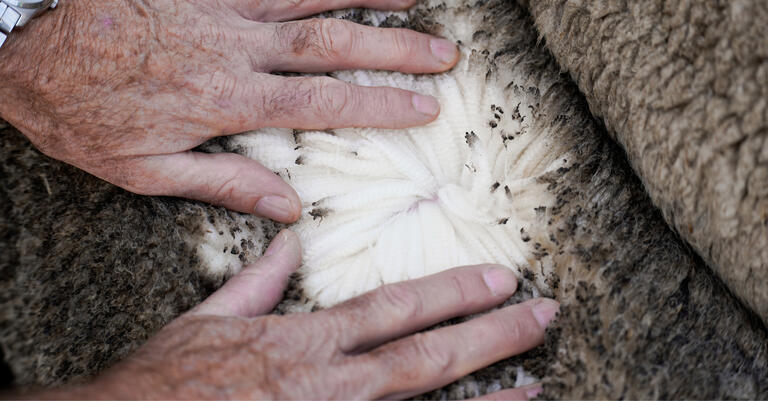
Pictured: Beautiful merino wool on the two-tooth ewes at Glenlee Station, placing 2nd in the competition.
“We weren’t expecting it, so to be in the ballpark of what other farms are doing is very pleasing.”
But Hamilton said the biggest value of putting his sheep forward was actually the feedback that came from it.
“Sometimes you can just find yourself a bit stuck, and you just want independent advice. So it was good to be able to find out from those in the industry that we were doing something right.”
The competition is judged by experienced industry figures, and the tour format gives attendees the chance to inspect flocks up close, ask questions and compare notes across different farming systems and environments.
“It’s great to be able to get a group of farmers together and visit so many other properties - something you just don’t ever get the time to do,” says Hamilton.
“And all of that feedback ultimately creates a better sheep in regards to wool quality.”
Hamilton said even small suggestions can challenge day-to-day thinking and reinforce the next steps for a flock.
“Little tidbits and advice assists with reshaping what you’re doing on the farm and making your flock better.
“It certainly helps to cement and guide your confidence in what to do next.”
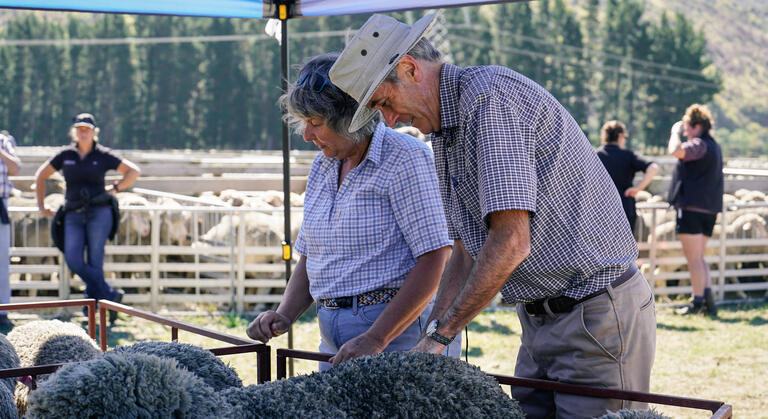
Pictured: Sally Peter from Isolation Merino and Peter McCusker, PGW Wool rep, inspecting the award-winning merino stud rams at Blairich Station.
And Marlborough and Canterbury PGG Wrightson Wool representative Peter McCusker, who followed the tour, agrees with Hamilton’s sentiments, saying events like the two-tooth competition play an important role in keeping the merino community connected and moving forward.
“Although the competition is an important part of the event, it is also very much about the association being able to have on-farm chats, network and see what others are doing,” McCusker said.
He said the atmosphere across the two days was upbeat and constructive, with growers open to feedback and willing to share ideas.
“The vibe was very positive,” he said. “There were some good conversations had by all parties with plenty of helpful discussions around management, husbandry and quality.”
McCusker said the competition is also an opportunity for growers to benchmark wool type and overall flock traits, while discussing the practical realities of merino farming. This year’s tour included several farms that supply wool to Devold, with McCusker noting some growers are actively breeding to meet specific market requirements.
“They breed a certain style of wool for Devold and are aware of their customers - so always have that in the back of their mind.”
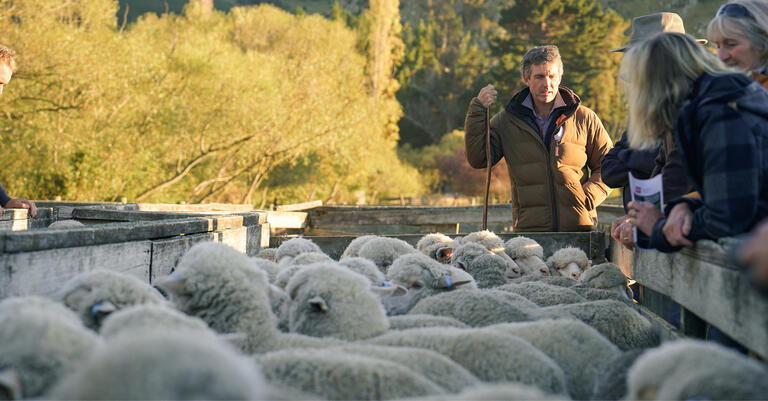
Pictured: George Murray, with his flock of two-tooth merino ewes at Aschworth.
Marlborough Merino Association chairman George Murray said the event attracted strong interest from outside the region as well, reflecting its growing reputation.
“It was a great turnout of merino farmers, with a carload out of the MacKenzie Basin and a couple of guys making it over from Australia,” Murray said.
He said the judges - Simon Paterson of Armidale Merino Stud and Ben Patrick from Tasmania - brought valuable expertise and encouraged open discussion throughout the tour.
Describing the two days as well-run and highly engaging, with plenty of participation from those attending, Murray added that it was a very relaxed yet formal couple of days, with lots of great debate and discussion on all things merino with everyone getting involved, sharing their knowledge, views and ideas.
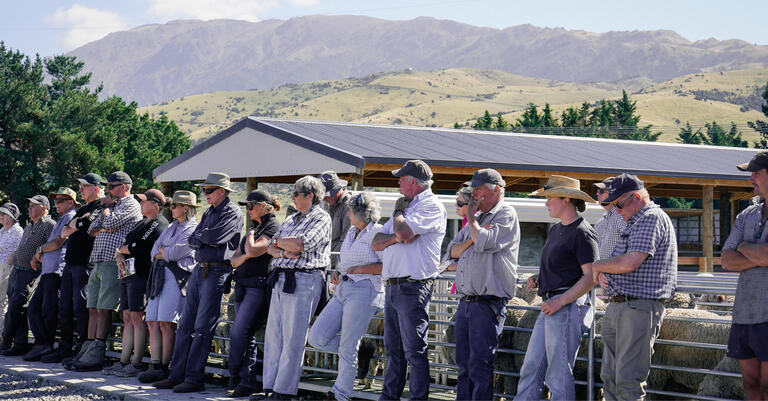
Pictured: A strong crowd of growers and industry representatives gathered at Blairich Station.
Key industry issues, such as drench resistance and footrot, were also part of the conversation, with McCusker saying there was plenty of practical discussion around how growers are managing these ongoing challenges.
“Drench resistance is an issue for the sheep industry in general,” he said. “Footrot as well, it’s always an ongoing issue with merinos.”
Murray said the judging reinforced that while the industry continues to evolve, the fundamentals remain central.
“Constitution and phenotype are still number one - it’s great seeing a large mob of sheep that’s even and ‘like peas in a pod’.”
With strong attendance, high-quality stock on display and an optimistic tone among growers, the Marlborough Merino Association’s two-tooth tour once again delivered what it does best - a practical opportunity to share knowledge, strengthen connections and keep raising the bar across the region’s merino flocks.

Related News
Video or image
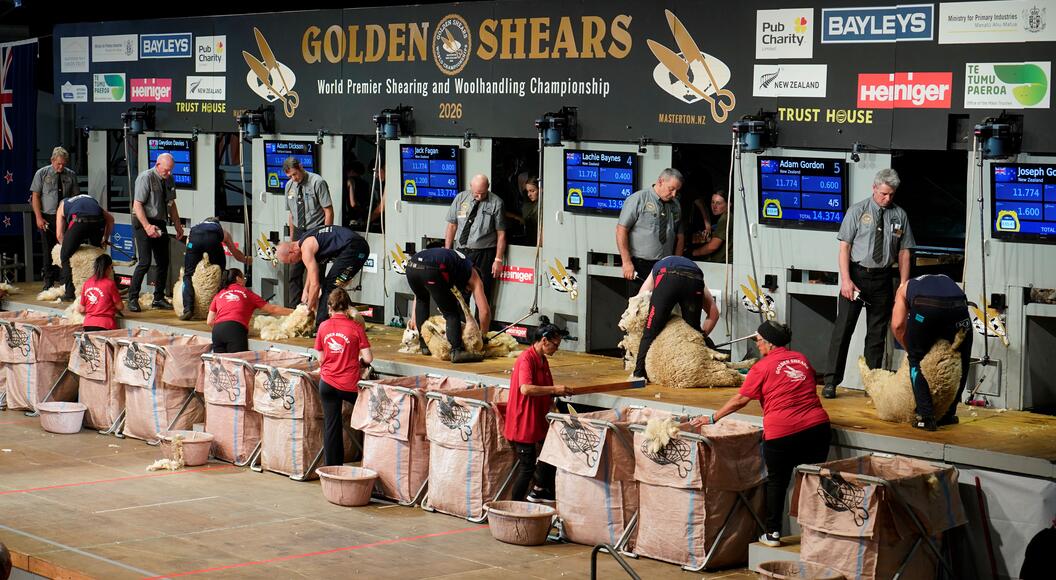
The road to Golden Shears starts again
A new season of the PGG Wrightson / Vetmed National Shearing Circuit gets underway in October, setting some of New Zealand’s best shearers on a five-round journey that will test their skill across the country and across five different wool types. The first points of the 2026/27 PGG Wrightson /...
Video or image
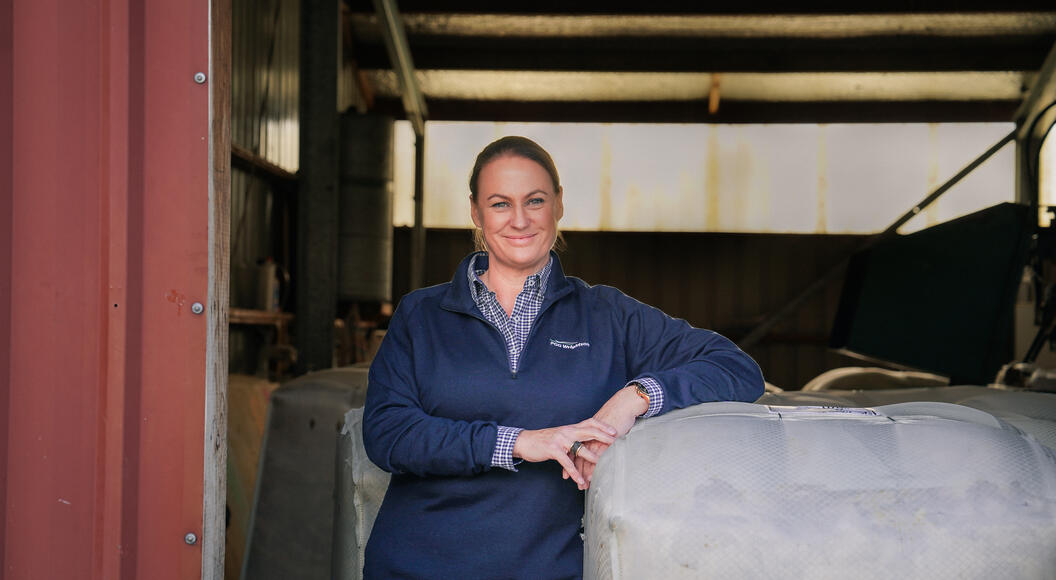
Australian buyers add heat as wool market regains confidence
Rachel Shearer, General Manager of PGW Wool, speaks with Hamish McKay from The Country about renewed competition at auction, strong wool prices and the factors shaping the longer-term outlook for New Zealand wool. Competition returned to the wool auction room in August, with increased buyer activity...
Video or image
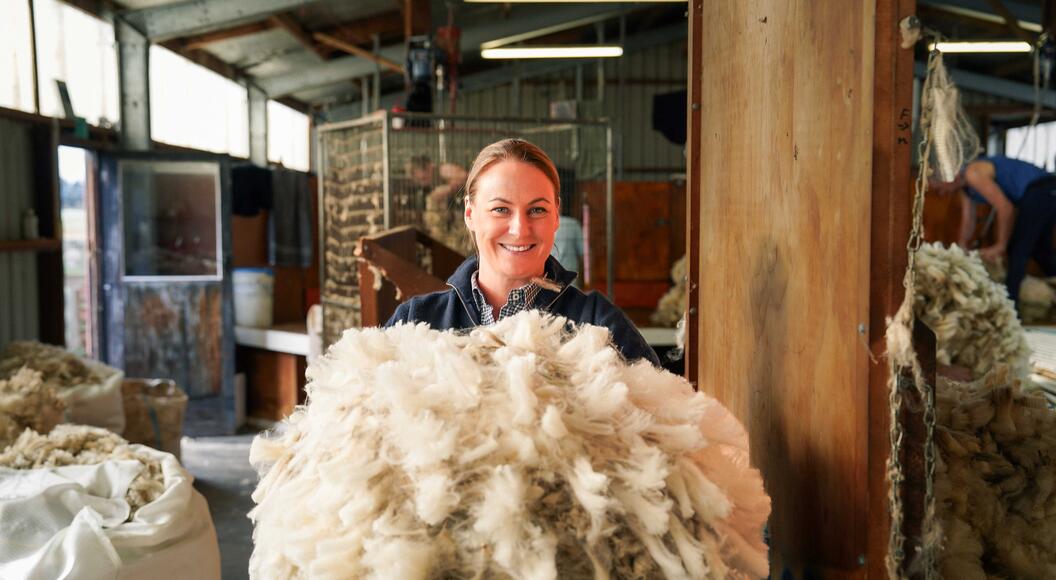
Wool market eases as global buyers pause
Rachel Shearer, General Manager of PGW Wool, speaks with Jamie Mackay from The Country about recent market movements, global demand, and why the long-term outlook for wool remains positive. After several months of exceptional growth, the strong wool market has eased as major global buyers step back...
Video or image
The road to Golden Shears starts again
A new season of the PGG Wrightson / Vetmed National Shearing Circuit gets underway in October, setting some of New Zealand’s best shearers on a five-round journey that will test their skill across the country and across five different wool types. The first points of the 2026/27 PGG Wrightson /...
Video or image
Australian buyers add heat as wool market regains confidence
Rachel Shearer, General Manager of PGW Wool, speaks with Hamish McKay from The Country about renewed competition at auction, strong wool prices and the factors shaping the longer-term outlook for New Zealand wool. Competition returned to the wool auction room in August, with increased buyer activity...
Video or image
Wool market eases as global buyers pause
Rachel Shearer, General Manager of PGW Wool, speaks with Jamie Mackay from The Country about recent market movements, global demand, and why the long-term outlook for wool remains positive. After several months of exceptional growth, the strong wool market has eased as major global buyers step back...