
Video or image

Wool market eases amid global uncertainty, but fundamentals remain strong
After a sustained period of growth, the wool market has eased slightly in recent weeks, reflecting wider global uncertainty and a more cautious tone among buyers.
Speaking with Jamie Mackay from The Country, Rachel Shearer from PGG Wrightson Wool said the shift has been evident across both North and South Island sales.
“We’ve really seen that market easing over the past couple of weeks, with a more subdued tone from buyers,” she said.
The most recent South Island sale saw the strong wool indicator fall by 11 cents, although clearance remained strong at 95 percent. While prices have softened, Rachel noted that global economic uncertainty is playing a significant role in influencing buyer behaviour.
A market adjusting, not reversing
Despite the recent easing, the broader trend remains positive.
Over the past two years, strong wool prices have lifted significantly. The South Island strong wool indicator has moved from around 330 cents clean to approximately 555 cents, while the North Island has risen from 307 cents to around 536 cents.
That represents increases of more than 40 percent in the past year alone, and considerably more over a longer horizon.
“The market is cooling its jets a little at the moment, but the overall direction has been very positive,” Rachel said.
Preparation remains critical as conditions tighten
As the season progresses and volumes tighten, attention is returning to wool preparation and presentation.
With exporters becoming more selective in a softer market, the difference between well-prepared and poorly prepared wool is becoming more pronounced.
“It can be up to 20 cents per kilogram difference between well-prepared wool and wool that hasn’t been skirted or handled as well,” Rachel said.
For growers, that margin can have a meaningful impact on returns, reinforcing the importance of experienced teams in the woolshed.
Supply dynamics may support the market
With the majority of ewe wool now sold for the season, volumes are beginning to tighten as the market moves into second shear and pre-lamb wool.
At the same time, exporters are still working to fill order books, which may help limit further downside in the short term.
“We’re heading into a period of tighter supply, and exporters are still looking to fill orders. That should help support the market,” Rachel said.
Global signals remain mixed but encouraging
While short-term uncertainty is weighing on sentiment, there are still positive signals emerging internationally.
Feedback from Europe suggests some manufacturers are looking to increase capacity, pointing to ongoing demand for wool fibre further along the supply chain.
“We’re still hearing noise out of Europe that some end users are looking to expand production, which is encouraging,” Rachel said.
New Zealand’s market is also continuing to track alongside other global wool-producing regions, including the United Kingdom and Australia.
Holding confidence through the cycle
Although the current market reflects a pause after recent gains, the underlying fundamentals remain intact.
Strong gains over the past two years, tightening global supply, and continued interest from international buyers all point to a sector that is in a stronger position than it has been for some time.
“We’re cautiously optimistic that the market will hold and that wool will come out the other side of these global challenges in good shape,” Rachel said.
Related News
Video or image
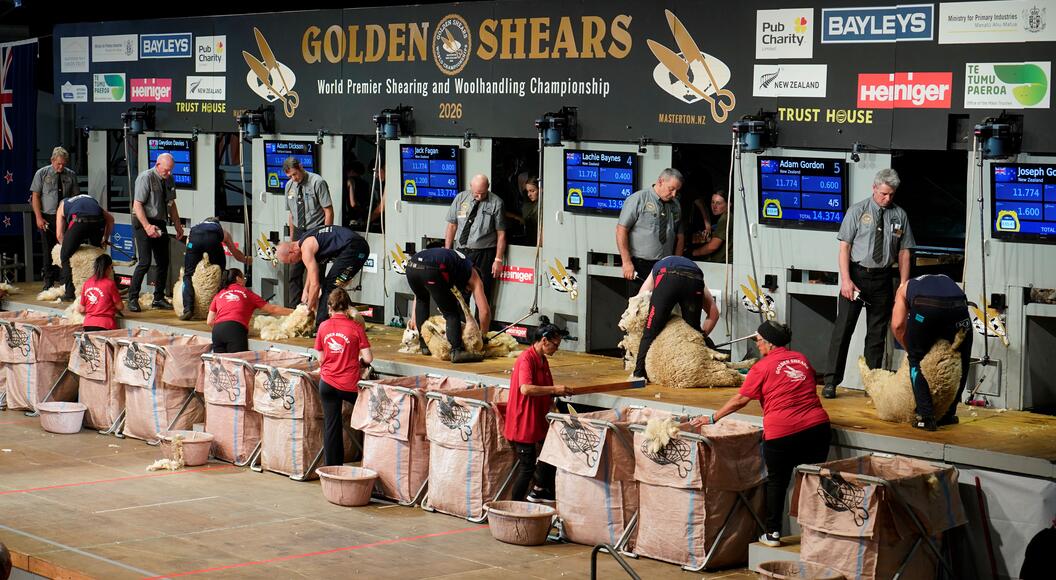
The road to Golden Shears starts again
A new season of the PGG Wrightson / Vetmed National Shearing Circuit gets underway in October, setting some of New Zealand’s best shearers on a five-round journey that will test their skill across the country and across five different wool types. The first points of the 2026/27 PGG Wrightson /...
Video or image

Australian buyers add heat as wool market regains confidence
Rachel Shearer, General Manager of PGW Wool, speaks with Hamish McKay from The Country about renewed competition at auction, strong wool prices and the factors shaping the longer-term outlook for New Zealand wool. Competition returned to the wool auction room in August, with increased buyer activity...
Video or image
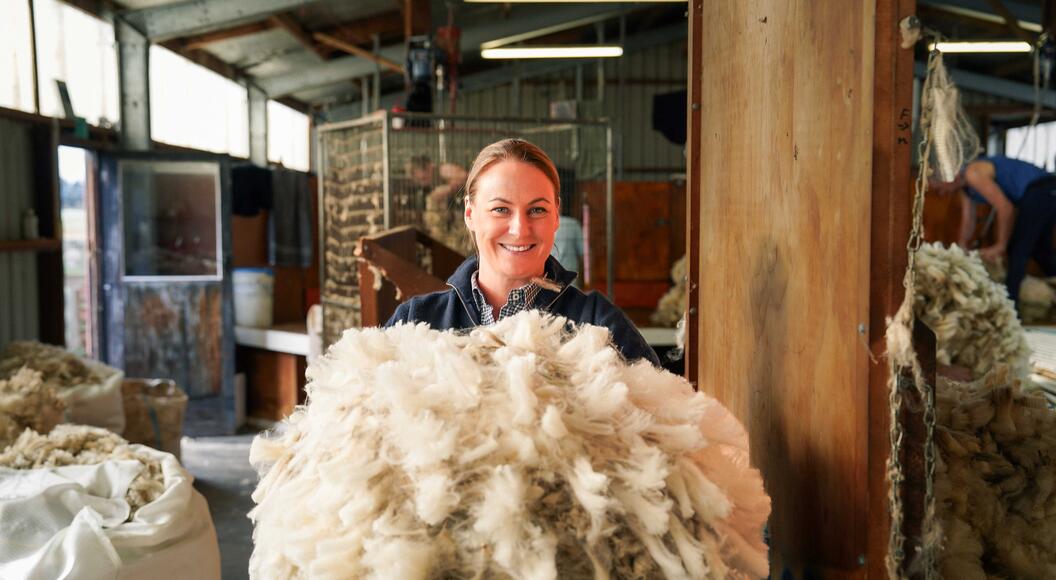
Wool market eases as global buyers pause
Rachel Shearer, General Manager of PGW Wool, speaks with Jamie Mackay from The Country about recent market movements, global demand, and why the long-term outlook for wool remains positive. After several months of exceptional growth, the strong wool market has eased as major global buyers step back...
Video or image
The road to Golden Shears starts again
A new season of the PGG Wrightson / Vetmed National Shearing Circuit gets underway in October, setting some of New Zealand’s best shearers on a five-round journey that will test their skill across the country and across five different wool types. The first points of the 2026/27 PGG Wrightson /...
Video or image
Australian buyers add heat as wool market regains confidence
Rachel Shearer, General Manager of PGW Wool, speaks with Hamish McKay from The Country about renewed competition at auction, strong wool prices and the factors shaping the longer-term outlook for New Zealand wool. Competition returned to the wool auction room in August, with increased buyer activity...
Video or image
Wool market eases as global buyers pause
Rachel Shearer, General Manager of PGW Wool, speaks with Jamie Mackay from The Country about recent market movements, global demand, and why the long-term outlook for wool remains positive. After several months of exceptional growth, the strong wool market has eased as major global buyers step back...