
Video or image
Rising synthetic costs shift momentum back to wool
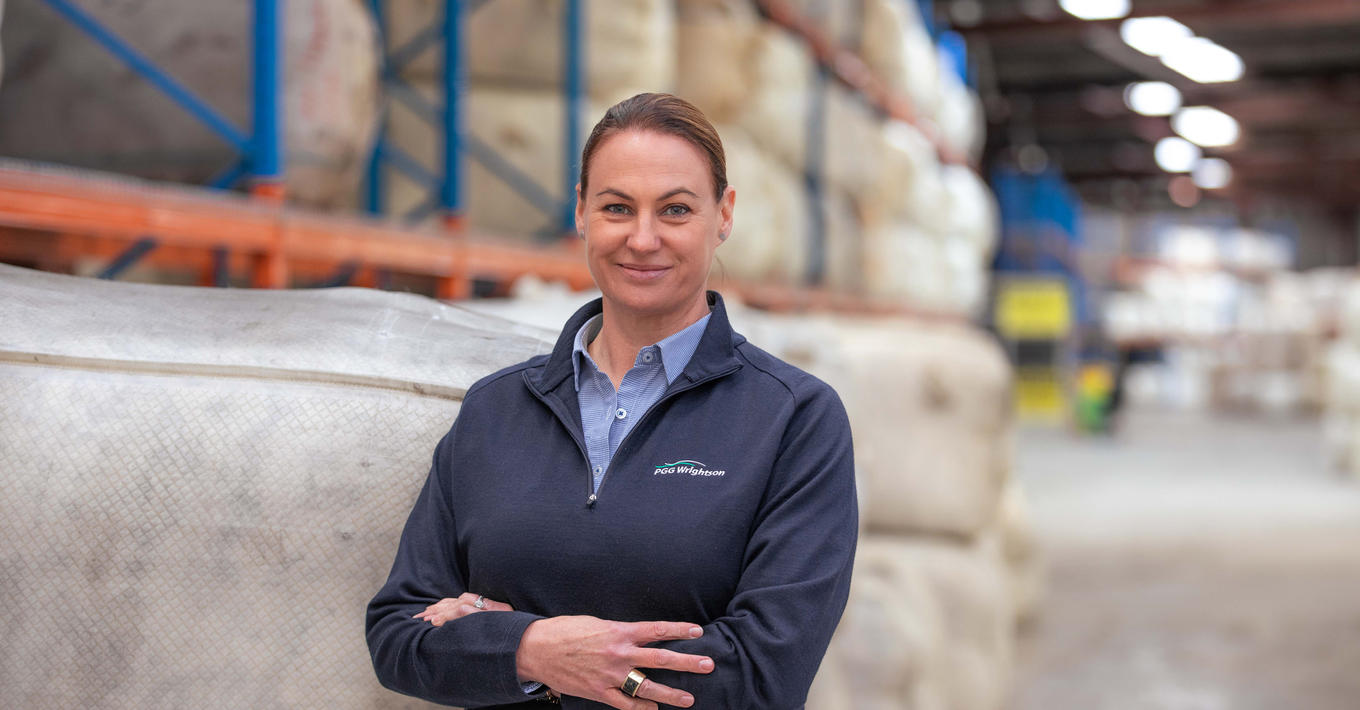
Rachel Shearer, General Manager of PGW Wool, speaks with Jamie Mackay from The Country on emerging opportunities for New Zealand wool.
Listen to the interview:
Rising costs and uncertainty around synthetic fibres are reinforcing the value of New Zealand wool, opening up new opportunities across the sector.
At the same time, growing recognition of organic fibre, improving market returns, and broader global dynamics are contributing to a more positive outlook for the industry.
Rachel pointed to a recent investment into Lammermoor Station as a strong endorsement of New Zealand’s organic wool sector.
PGW Wool handles a significant portion of the country’s organic wool clip and has a long-standing relationship with the Elliot family, who operate the property.
“It’s really encouraging to see the value that’s being placed on these organic wools,” Rachel said.
The development is expected to have positive flow-on effects for other organic producers, particularly within the crossbred space, as global demand for traceable and sustainably produced fibre continues to grow.
Strong result marks end of an era in Napier
The latest North Island wool sale delivered a lift of 32 cents in the strong wool indicator, with prices sitting around $4.30 to $4.40 greasy.
The sale also marked the final open cry auction in Napier, closing an important chapter for the region.
“It was a bittersweet auction, but it ended on a high,” Rachel said.
Attention now turns to the first national wool sale, to be held in Christchurch, where a larger, consolidated buyer bench is expected to drive stronger competition.
Rising synthetic costs shift the balance
Global instability is beginning to reshape the fibre landscape, particularly through rising costs and uncertainty around synthetic materials.
“For the last 20 or 30 years, synthetics have been seen as cheap and reliable. Right now, they’re neither,” Rachel said.
Even prior to recent geopolitical tensions, manufacturers were reporting that high-quality synthetic inputs were already significantly more expensive than New Zealand wool. That gap is continuing to widen as oil-based inputs become more volatile.
While synthetics will continue to play a role, the reliability and natural attributes of wool are becoming increasingly valuable.
Focus returns to quality in the shed
With prices improving, attention is returning to the factors growers can directly control.
A strong growing season has increased the risk of vegetable matter (VM), particularly in pre-lamb wool, and buyers are becoming more selective as a result.
“Farmers can’t control the market, but they can control what leaves their sheds,” Rachel said.
Simple practices such as keeping seed-heavy bellies out of fleece lines, keeping hay off the board and ensuring proper skirting can make a meaningful difference to returns. Well-prepared wool is more likely to attract buyer confidence and stronger competition at auction.
Building momentum across the sector
Alongside improving prices, broader industry shifts are helping to reinforce confidence in wool’s long-term outlook.
Demand for natural, traceable fibres is increasing, organic wool is gaining greater recognition, and global supply dynamics are tightening. At the same time, structural changes such as the move to a national auction system aim to strengthen competition and improve outcomes for growers.
Together, these factors are contributing to a sector that is steadily rebuilding momentum, with growing confidence from both producers and international markets.
Related News
Video or image
The road to Golden Shears starts again
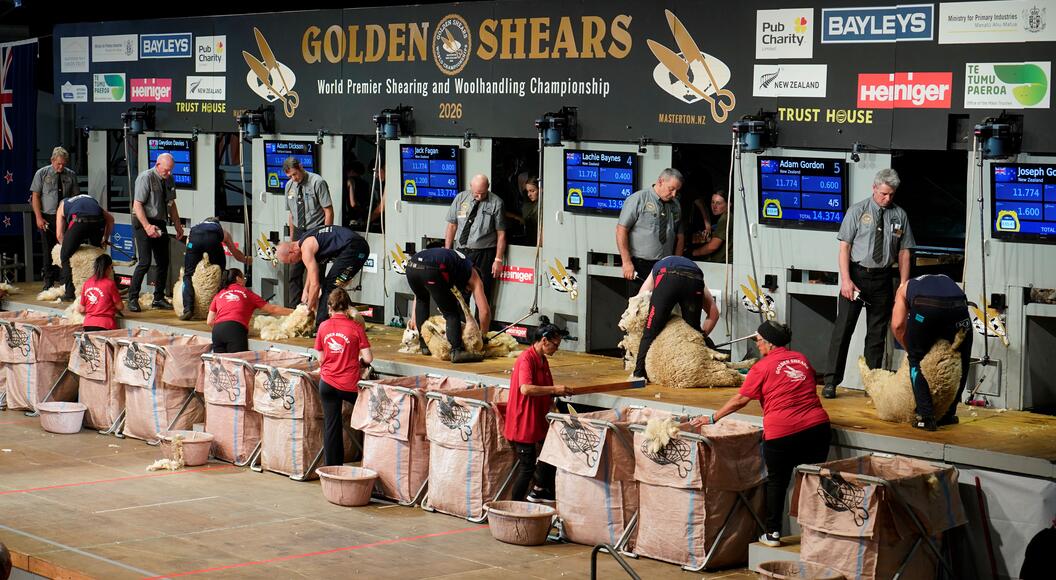
A new season of the PGG Wrightson / Vetmed National Shearing Circuit gets underway in October, setting some of New Zealand’s best shearers on a five-round journey that will test their skill across the country and across five different wool types. The first points of the 2026/27 PGG Wrightson /...
Video or image
Australian buyers add heat as wool market regains confidence
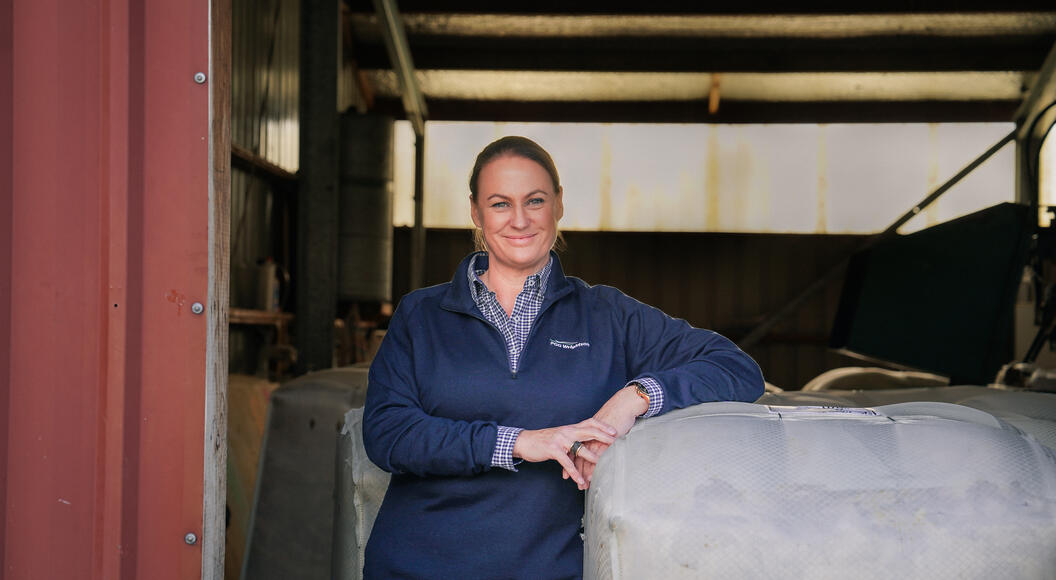
Rachel Shearer, General Manager of PGW Wool, speaks with Hamish McKay from The Country about renewed competition at auction, strong wool prices and the factors shaping the longer-term outlook for New Zealand wool. Competition returned to the wool auction room in August, with increased buyer activity...
Video or image
Wool market eases as global buyers pause
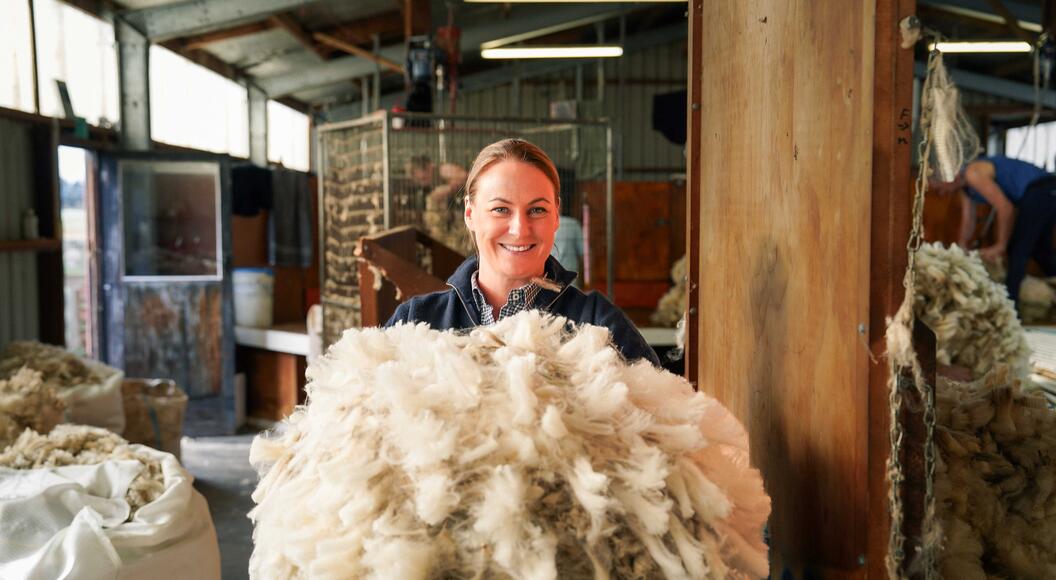
Rachel Shearer, General Manager of PGW Wool, speaks with Jamie Mackay from The Country about recent market movements, global demand, and why the long-term outlook for wool remains positive. After several months of exceptional growth, the strong wool market has eased as major global buyers step back...
Video or image
The road to Golden Shears starts again
A new season of the PGG Wrightson / Vetmed National Shearing Circuit gets underway in October, setting some of New Zealand’s best shearers on a five-round journey that will test their skill across the country and across five different wool types. The first points of the 2026/27 PGG Wrightson /...
Video or image
Australian buyers add heat as wool market regains confidence
Rachel Shearer, General Manager of PGW Wool, speaks with Hamish McKay from The Country about renewed competition at auction, strong wool prices and the factors shaping the longer-term outlook for New Zealand wool. Competition returned to the wool auction room in August, with increased buyer activity...
Video or image
Wool market eases as global buyers pause
Rachel Shearer, General Manager of PGW Wool, speaks with Jamie Mackay from The Country about recent market movements, global demand, and why the long-term outlook for wool remains positive. After several months of exceptional growth, the strong wool market has eased as major global buyers step back...