
Video or image
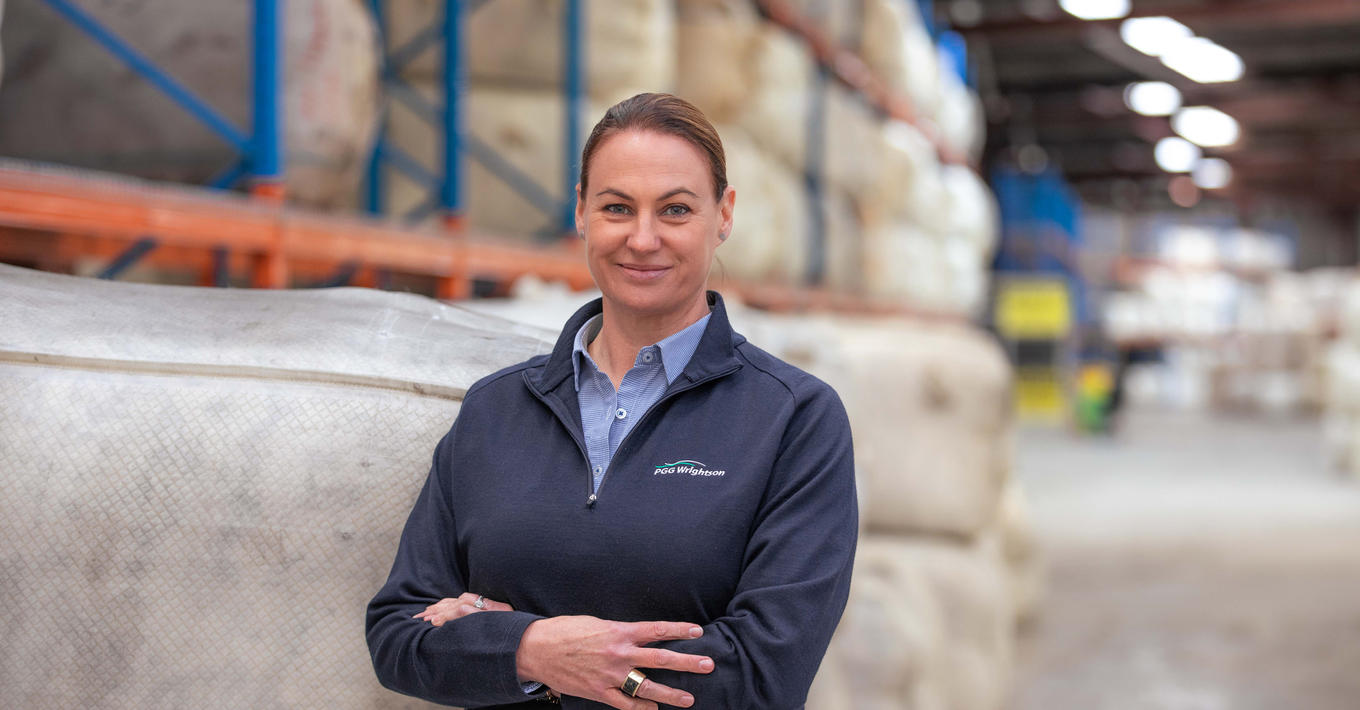
Strong wool momentum builds as global demand tightens
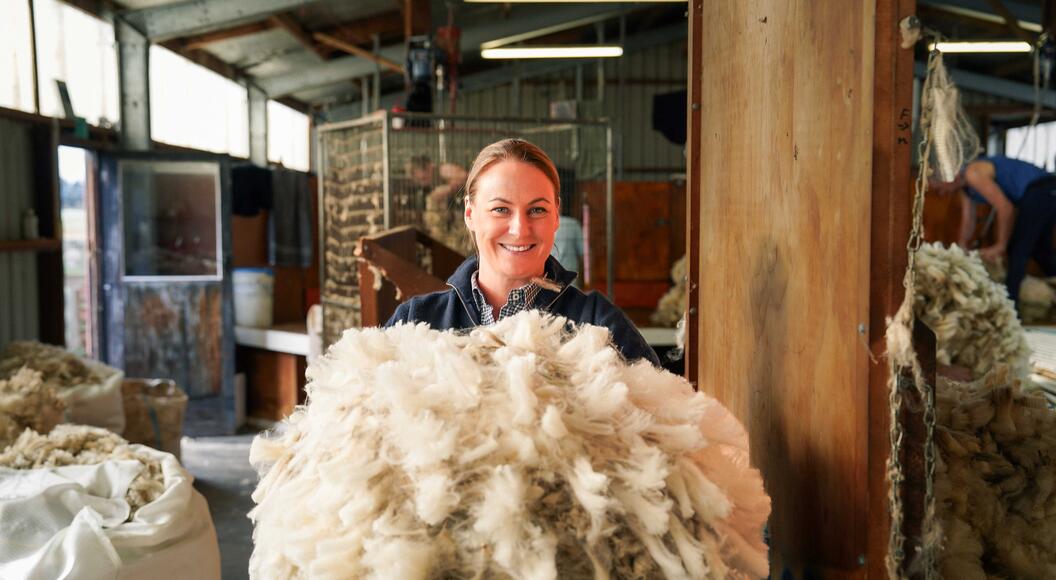
Strong wool prices have opened 2026 with renewed confidence, and early indicators suggest the momentum is holding. Speaking with Hamish McKay on The Country, Rachel Shearer from PGG Wrightson Wool shared insights from recent auction results, international demand signals, and what this means for growers heading into peak shearing season.
Rachel described the current lift as more than a short term spike. After a rapid rise before Christmas, the market has continued to hold, which she sees as particularly encouraging.
“We’ve actually had one of the strongest openings in recent history, both here and in Australia. This is a global story,” she said.
At the most recent Christchurch auction, exporters were struggling to fill existing orders due to limited volumes coming through, while new orders were also entering the market.
China continues to underpin the market, with buying pressure increasing not just in New Zealand, but internationally.
“We’re also hearing the same story out of Britain, where prices have been rising steadily and more wool is now heading to China. That would have been unheard of in the past,” Rachel said.
India is also beginning to show renewed interest, adding another layer of competition for available supply. Combined with declining global sheep numbers, this tightening supply is becoming a major factor supporting price stability.
Rachel acknowledged that strong wool has been a long standing challenge for farmers, with decades spent in low price territory.
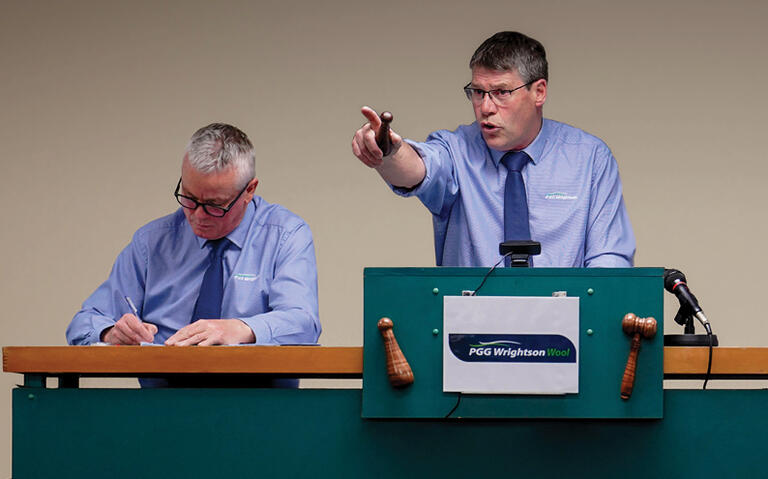
“This time last year we were getting excited about breaking 400 cents clean. Yesterday, most crossbred fleece types at Christchurch were well above 500 cents clean,” she said.
Many wool types have lifted by around a dollar since September 2025, and the strong wool indicator across both islands is now sitting close to that 500 cents clean level.
While cost structures vary between farms, Rachel noted that more growers are now covering beyond their shearing costs, a significant shift from recent years.
Rachel believes the current conditions are being supported by more than just reduced supply.
“The lack of global supply is starting to play its part, alongside consumers better understanding the positive attributes of wool as a fibre,” she said.
Together, these factors are creating what she described as a “positive storm” for the sector, even though there is still progress to be made.
Looking ahead, Rachel said the next North Island sale will be closely watched.
“Conditions up there are looking good. Colour and vegetable matter are playing an important role, and all indications suggest a good season,” she said.
While cautious by nature, she remains optimistic that the market’s forward momentum will continue.
The conversation also touched on recent government supported training initiatives for the shearing sector. PGW Wool and New Zealand Merino are working alongside industry bodies to support training focused on animal care and welfare.
“That first stage of the supply chain is critical. When you’re operating in a global market, protecting New Zealand’s reputation is incredibly important,” Rachel said.
The programme is aimed at strengthening skills across shearing and woolhandling, ensuring standards remain high from farm to market.
While no one is declaring a return to the wool boom years just yet, the tone has clearly shifted.
“We’re not there yet, but we’re heading in the right direction,” Rachel said.
With firm international demand, tighter supply, and improving returns at auction, the strong wool sector is entering 2026 with renewed confidence and a sense that progress is finally being made.
Related News
Video or image
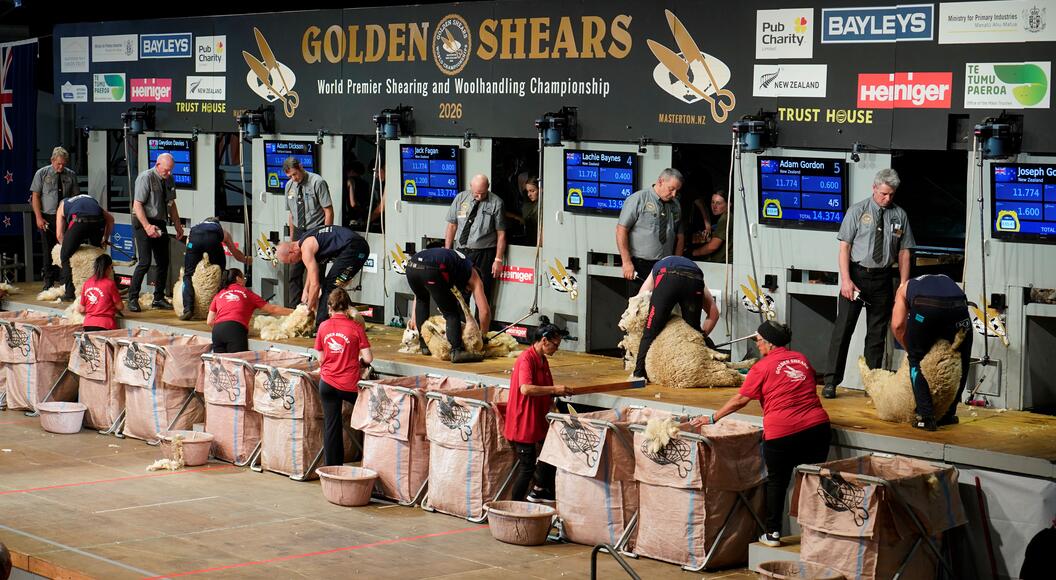
The road to Golden Shears starts again
A new season of the PGG Wrightson / Vetmed National Shearing Circuit gets underway in October, setting some of New Zealand’s best shearers on a five-round journey that will test their skill across the country and across five different wool types. The first points of the 2026/27 PGG Wrightson /...
Video or image
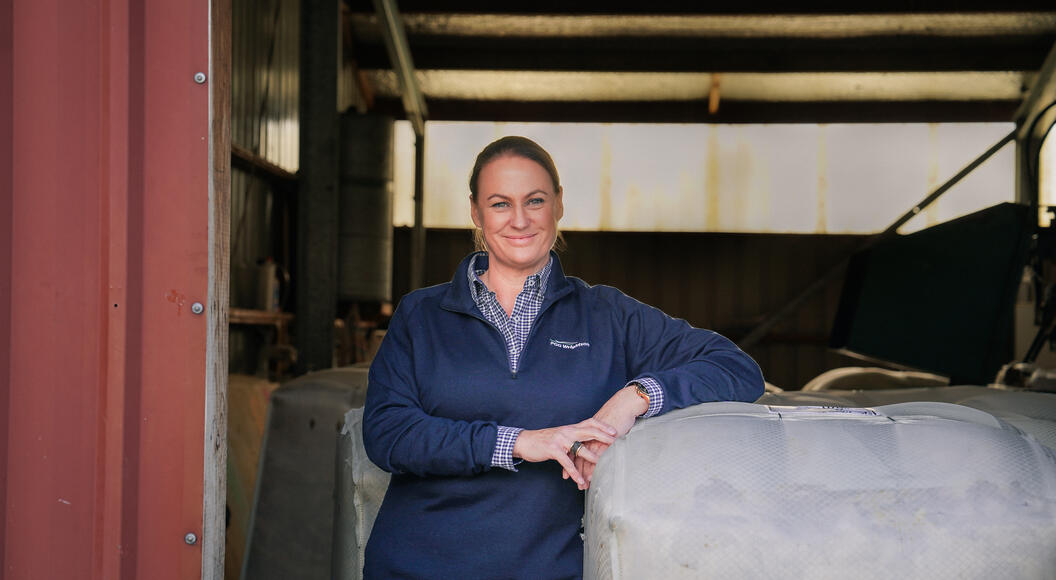
Australian buyers add heat as wool market regains confidence
Rachel Shearer, General Manager of PGW Wool, speaks with Hamish McKay from The Country about renewed competition at auction, strong wool prices and the factors shaping the longer-term outlook for New Zealand wool. Competition returned to the wool auction room in August, with increased buyer activity...
Video or image
Wool market eases as global buyers pause
Rachel Shearer, General Manager of PGW Wool, speaks with Jamie Mackay from The Country about recent market movements, global demand, and why the long-term outlook for wool remains positive. After several months of exceptional growth, the strong wool market has eased as major global buyers step back...
Video or image
The road to Golden Shears starts again
A new season of the PGG Wrightson / Vetmed National Shearing Circuit gets underway in October, setting some of New Zealand’s best shearers on a five-round journey that will test their skill across the country and across five different wool types. The first points of the 2026/27 PGG Wrightson /...
Video or image
Australian buyers add heat as wool market regains confidence
Rachel Shearer, General Manager of PGW Wool, speaks with Hamish McKay from The Country about renewed competition at auction, strong wool prices and the factors shaping the longer-term outlook for New Zealand wool. Competition returned to the wool auction room in August, with increased buyer activity...
Video or image
Wool market eases as global buyers pause
Rachel Shearer, General Manager of PGW Wool, speaks with Jamie Mackay from The Country about recent market movements, global demand, and why the long-term outlook for wool remains positive. After several months of exceptional growth, the strong wool market has eased as major global buyers step back...