
Video or image
Legacy and lustre - how one Southland farm is keeping strong wool traditions alive
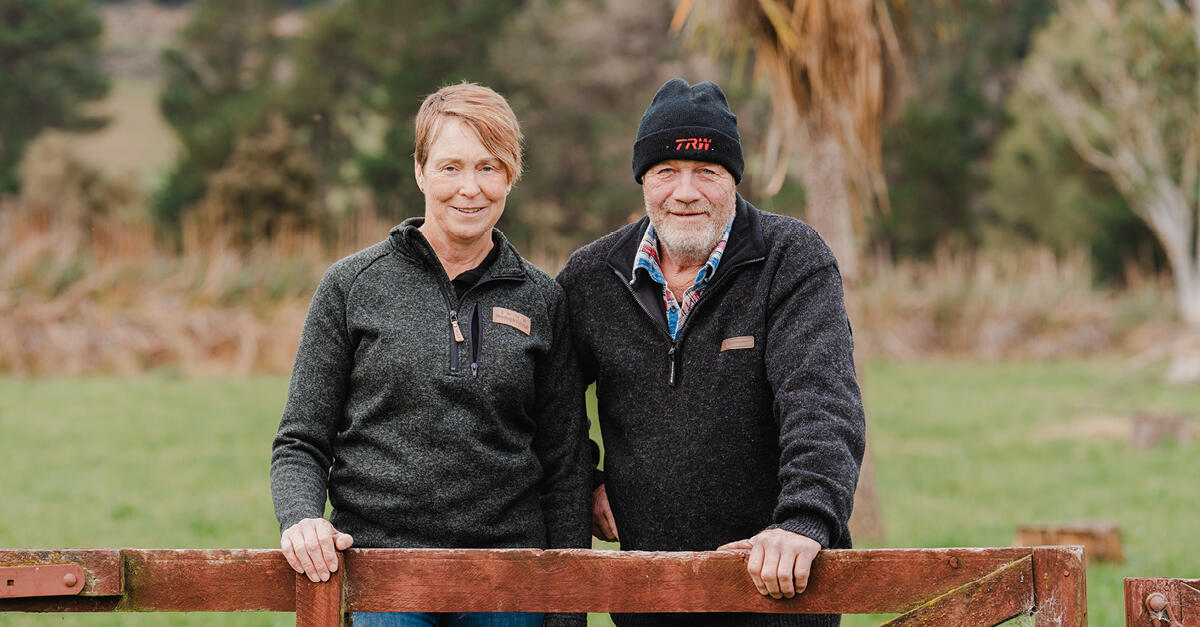
Tucked away in Southland’s rolling green hills near Dipton, Nigel and Jayne Beer are quietly preserving a rare piece of New Zealand’s farming history, one fleece at a time.
As possibly one of the last commercial-sized run holders of purebred Lincoln sheep in the South Island, and perhaps all of New Zealand, the Beers are more than just sheep farmers. They are carrying on a breeding tradition that began in 1957 when Nigel’s father first arrived in the area with little more than determination and a love for wool.
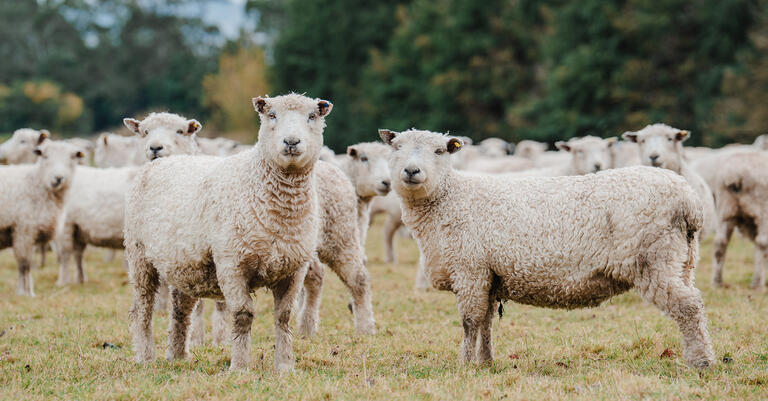
“Dad started with nothing, just a bit of shearing and hunting to pay the bills,” says Nigel. “And he liked the Lincolns. They were one of the original breeds in New Zealand, brought out because they are hardy sheep and live on just about anything.
“But they also have a beautiful lustre in the wool, and they grow a lot of it - and when you’re getting paid in weight (as well as quality of course) you can get a lot more per sheep. So, we’ve stuck with them ever since.”
And it’s paying off. In a wool market that has long struggled under the weight of synthetic competition, the Beers’ latest lambs’ wool sale turned heads, attracting significant buyer interest.
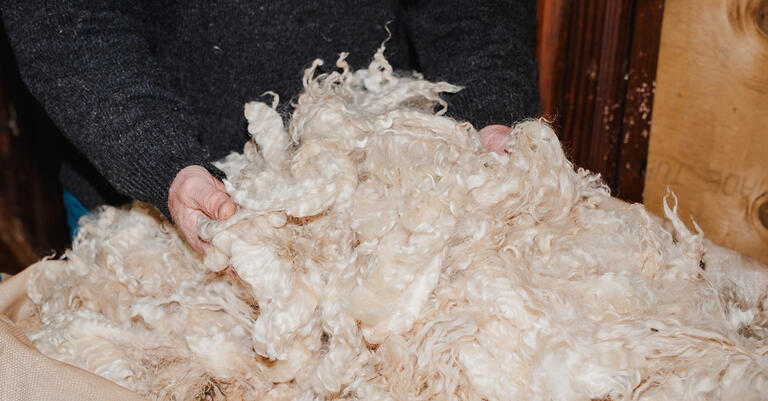
What makes Lincoln wool so valuable isn’t just its rarity - it’s the fibre’s unique characteristics. High-lustre, heavy fleece weights and a silky shine have found favour in niche international markets, with Lincoln wool used in everything from high-end sport coats and garments in Europe to judicial ceremonial wigs and even doll hair for the Asian market.
“You’d be surprised where Lincoln wool ends up,” Nigel says. “It really stands out because there’s a natural beauty to it.”
But continuing to breed Lincolns hasn’t always been the easy or obvious choice. For decades, the wool market was in decline, and many farmers turned toward faster-growing, meat-focused breeds. Lincoln sheep are slower maturing and more demanding to shear, leading commercial breeders to walk away. But Nigel was determined to persevere with what his dad started all those years before.
“We believed wool had to make a comeback,” Nigel reflects. “In this day and age, people want clean, green, sustainable products. And wool’s got all of that, it just needed a second chance.”
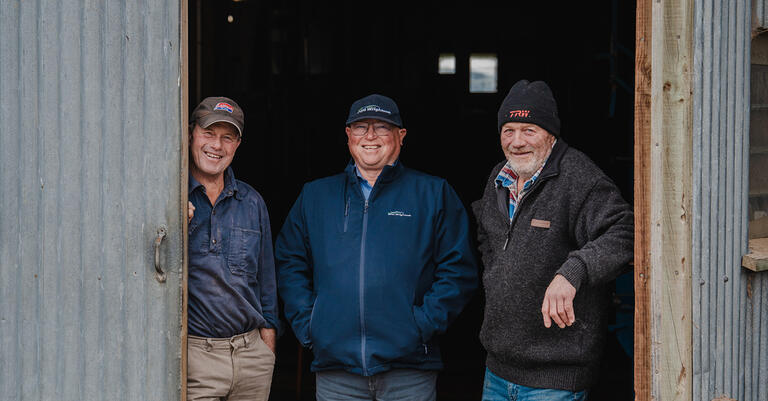
Pictured: (Left) Neville, Nigel's brother, Lawrence, PGW Wool Rep, and Nigel.
Sales of the wool have been helped along by PGW Wool, a partner to the Beer family for decades. And wool rep Lawrence Paskell visits the farm regularly to offer advice, support and insight into market trends.
“They’ve stuck with the Lincoln breed when most others moved on,” says Lawrence. “Their wool is now outperforming almost every other crossbred fibre we handle, because it’s unique and the buyers are willing to pay for it. Nigel’s lambswool sold for $4.51 greasy or $5.40 clean, which is a significant premium above any other crossbed wool out there.
“And recent sale results - $4.30 for second-shear fleeces – is probably $1 - $1.50 more than what most farmers would be getting for crossbred wool.”
Dave Burridge, South Island Sales Manager for PGW Wool says it is a real credit to the Beers who have persisted with this breed and now there’s a real solid market for their wool.
“Because there are very few growers producing commercial-sized volumes in New Zealand, they have been able to corner it and achieve this premium.”
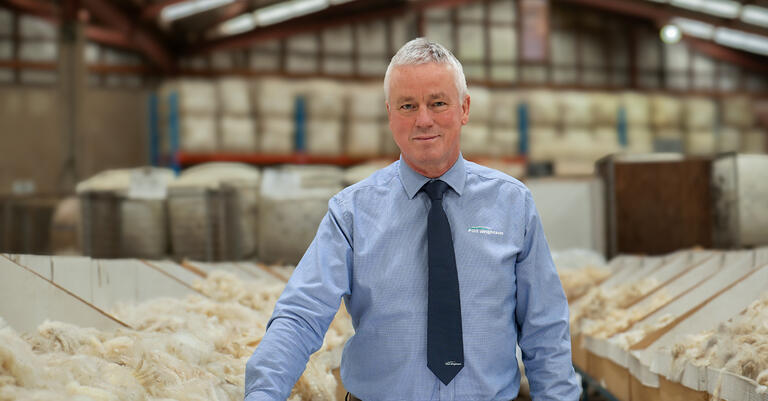
Pictured: Dave Burridge, South Island Sales Manager for PGW Wool.
Dave also explains that one of the Beers' recent auction lots was held back from sale until the right buyer came forward, resulting in a significantly better outcome.
“I’m in charge of selling the wool and when it got passed for quite a lot lower, we refused to sell it for that price, knowing it typically fetches for a premium. So we remained focused on what we knew it should be sold for and got the result we were after.
“And that’s what working so closely with clients enables us to do - giving growers like the Beers the best tools to succeed. Our strong relationship is about understanding the wool’s value, holding the line, and working together to achieve it. That trust and partnership has helped unlock real value.”
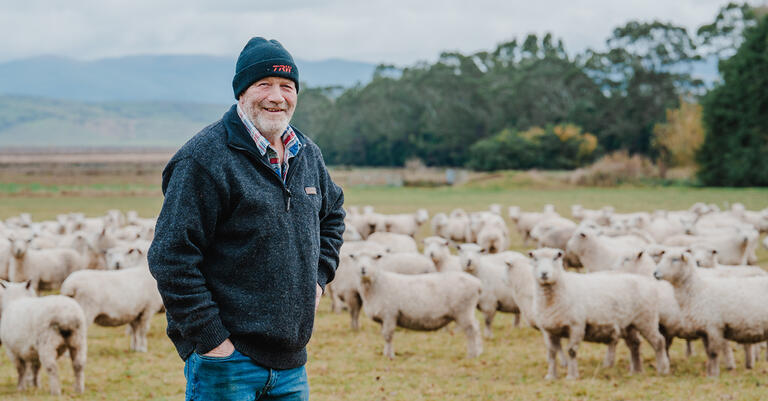
Now nearing retirement age, Nigel acknowledges that his passion for the Lincoln breed remains strong, even if the next chapter is uncertain.
“If I was younger, I’d be really excited,” he says. “It’s been a long time coming, but the market is finally showing real interest in what we’ve always believed was a superior product.”
With Lincoln rams increasingly hard to come by, the Beers have resorted to breeding their own - another mark of their commitment to the breed.
“It’s a crossroads, really. But there’s opportunity here. That’s why we stuck with them, wool has always been worth it.”
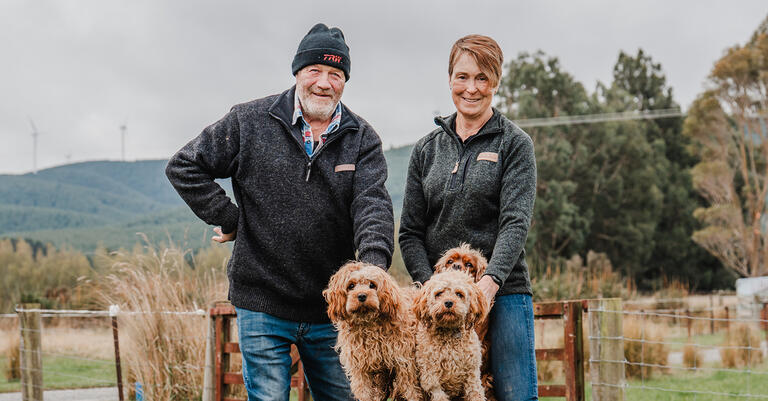
Nigel and Jayne’s story is one of perseverance, passion and belief - in their animals, their product, and the potential of wool. And with the support of PGW Wool, they’ve shown that niche markets can deliver premium results when backed by the right genetics, preparation and relationships.
As the demand for natural fibres grows globally, the Beers’ wool is not only fetching top dollar, it’s also redefining what’s possible in New Zealand’s wool sector. In an industry searching for a path forward, the Beers are showing that sometimes, keeping up with tradition is the way to move ahead.
“A lot of people think I’m mad, maybe doing the wrong thing. But it all comes down to what you think the future is going to do. Wool is a superior product and even when I do finally retire, I’ll always be watching out for what’s happening in the market and hoping for the best.”

Related News
Video or image
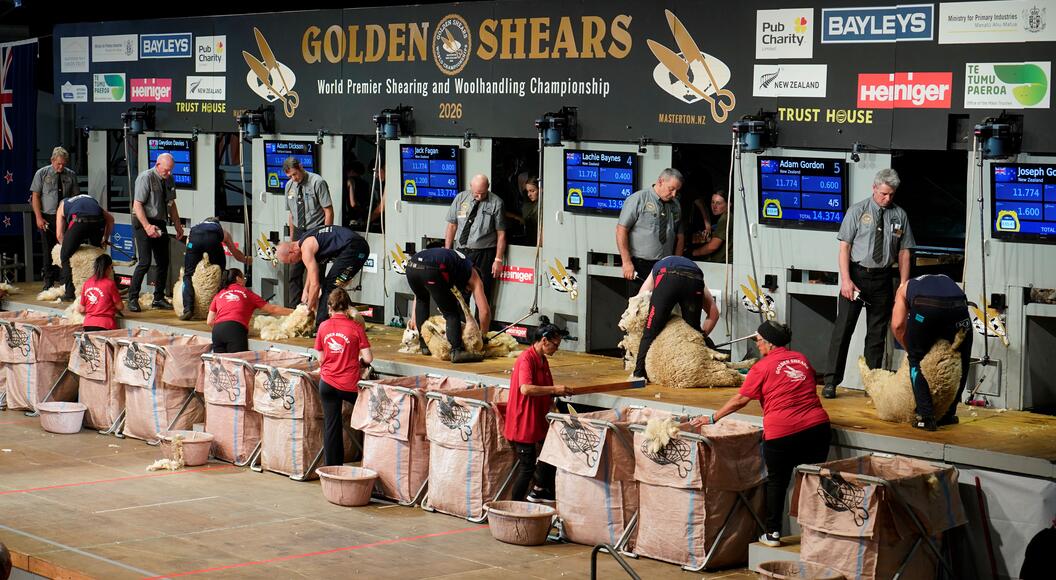
The road to Golden Shears starts again
A new season of the PGG Wrightson / Vetmed National Shearing Circuit gets underway in October, setting some of New Zealand’s best shearers on a five-round journey that will test their skill across the country and across five different wool types. The first points of the 2026/27 PGG Wrightson /...
Video or image
Australian buyers add heat as wool market regains confidence
Rachel Shearer, General Manager of PGW Wool, speaks with Hamish McKay from The Country about renewed competition at auction, strong wool prices and the factors shaping the longer-term outlook for New Zealand wool. Competition returned to the wool auction room in August, with increased buyer activity...
Video or image
Wool market eases as global buyers pause
Rachel Shearer, General Manager of PGW Wool, speaks with Jamie Mackay from The Country about recent market movements, global demand, and why the long-term outlook for wool remains positive. After several months of exceptional growth, the strong wool market has eased as major global buyers step back...
Video or image
The road to Golden Shears starts again
A new season of the PGG Wrightson / Vetmed National Shearing Circuit gets underway in October, setting some of New Zealand’s best shearers on a five-round journey that will test their skill across the country and across five different wool types. The first points of the 2026/27 PGG Wrightson /...
Video or image
Australian buyers add heat as wool market regains confidence
Rachel Shearer, General Manager of PGW Wool, speaks with Hamish McKay from The Country about renewed competition at auction, strong wool prices and the factors shaping the longer-term outlook for New Zealand wool. Competition returned to the wool auction room in August, with increased buyer activity...
Video or image
Wool market eases as global buyers pause
Rachel Shearer, General Manager of PGW Wool, speaks with Jamie Mackay from The Country about recent market movements, global demand, and why the long-term outlook for wool remains positive. After several months of exceptional growth, the strong wool market has eased as major global buyers step back...