
Video or image
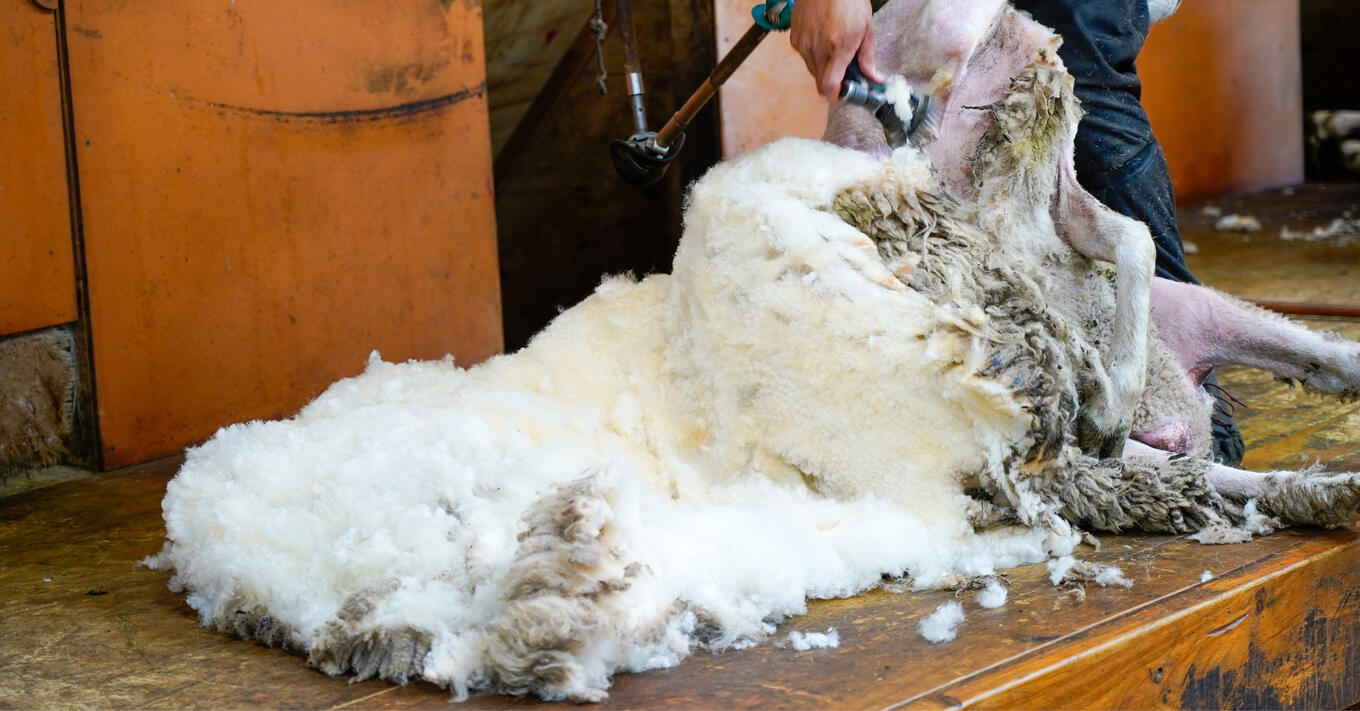
New animal welfare training is set to strengthen skills across the New Zealand wool industry
New animal welfare training for the wool industry is now available nationwide, offering practical, industry-led guidance for anyone handling sheep in and around the woolshed.
The programme, delivered by Elite Wool Industry Training, combines online learning and in-person practical courses designed to give workers the knowledge, confidence, and skills to consistently follow best practice.
“Animal welfare sits at the heart of New Zealand’s wool industry,” says Rachel Shearer, GM of Wool at PGG Wrightson.
“This training is about giving people the knowledge and confidence to consistently deliver best practice in the shed, which ultimately supports the quality and integrity of our wool.”
Shearer highlights the practical impact of the training.
“The way wool is handled from the very beginning has a direct effect on the end product. Supporting practical, accessible training like this helps ensure wool is prepared to a high standard, which benefits both growers and the wider supply chain.”
Tom Wilson, Director at Elite Training, says this programme is a first for the New Zealand wool sector.
“This initiative is something the industry has never had before. And now the training is fully funded for the next year, so our goal is to make this training a standard part of preparation for everyone working in the industry.”
The programme has been developed with feedback from multiple stakeholders, including shearing and wool handling organisations in both New Zealand and Australia. It aligns with MPI guidance and best practice standards and is regularly updated in consultation with industry partners.
“We’re aiming for 400 participants over the year, and given that more than 150 have already completed online or in-person courses, we’re well on our way,” says Wilson.
How the training works
The training is flexible and accessible. A fully online course includes five modules and a self-assessment, allowing participants to learn at their own pace. Certificates of completion are provided to demonstrate competency.
For those seeking hands-on experience, one-day practical courses are available and scheduled with contractors across the country leading into peak shearing periods in 2026.
These sessions cover:
● Calm, effective sheep handling techniques.
● Understanding practical responsibilities under the Animal Welfare Act 1999.
● Wound protocols, differentiating minor and major injuries.
● Techniques that support better productivity outcomes while maintaining proper handling standards.
“This is a really practical initiative for the industry. Whether you’re a contractor, grower, or part of the shed team, taking part in this training is a positive step toward strengthening outcomes across the sector,” says Shearer.
Benefits for individuals and the industry
While the course focuses on practical skills and compliance, it also offers clear career benefits. Participants gain confidence, knowledge, and employable skills, while businesses benefit from having trained, capable teams in the shed.
Wilson points out the wider industry value.
“It’s important to everyone who has a part to play in the industry, regardless of commercial competition. Total industry participation helps New Zealand wool maintain its reputation overseas. When everyone understands and applies best practice, the whole sector benefits.”
Feedback from early participants has been extremely positive, especially for in-person sessions. Many are surprised at the depth of information covered, particularly around regulations and their responsibilities under the Animal Welfare Act. The training gives participants a clear understanding of what they should be doing and why it matters for both the efficiency of the shed and the quality of the wool.
Collaboration across the industry
This training is an example of effective industry-wide collaboration. Major stakeholders, including MPI, PGG, and leading wool organisations, have contributed to funding and refining the course. And the programme has been fine-tuned based on feedback from these groups to ensure it meets practical and regulatory requirements while remaining accessible to all workers.
“Behind every bale of wool is a skilled team in the shed,” Shearer says.
“Supporting their knowledge and professionalism through initiatives like this is essential for maintaining standards and building confidence in New Zealand wool.”
Getting started
The training is available now, and Elite Wool Industry Training encourages all those involved in wool harvesting to take advantage of this free opportunity. For online access, visit Elite Wool Industry Training. To arrange in-person practical courses for teams or check scheduled sessions, contact Elite directly via their website.
With widespread participation, this programme promises to strengthen skills, improve consistency in handling practices, and support a confident, capable workforce across New Zealand’s wool industry.

Related News
Video or image
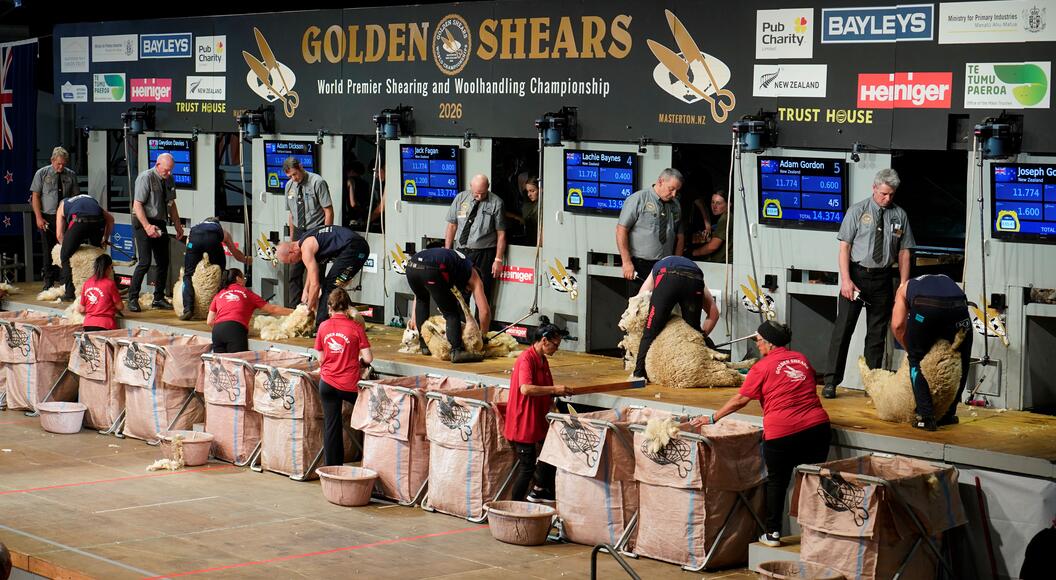
The road to Golden Shears starts again
A new season of the PGG Wrightson / Vetmed National Shearing Circuit gets underway in October, setting some of New Zealand’s best shearers on a five-round journey that will test their skill across the country and across five different wool types. The first points of the 2026/27 PGG Wrightson /...
Video or image
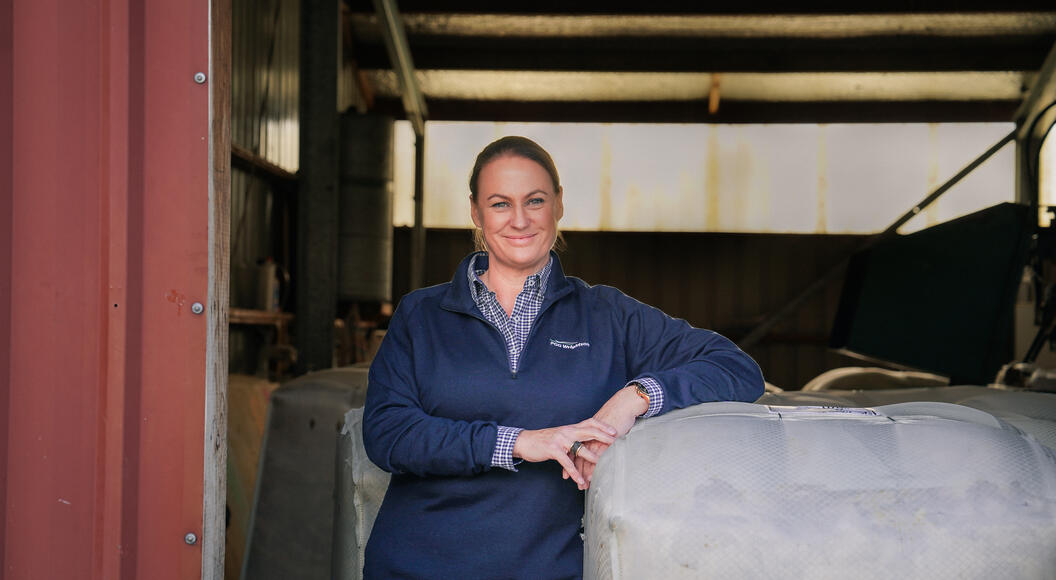
Australian buyers add heat as wool market regains confidence
Rachel Shearer, General Manager of PGW Wool, speaks with Hamish McKay from The Country about renewed competition at auction, strong wool prices and the factors shaping the longer-term outlook for New Zealand wool. Competition returned to the wool auction room in August, with increased buyer activity...
Video or image
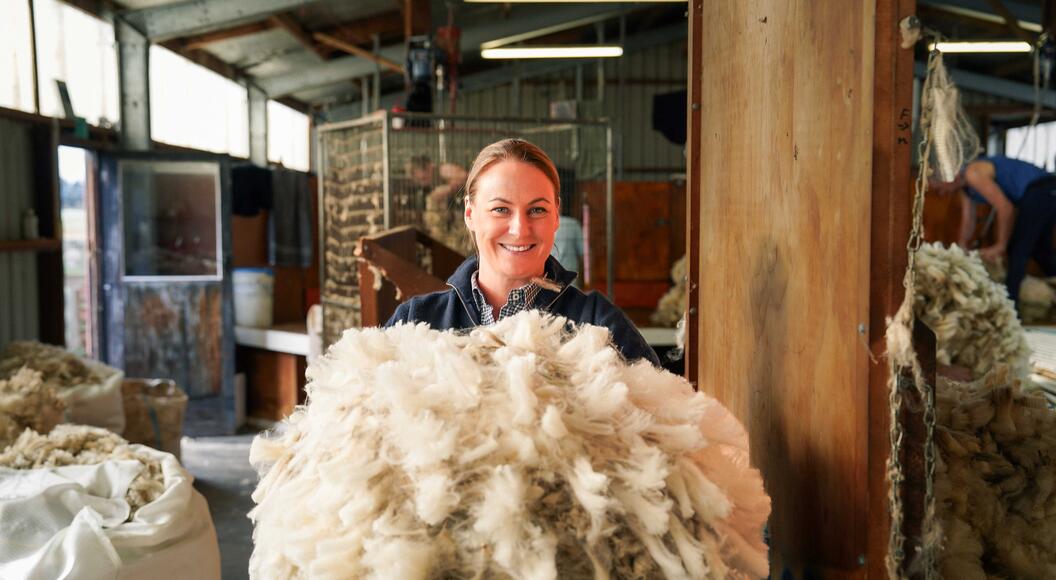
Wool market eases as global buyers pause
Rachel Shearer, General Manager of PGW Wool, speaks with Jamie Mackay from The Country about recent market movements, global demand, and why the long-term outlook for wool remains positive. After several months of exceptional growth, the strong wool market has eased as major global buyers step back...
Video or image
The road to Golden Shears starts again
A new season of the PGG Wrightson / Vetmed National Shearing Circuit gets underway in October, setting some of New Zealand’s best shearers on a five-round journey that will test their skill across the country and across five different wool types. The first points of the 2026/27 PGG Wrightson /...
Video or image
Australian buyers add heat as wool market regains confidence
Rachel Shearer, General Manager of PGW Wool, speaks with Hamish McKay from The Country about renewed competition at auction, strong wool prices and the factors shaping the longer-term outlook for New Zealand wool. Competition returned to the wool auction room in August, with increased buyer activity...
Video or image
Wool market eases as global buyers pause
Rachel Shearer, General Manager of PGW Wool, speaks with Jamie Mackay from The Country about recent market movements, global demand, and why the long-term outlook for wool remains positive. After several months of exceptional growth, the strong wool market has eased as major global buyers step back...