
Video or image
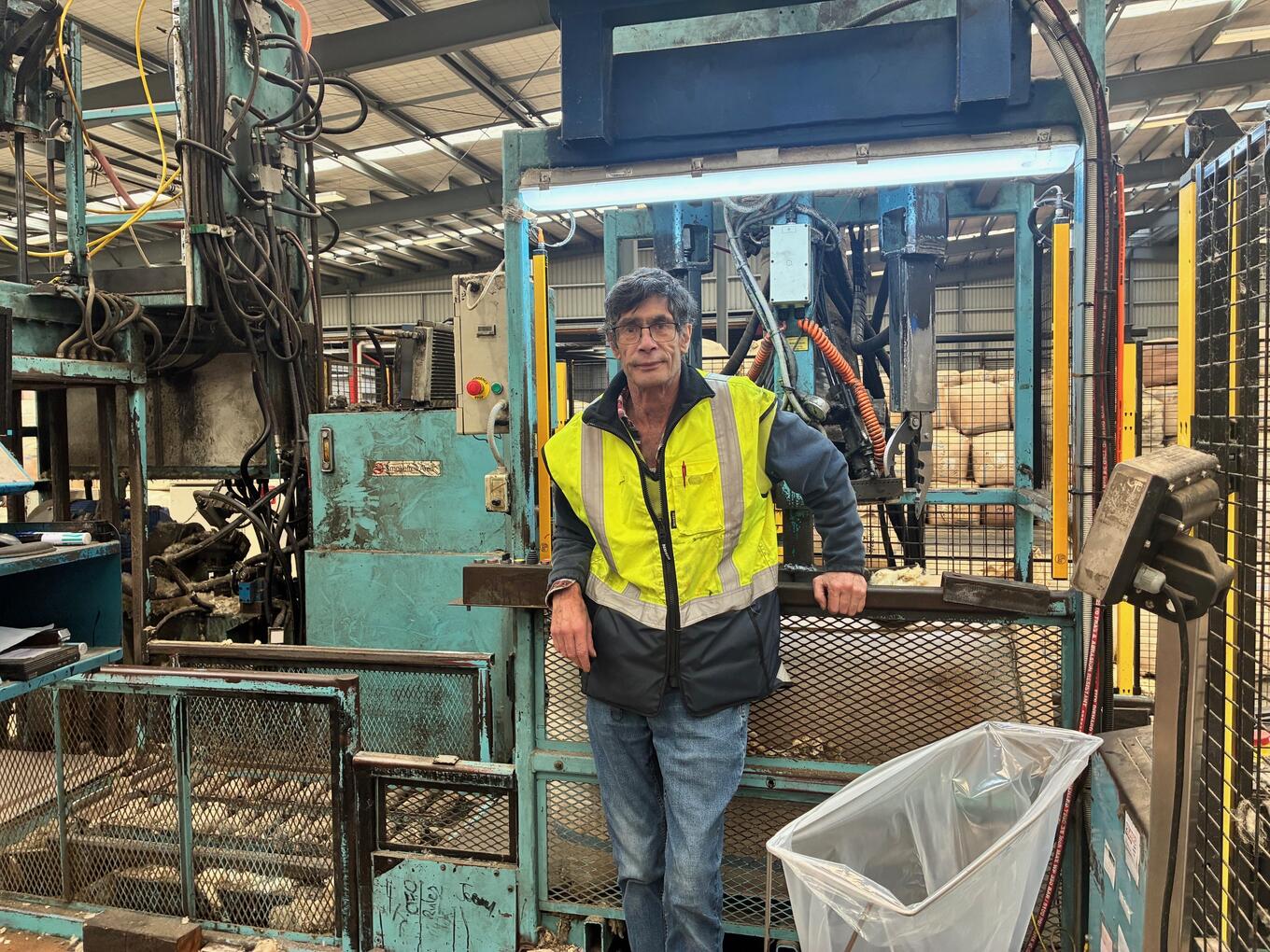
After 48 years of grabbing the best wool in the industry, Geoffrey Keys is calling time on his remarkable career
It was a bit of a culture shock for 17-year-old country boy Geoffrey Keys when he moved to the bright lights of Dunedin in 1977. He’d spent his whole life in the inland rural settlement of Lauder in Central Otago, only going down to the big city maybe once a year for new clothes and other supplies.
But when Geoff told his dad he wasn’t going back to school after the summer holidays, there was only one way out of the education system.
“He said I had to get a job,” recalls Geoff. “So we checked everyday in the newspaper, and a position came up for Wrightson’s to work in their wool store office helping with the clerical side of things for the wool sales. I sent in my application, had an interview and got the job.
“Dad took me down to Dunedin, put me up at the YWCA and while it was a bit scary as I didn’t really know the city at all, it was also exciting and ended up being the best thing I ever did. I made lots of friends and many of them I’m still good friends with today.”
Geoff’s first role within the company was spent largely in the office, long before computers were part of everyday work, and his early years were focused on handling paperwork and manually processing charges - a painstaking process compared to today’s digital systems.
Then in the early 1980s, the wool store introduced its first grab sampling machine - a device used to take samples from wool bales for testing and buyer inspection. Geoff was able to spend some time in the off-seasons learning a bit more about how to use the machinery and he eventually took over operation of the grabber full time in the mid-1990s when another operator retired.
“Before the grab samplers, we used to have to open the bales for the buyers to look at the wool, which was a very messy and time-consuming process. There was always wool everywhere.
“So with the grabbers we could put a sample into a box, which the buyer could look at and then also get core samples sent to get tested.
“To be honest, I’m probably the silliest bugger in the whole industry,” Geoff jokes. “But it’s always been a job I like.”
Operating the sampling machine became Geoff’s daily focus, and over the years he saw the equipment evolve from fully manual systems to modern automated technology. In 2002, the machine he operated was fully automated - which was very likely one of the first of its kind in New Zealand.
But while the tools changed, Geoff’s commitment to the job remained constant.
“I love wool,” he says simply. “It’s a natural fibre with so many good qualities - it’s warm even when it’s wet, it’s safe around fire, and it makes great carpet. It’s just a really good product.”
Geoff has also witnessed a number of changes across the industry itself. When he first started, between 70 and 80 percent of wool was classed at the wool store. Over time that work shifted out to farms as classers began working directly in the sheds.
Government policy changes also left their mark. In the late 1980s and early 1990s the removal of wool price subsidies altered the economics of the sector, and many farms began diversifying into other industries such as deer farming or vineyards.
“It’s been a slow decline in numbers over the last 30 years,” Geoff says. “But wool is still a tight industry and there are still plenty of good people involved.”
Throughout it all, Geoff built strong relationships across the sector - with growers, wool representatives and organisations such as the New Zealand Merino Company. And at the Mosgiel Wool Store, his experience and attention to detail have made him an invaluable part of the team.
Warehouse Manager Rob Gilmore says Geoff’s dedication and knowledge will be incredibly difficult to replace.
“He’s been my right-hand man for a long time,” Rob says. “Geoff is very conscientious about the quality of the wool and making sure things are done properly, and he certainly doesn’t hesitate to point out whenever I make a mistake - all in good fun of course.
“He has always been a reliable company man who genuinely believes in doing the right thing for the business and our clients.”
Beyond the technical side of the job, Geoff has always played an important role in the workplace culture as well.
“He’s a good bloke and great to have a beer with,” Rob says. “He’s got a very dry sense of humour and there’s always been plenty of banter.
Years ago he even ran the social club and helped bring everyone together after work on a Friday.”
After almost 50 years in the industry, Geoff admits the biggest challenge about retiring might simply be stepping away from the routine.
“I do worry about work when I’m not there,” he says. “It’s been part of my life for a long time.”
And as for retirement plans, Geoff is keeping things fairly relaxed for now. He’s considering taking up indoor bowls and may return to tennis - and he also hasn’t ruled out popping back to the wool store from time to time.
“If Rob ever needed a hand, I’d jump over and help,” he says.
Reflecting on his career, Geoff says his approach has always been simple.
“I’ve never been one for shortcuts. Try to do it once and do it right.”
For Rob and the wider team at PGG Wrightson Wool, Geoff’s retirement is both a proud milestone and a bittersweet farewell.
“It’s going to leave a huge hole,” Rob says. “The experience Geoff has built up over 50 years can’t be replaced overnight. People don’t often spend their whole working life with one company these days.
“For those who have worked alongside him at the Mosgiel Wool Store and across the wider wool sector, it marks the end of an era defined by loyalty, hard work and more than a few good stories.”
But while Geoff may be stepping away from full-time work, Rob suspects he won’t be far away.
“Knowing Geoff, we’ll still see him around on a Friday.”
And on behalf of everyone at PGG Wrightson Wool, Rob has one final message.
“Thanks Geoff for your incredible years of service. It’s been a privilege working alongside you - and we’ll see you again soon.”
Related News
Video or image
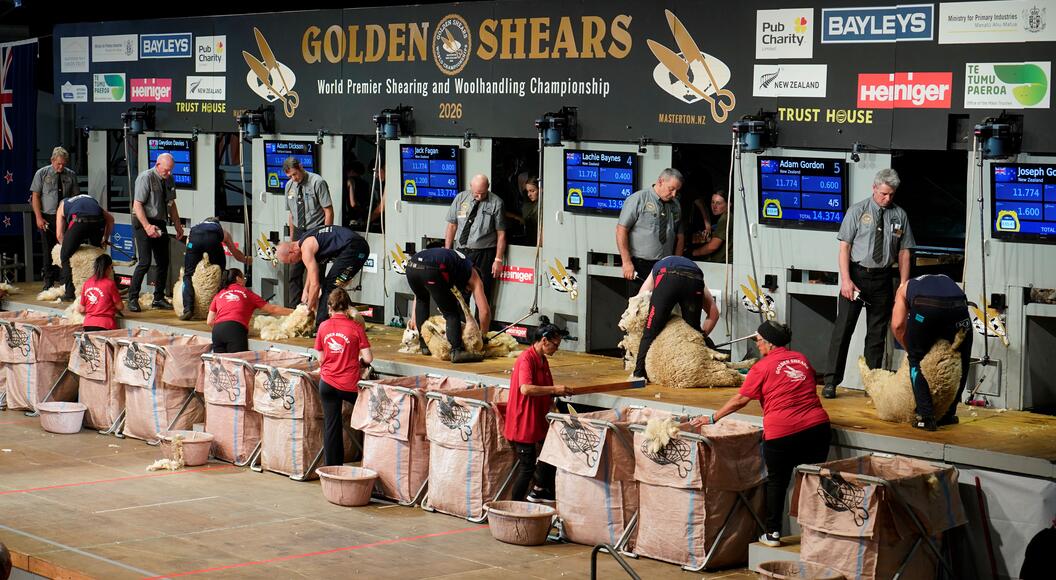
The road to Golden Shears starts again
A new season of the PGG Wrightson / Vetmed National Shearing Circuit gets underway in October, setting some of New Zealand’s best shearers on a five-round journey that will test their skill across the country and across five different wool types. The first points of the 2026/27 PGG Wrightson /...
Video or image
Australian buyers add heat as wool market regains confidence
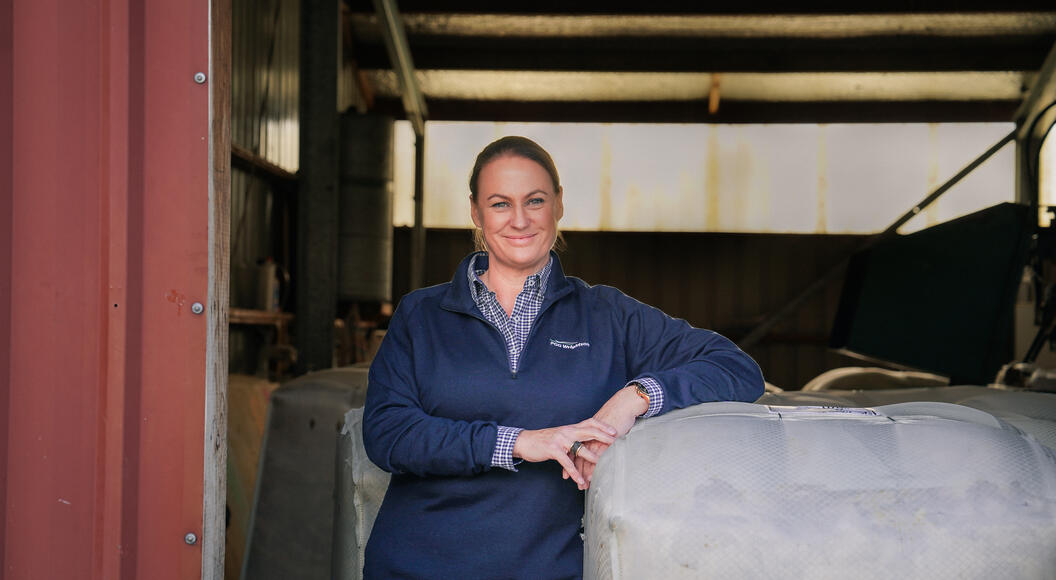
Rachel Shearer, General Manager of PGW Wool, speaks with Hamish McKay from The Country about renewed competition at auction, strong wool prices and the factors shaping the longer-term outlook for New Zealand wool. Competition returned to the wool auction room in August, with increased buyer activity...
Video or image
Wool market eases as global buyers pause
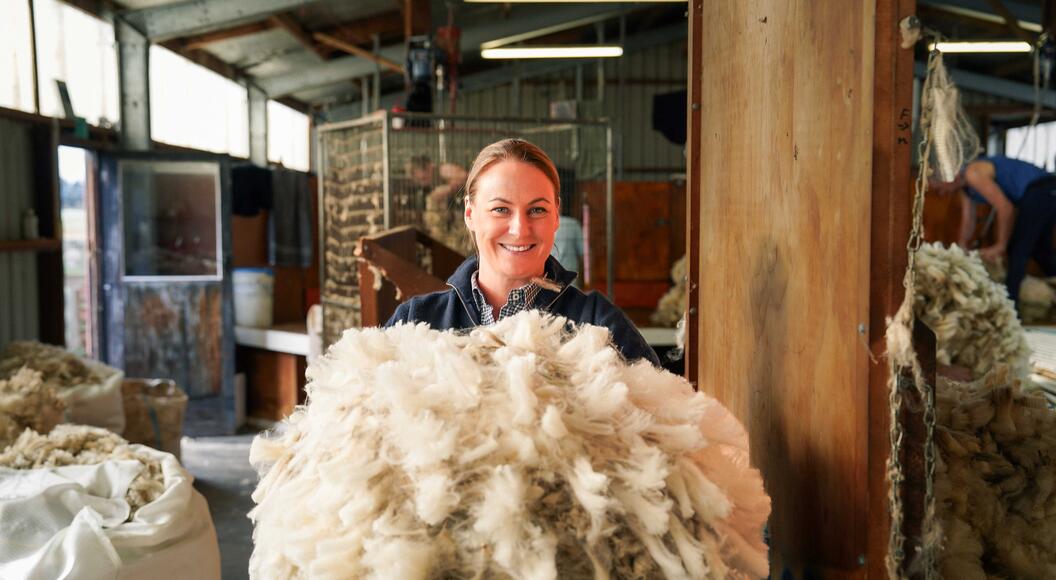
Rachel Shearer, General Manager of PGW Wool, speaks with Jamie Mackay from The Country about recent market movements, global demand, and why the long-term outlook for wool remains positive. After several months of exceptional growth, the strong wool market has eased as major global buyers step back...
Video or image
The road to Golden Shears starts again
A new season of the PGG Wrightson / Vetmed National Shearing Circuit gets underway in October, setting some of New Zealand’s best shearers on a five-round journey that will test their skill across the country and across five different wool types. The first points of the 2026/27 PGG Wrightson /...
Video or image
Australian buyers add heat as wool market regains confidence
Rachel Shearer, General Manager of PGW Wool, speaks with Hamish McKay from The Country about renewed competition at auction, strong wool prices and the factors shaping the longer-term outlook for New Zealand wool. Competition returned to the wool auction room in August, with increased buyer activity...
Video or image
Wool market eases as global buyers pause
Rachel Shearer, General Manager of PGW Wool, speaks with Jamie Mackay from The Country about recent market movements, global demand, and why the long-term outlook for wool remains positive. After several months of exceptional growth, the strong wool market has eased as major global buyers step back...