
Video or image
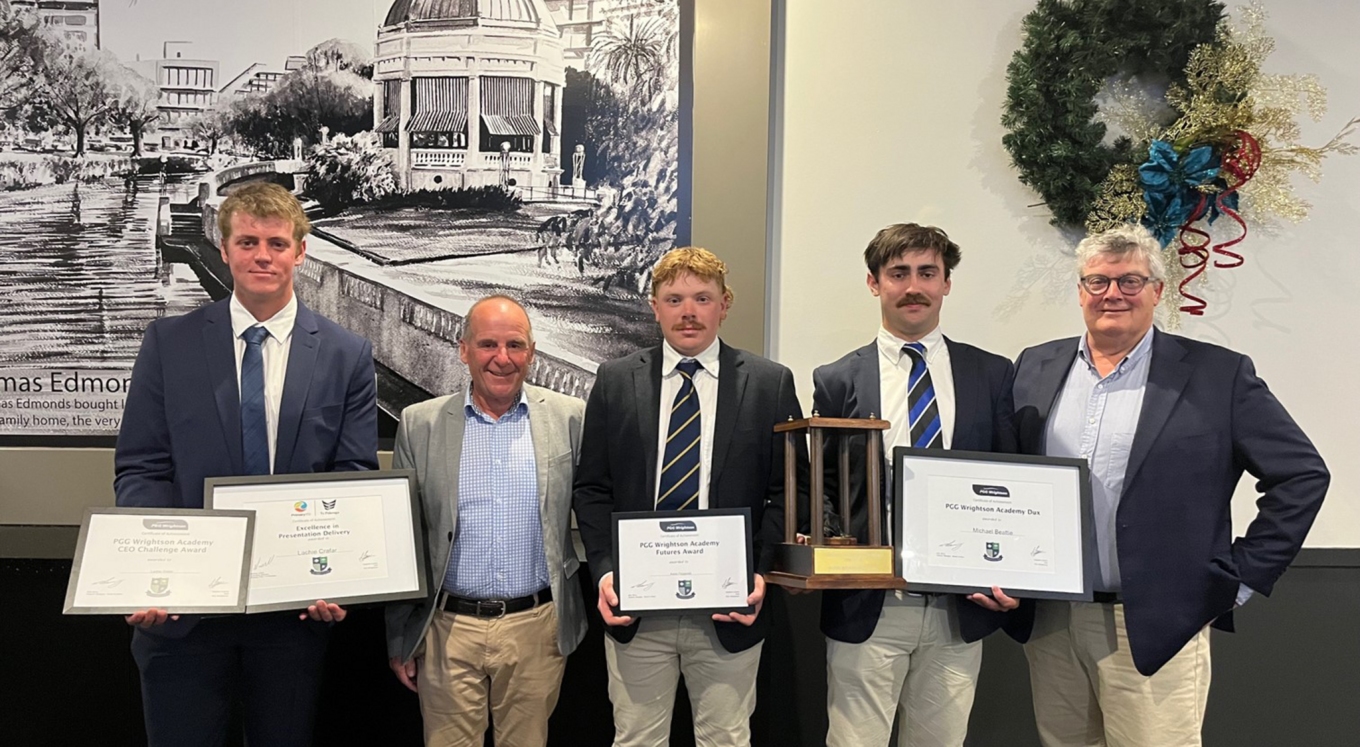
Academy award winning livestock reps
Livestock team members prevail with innovative solutions to clients’ on-farm challenges.
Rising stars in the PGG Wrightson Livestock team took out the top three awards in the company’s prestigious Academy this year. A 12-month training programme offered each year to around 20 participants from throughout the company, the PGG Wrightson Academy has been running since 2006.
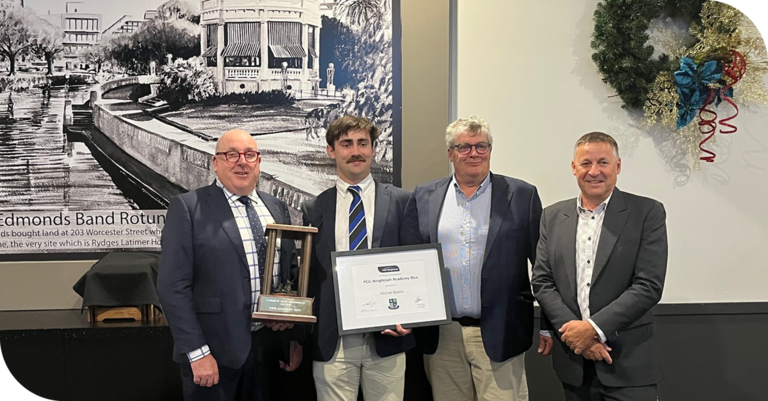
Focused on providing a broad background in primary production, with participants working towards a Certificate in Rural Service, at the awards that rounded off this year’s programme the winners were all members of the Livestock team: Hastings-based sheep and beef representative Michael Beattie was awarded Dux; Otago trainee Lachie Crafar won Best Presentation; and Christchurch trainee Aston Fitzgerald was named Future Star.
Each Academy participant must undertake a practical assignment, working with a client of their own choice to analyse a real on-farm issue and come up with appropriate solutions.
From his days as a trainee in the South Island, Michael Beattie worked with an East Otago farmer who trades 38,000 lambs per year. Michael and his client identified two underperforming areas: lamb deaths and drench resistance. Michael recommended more detailed sourcing of different lambs for different properties, and more closely monitoring the health regimes of the farms the stock are sourced from to limit the total lamb deaths throughout the farming business. Use of a novel drench, Zolvix, is the main solution to combat the death rate, also helping reduce the risk of worms becoming triple drench resistant.
Lachie Crafar’s project focused on how to maximise profitability for a Taihape sheep and beef breeding and finishing farm. Lachie recommended using summer chicory and ryegrass crops to improve dry matter production, meaning lambs should grow out to better weights, theoretically 1.5 kilograms heavier than under his client’s existing regime. Lachie’s advice was to reinvest the financial gain from that into an auto drafting and weighing system, plus new satellite yards to reduce mustering times, therefore enabling more frequent and accurate lamb growth monitoring, under a more efficient and productive management system, without increasing labour input.
Examining a 2400-hectare Scargill, North Canterbury farm, Aston Fitzgerald aimed to improve profitability by addressing deficits in lambing performance. Scanning 10 per cent lower than the district average and with dry rates up to double the optimal level, Aston’s programme for his client recommended a practical, low-capital approach to lift ewe condition before mating. His recommendations included: early drafting of lighter ewes and two-tooths; fortnightly body condition monitoring to track progress; supplementary feeding with baleage to buffer dry conditions; and separate management of the two-tooth mobs. In its first season Aston’s solution projected net benefit to his client of $45,000.
Micheal, Lachie and Aston are all continuing to work with their respective clients to implement the practical solutions they devised.
There were a number of Livestock team members in the academy this year, and all have done incredibly well.
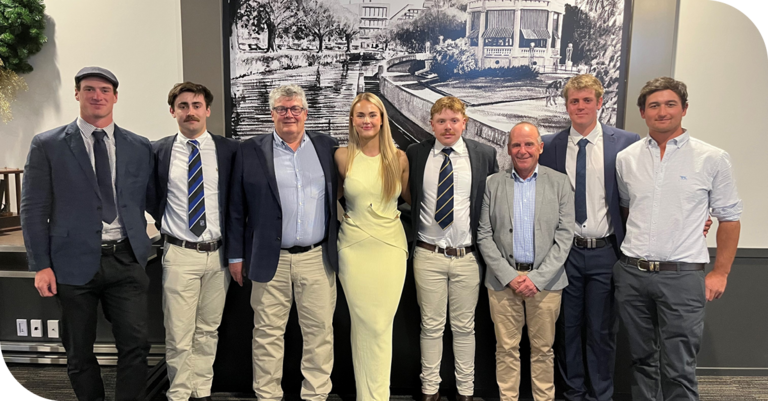
Livestock team members in the 2026 PGG Wrightson Academy programme are Henry Poulton, Te Kuiti; and Sam Boros, Hamilton.
Let's talk Livestock! Contact your local rep to explore opportunities tailored to your farming goals.
Related News
Video or image
Celebrating 175 Years at Stern Angus with The Country Live
From a partnership spanning 85 years to a milestone 175th anniversary, Stern Angus provides the perfect backdrop for a special live broadcast of The Country. On 7 October, PGG Wrightson will mark a significant milestone, celebrating 175 years of supporting New Zealand farmers and rural communities...
Video or image
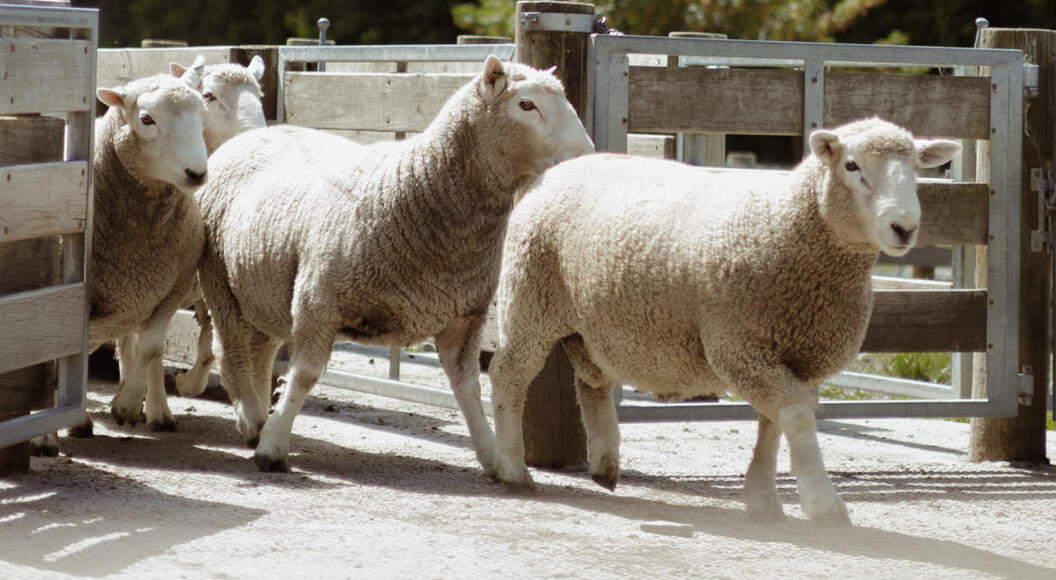
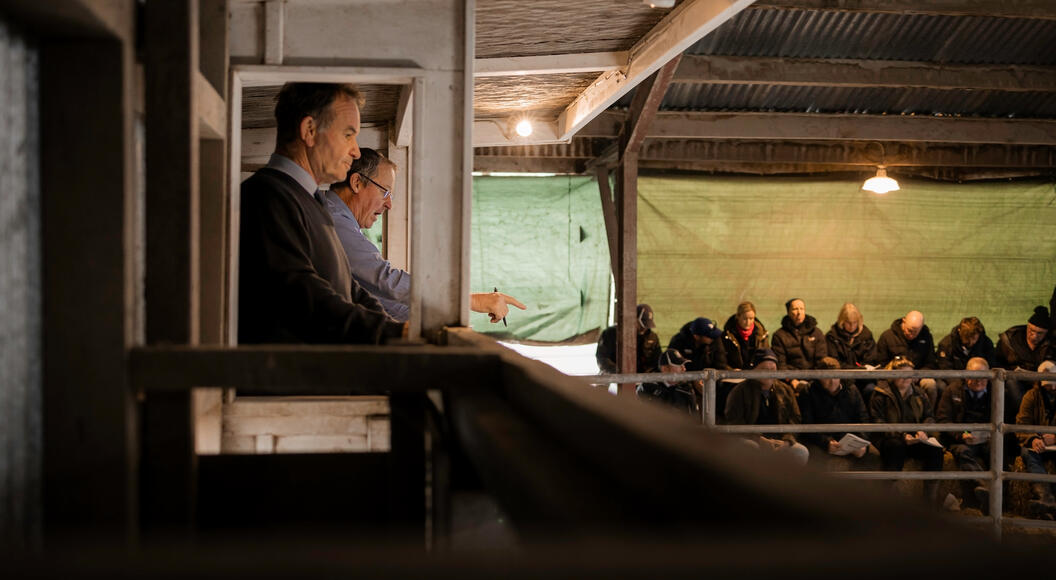
Renowned CHB stud offers first ever on-farm ram auction
With traits to counter FE and worms, Marlow Genetics is preparing a sale catalogue with 30 Romworths and 50 Coopworth rams After 57 years, a prominent Central Hawke’s Bay stud is holding its first ever on farm ram sale. Along with his wife Rosa, in 2023 Jason Wyn-Harris took over Marlow Genetics...
Video or image
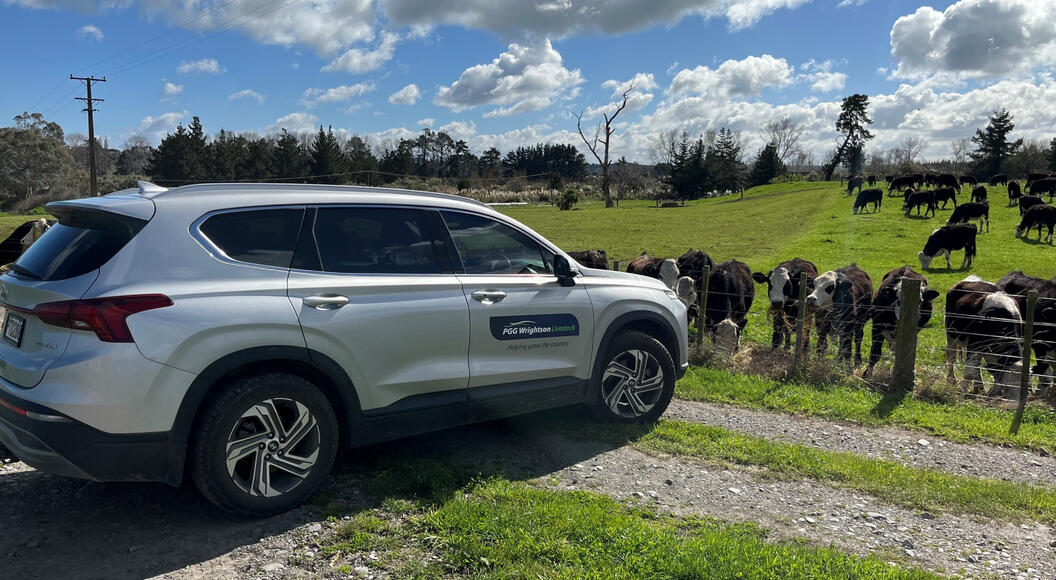
Good and bad weather affecting the mood, and the markets
Yearling bulls, calves, lambs and hoggets all meeting demand at North Island saleyards, while prolonged cold and wet delays the growing season in the South Variable weather conditions throughout the country have impacted throughput at the saleyards and the mood among farmers, with positive or...
Video or image
Celebrating 175 Years at Stern Angus with The Country Live
From a partnership spanning 85 years to a milestone 175th anniversary, Stern Angus provides the perfect backdrop for a special live broadcast of The Country. On 7 October, PGG Wrightson will mark a significant milestone, celebrating 175 years of supporting New Zealand farmers and rural communities...
Video or image
Renowned CHB stud offers first ever on-farm ram auction
With traits to counter FE and worms, Marlow Genetics is preparing a sale catalogue with 30 Romworths and 50 Coopworth rams After 57 years, a prominent Central Hawke’s Bay stud is holding its first ever on farm ram sale. Along with his wife Rosa, in 2023 Jason Wyn-Harris took over Marlow Genetics...
Video or image
Good and bad weather affecting the mood, and the markets
Yearling bulls, calves, lambs and hoggets all meeting demand at North Island saleyards, while prolonged cold and wet delays the growing season in the South Variable weather conditions throughout the country have impacted throughput at the saleyards and the mood among farmers, with positive or...