
Video or image
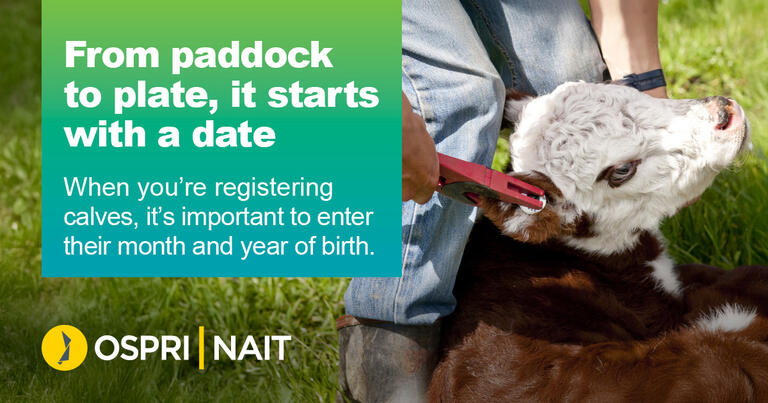
From paddock to plate, it starts with a date
Accurate birth records strengthen bio security while contributing to high value export opportunities for New Zealand farmers.
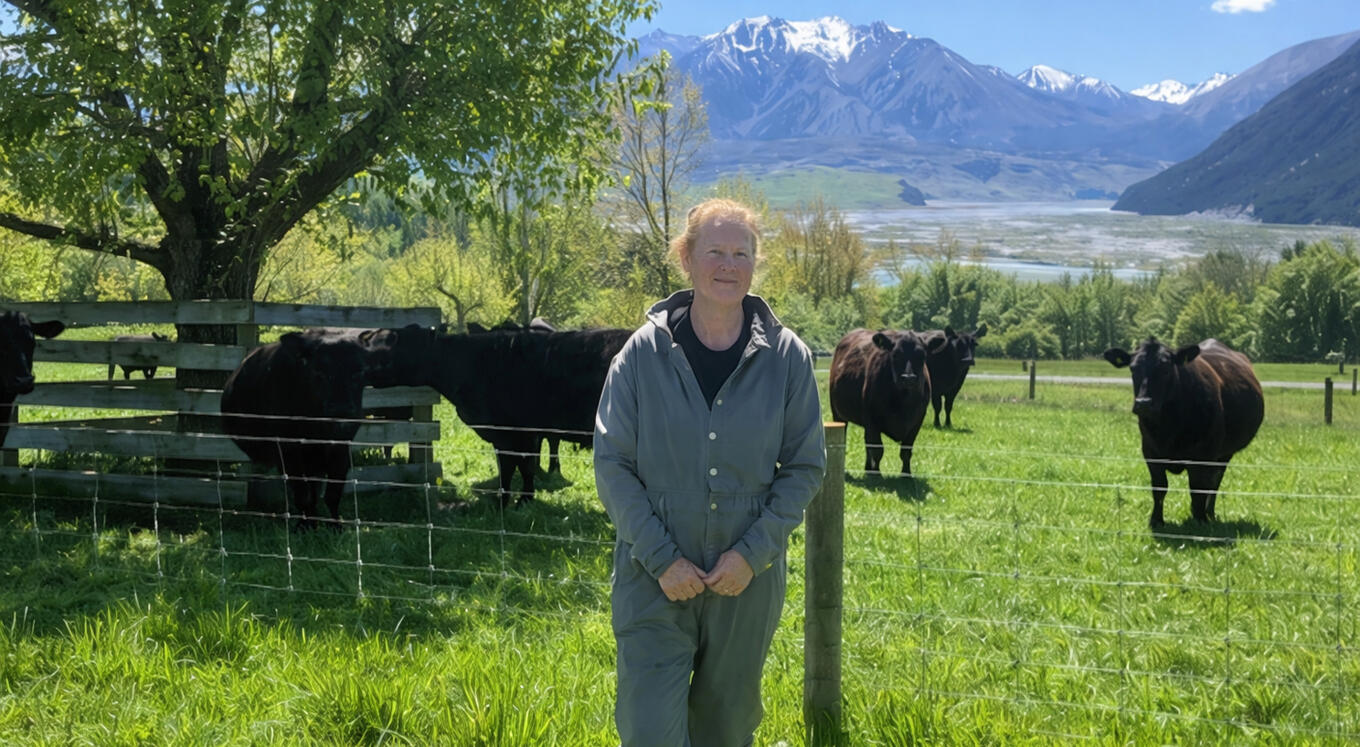
Image supplied by OSPRI, featuring farmer, Christine Angland. Please note that the quality of the image has been enhanced using AI.
Strong biosecurity and access to high value export markets depend on accurate animal information. OSPRI is encouraging farmers to include lifetime data to help New Zealand manage disease risks and open more doors to premium market opportunities globally.
Benefits for farmers
Date of Birth (DOB) data is an important aspect of ‘lifetime traceability’ – knowing an animals history from birth to death. Some premium export programmes already require birth information. Farmers also share with us how they use DOB records to help guide breeding and culling decisions, track growth rates, and plan more efficiently. When reliable information is in the system, it creates more opportunities to use it in ways that support farm performance.
Why the focus now?
NAIT reviews its programme priorities every year with shareholders and industry partners. The sector is strongly supporting improvements to lifetime animal data, starting with ensuring all animals are registered with full birth details - date and location included. Better accuracy now helps future proof New Zealand’s primary industries.
What farmers need to do
When you're registering calves, it's important to enter their month and year of birth in NAIT. When you're unsure of the actual day, just put the 1st of the month – this still meets your traceability obligations.
And remember; be sure to tag and register all calves before 180 days of age, or before their first off farm movement - whichever comes first. No tag, no transport.
Let's talk Livestock! Contact your local rep to explore opportunities tailored to your farming goals.

Related News
Video or image
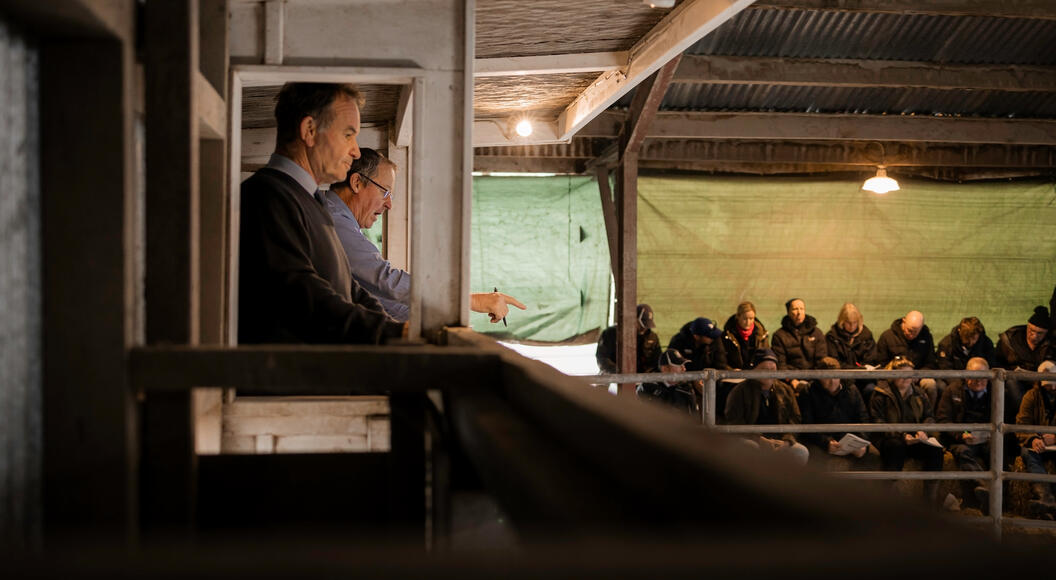
Celebrating 175 Years at Stern Angus with The Country Live
From a partnership spanning 85 years to a milestone 175th anniversary, Stern Angus provides the perfect backdrop for a special live broadcast of The Country. On 7 October, PGG Wrightson will mark a significant milestone, celebrating 175 years of supporting New Zealand farmers and rural communities...
Video or image
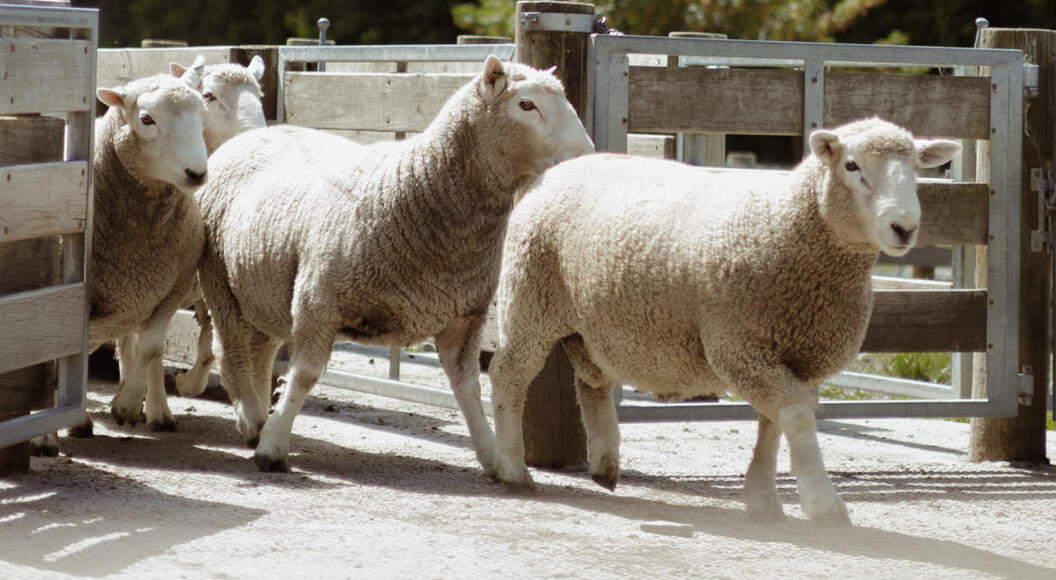
Renowned CHB stud offers first ever on-farm ram auction
With traits to counter FE and worms, Marlow Genetics is preparing a sale catalogue with 30 Romworths and 50 Coopworth rams After 57 years, a prominent Central Hawke’s Bay stud is holding its first ever on farm ram sale. Along with his wife Rosa, in 2023 Jason Wyn-Harris took over Marlow Genetics...
Video or image
Good and bad weather affecting the mood, and the markets
Yearling bulls, calves, lambs and hoggets all meeting demand at North Island saleyards, while prolonged cold and wet delays the growing season in the South Variable weather conditions throughout the country have impacted throughput at the saleyards and the mood among farmers, with positive or...
Video or image
Celebrating 175 Years at Stern Angus with The Country Live
From a partnership spanning 85 years to a milestone 175th anniversary, Stern Angus provides the perfect backdrop for a special live broadcast of The Country. On 7 October, PGG Wrightson will mark a significant milestone, celebrating 175 years of supporting New Zealand farmers and rural communities...
Video or image
Renowned CHB stud offers first ever on-farm ram auction
With traits to counter FE and worms, Marlow Genetics is preparing a sale catalogue with 30 Romworths and 50 Coopworth rams After 57 years, a prominent Central Hawke’s Bay stud is holding its first ever on farm ram sale. Along with his wife Rosa, in 2023 Jason Wyn-Harris took over Marlow Genetics...
Video or image
Good and bad weather affecting the mood, and the markets
Yearling bulls, calves, lambs and hoggets all meeting demand at North Island saleyards, while prolonged cold and wet delays the growing season in the South Variable weather conditions throughout the country have impacted throughput at the saleyards and the mood among farmers, with positive or...