
Video or image
Australian buyers add heat as wool market regains confidence
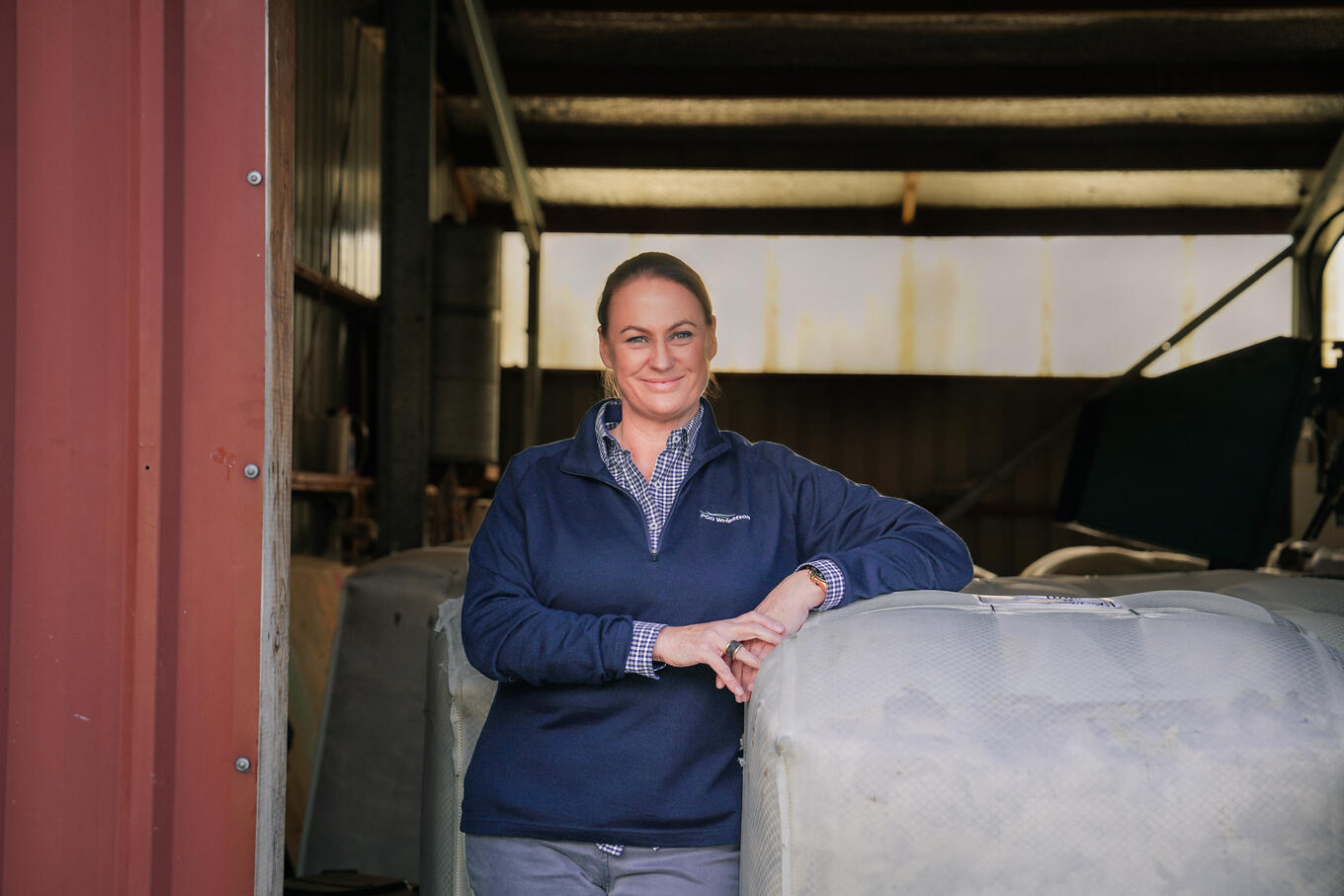
Rachel Shearer, General Manager of PGW Wool, speaks with Hamish McKay from The Country about renewed competition at auction, strong wool prices and the factors shaping the longer-term outlook for New Zealand wool.
Competition returned to the wool auction room in August, with increased buyer activity helping lift prices across wool types and styles following the market easing experienced in July.
The latest national auction brought a noticeably more confident tone, with senior representatives from major Australian exporting houses travelling to Christchurch to inspect and compete for New Zealand wool.
Rachel Shearer, General Manager of PGW Wool, said their presence added significant competition to the auction room.
"They like to compete for our fine wool, but interestingly they're starting to pick up strong wool as well," Rachel said.
"That's creating more tension in the market, good old competition, and that broadened the demand right across the catalogue."
Strong wool lifts
The strong wool indicator increased by 25 cents to around $6.30 clean, sitting $2.66 above the same time last year.
On average, that equated to around $5.00 greasy, although Rachel said there was a noticeable difference between wool types and quality.
Shorter wools were achieving around the $5.00 mark, while longer, good colour and good quality wools were averaging closer to $5.50 greasy.
All wool types and styles sold dearer than at previous sales, providing a welcome lift after the sharp easing experienced through July.
Australian buyers add competition
The first main fine wool sale of the season attracted senior Australian buyers who travelled directly from Sydney and Melbourne to inspect New Zealand wool before competing in the auction room.
Rachel said their involvement was particularly significant, with Australian buyers traditionally strong competitors for New Zealand fine wool and now showing increasing interest in strong wool as well.
The Australian Merino market had opened below expectations before improving, while other indicators during the week had also suggested the market could strengthen.
However, the level of competition at the New Zealand auction exceeded expectations.
"Having those Australian buyers flying directly in from Sydney and Melbourne, they land in Christchurch, they pick over the wool, they look at it and they go into the room and they really add heat," Rachel said.
Less wool coming to market
While demand is an important part of the equation, Rachel said the declining volume of wool available is becoming increasingly significant.
New Zealand sheep numbers declined by a further 2 percent last year and have now fallen 46 percent since the 2000/01 season.
"We're heading into a traditional period where there's less wool coming onto the market, but you've also got to add on the decline in sheep numbers," Rachel said.
"There's just less wool around."
Globally, sheep numbers are also at historically low levels, adding another dynamic to the balance between supply and demand.
Oddments regain value
Oddments were among the biggest movers at the latest sale, with bellies and pieces increasing by around 10 percent to approximately $5.35.
It marks a significant change from only a few years ago, when some of these lower-value wool types were barely worth sending to market.
Rachel encouraged growers to recognise the value now available across their entire clip.
"We're really encouraging everybody to send in things that probably a couple of years ago were distributed around the paddocks. It's definitely worth something."
Changing demand for natural fibres
Looking further ahead, Rachel said changing consumer behaviour could also influence the wool market.
Consumers, including the growing middle class in China, are increasingly considering where their clothing and household textiles come from and the fibres used to produce them.
Alongside this, new legislation emerging in the European Union and historically low global sheep numbers are adding further dynamics to the international wool market.
For New Zealand growers, Rachel said maintaining the quality of the wool they produce will be increasingly important.
"New Zealand's really well placed. We do have the best quality wool in the world, we've just got to make the most of that."
With growers once again seeing stronger returns for their wool, careful preparation in the woolshed is also becoming increasingly worthwhile.
"Taking the time to well prepare it is really starting to pay off."
To stay up to date with the latest National Wool Market Reports, auction results and industry insights, sign up to receive our emails here.
Related News
Video or image
The road to Golden Shears starts again
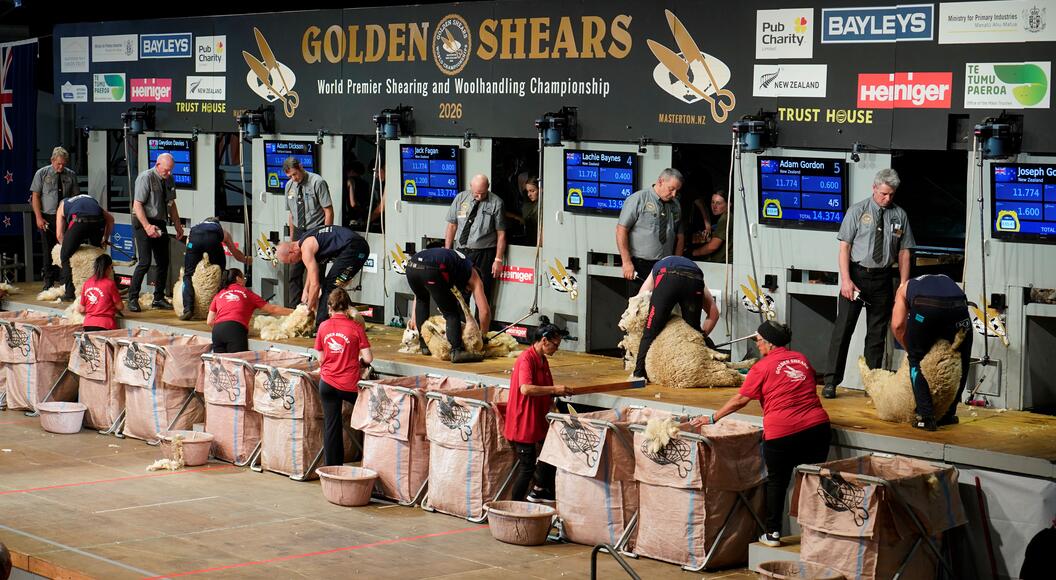
A new season of the PGG Wrightson / Vetmed National Shearing Circuit gets underway in October, setting some of New Zealand’s best shearers on a five-round journey that will test their skill across the country and across five different wool types. The first points of the 2026/27 PGG Wrightson /...
Video or image
Wool market eases as global buyers pause
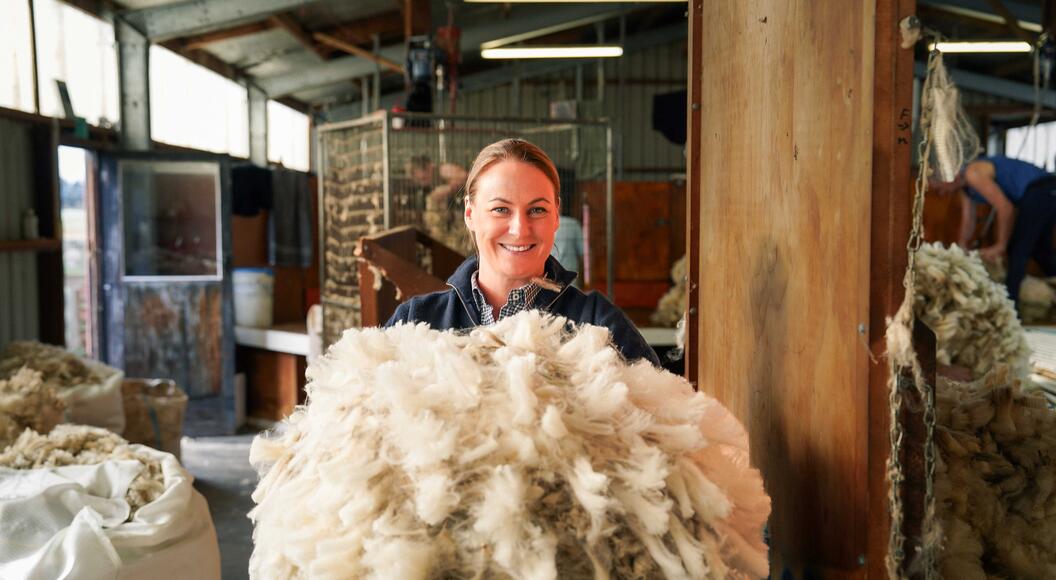
Rachel Shearer, General Manager of PGW Wool, speaks with Jamie Mackay from The Country about recent market movements, global demand, and why the long-term outlook for wool remains positive. After several months of exceptional growth, the strong wool market has eased as major global buyers step back...
Video or image

From the woolshed to the road: Carley Pryce steps into her new role as a PGW Wool rep
For Carley Pryce, wool has never been ‘just a job’. It’s been a thread running through her working life since she was a teenager, shaping her skills, her confidence, and her connection to rural New Zealand. Now, after years of building experience across the agricultural sector, Carley has taken the...
Video or image
The road to Golden Shears starts again
A new season of the PGG Wrightson / Vetmed National Shearing Circuit gets underway in October, setting some of New Zealand’s best shearers on a five-round journey that will test their skill across the country and across five different wool types. The first points of the 2026/27 PGG Wrightson /...
Video or image
Wool market eases as global buyers pause
Rachel Shearer, General Manager of PGW Wool, speaks with Jamie Mackay from The Country about recent market movements, global demand, and why the long-term outlook for wool remains positive. After several months of exceptional growth, the strong wool market has eased as major global buyers step back...
Video or image
From the woolshed to the road: Carley Pryce steps into her new role as a PGW Wool rep
For Carley Pryce, wool has never been ‘just a job’. It’s been a thread running through her working life since she was a teenager, shaping her skills, her confidence, and her connection to rural New Zealand. Now, after years of building experience across the agricultural sector, Carley has taken the...