
Video or image
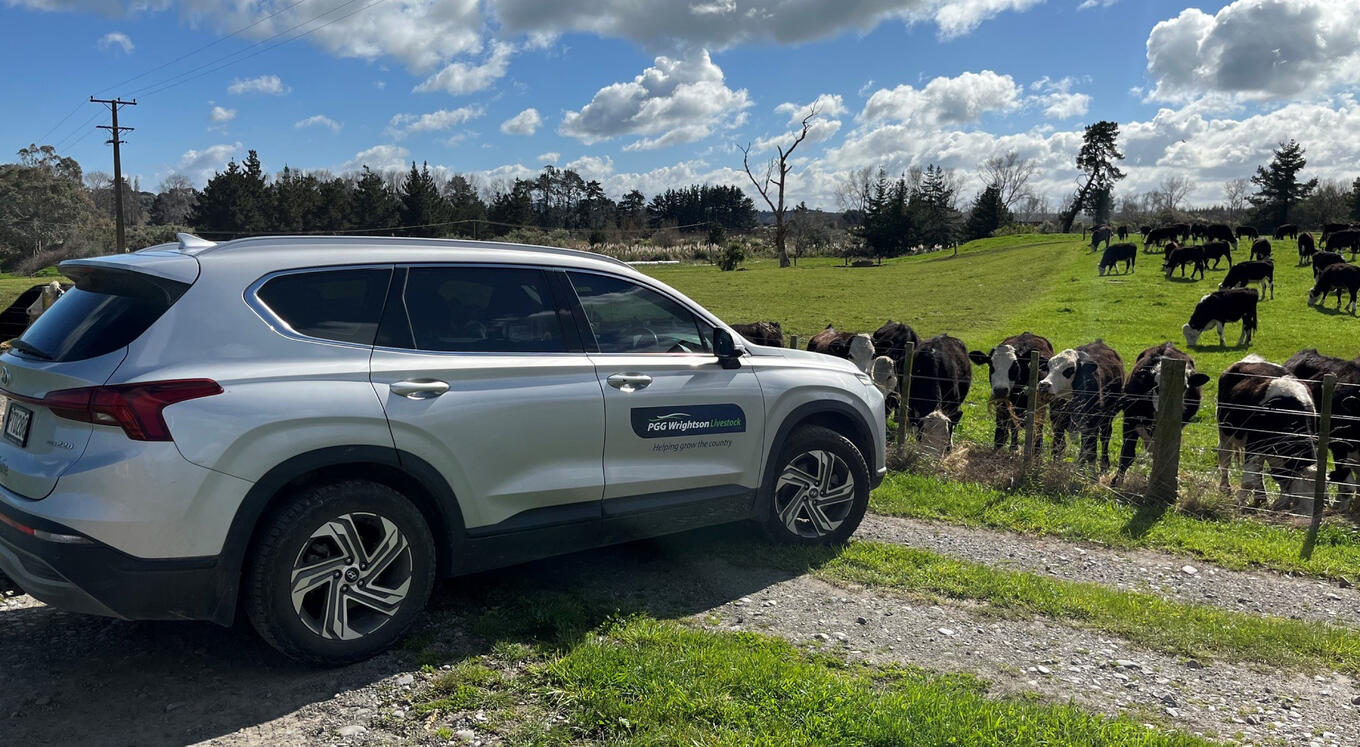
Good and bad weather affecting the mood, and the markets
Yearling bulls, calves, lambs and hoggets all meeting demand at North Island saleyards, while prolonged cold and wet delays the growing season in the South
Variable weather conditions throughout the country have impacted throughput at the saleyards and the mood among farmers, with positive or negative consequences depending on the region.
Early spring has generally been favourable in the North Island, leaving Waikato flush with growth and Northland’s moisture levels elevated. Meanwhile, Southland and parts of Otago have suffered prolonged cold, wet periods, delaying the start of the growing season.
Yearling bull sales are progressing well in the North Island and set to commence in the South Island in early October.
Elsewhere some North Island farmers are agreeing forward contracts for early 100-kilogram calves at $920 per head. North Island cattle, both store and prime, are selling close to record levels, while in the South Island spring cattle sales have seen strong demand for shorter term trading beef. Good demand is evident for well-bred South Island cattle through the spring sales and once feed conditions improve, this is set to increase yet further.
While lambs continue to sell well, demand for ewes with lambs at foot is less evident. However, that may create the potential for trading.
Upcoming in the South Island, more spring cattle sales, last year’s lambs coming forward for processing, and continued sales of dairy bulls.
Read more articles like this
Subscribe to Over the Farm GateRelated News
Video or image
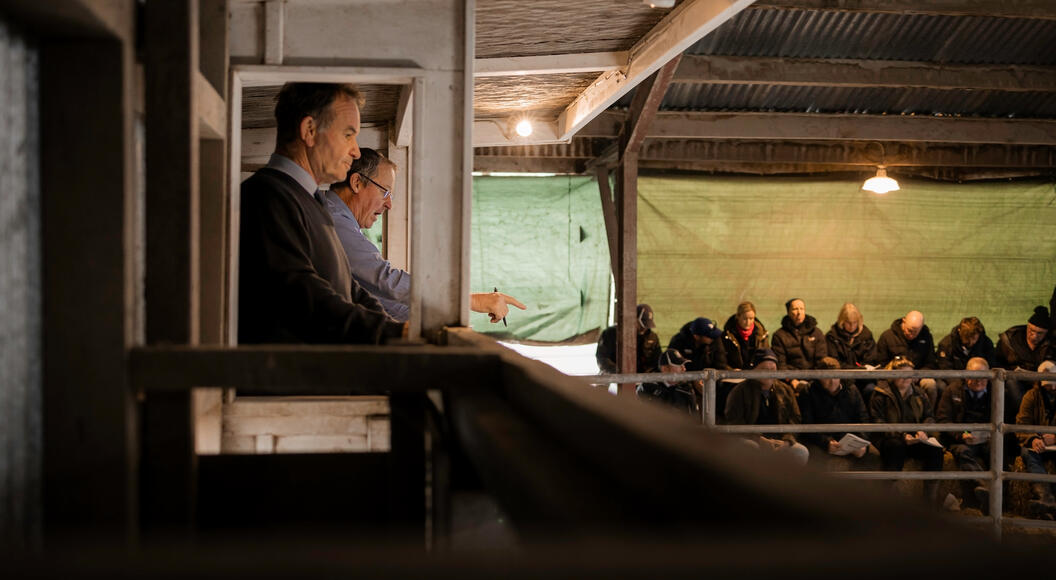
Celebrating 175 Years at Stern Angus with The Country Live
From a partnership spanning 85 years to a milestone 175th anniversary, Stern Angus provides the perfect backdrop for a special live broadcast of The Country. On 7 October, PGG Wrightson will mark a significant milestone, celebrating 175 years of supporting New Zealand farmers and rural communities...
Video or image
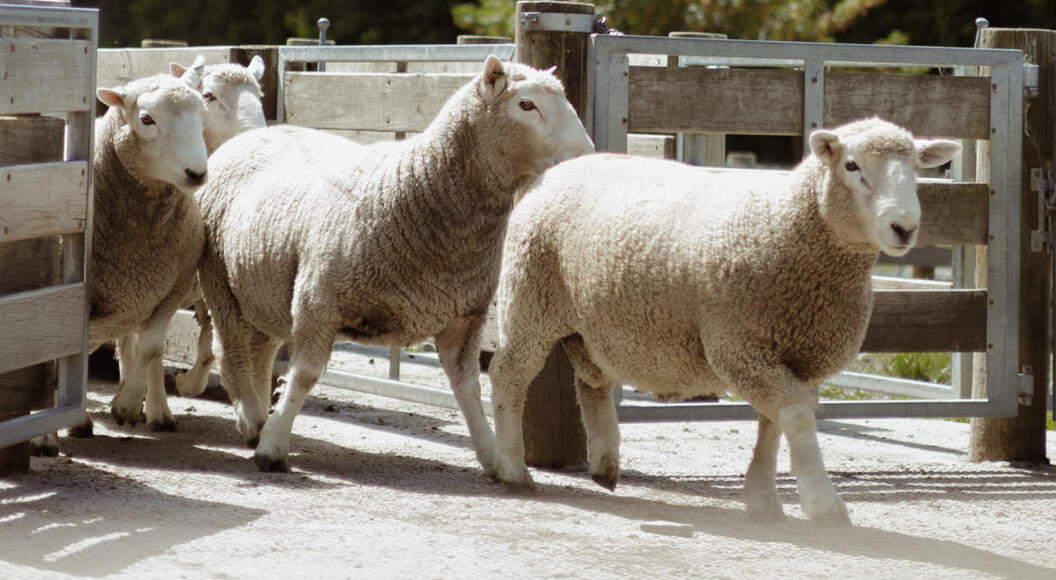
Renowned CHB stud offers first ever on-farm ram auction
With traits to counter FE and worms, Marlow Genetics is preparing a sale catalogue with 30 Romworths and 50 Coopworth rams After 57 years, a prominent Central Hawke’s Bay stud is holding its first ever on farm ram sale. Along with his wife Rosa, in 2023 Jason Wyn-Harris took over Marlow Genetics...
Video or image
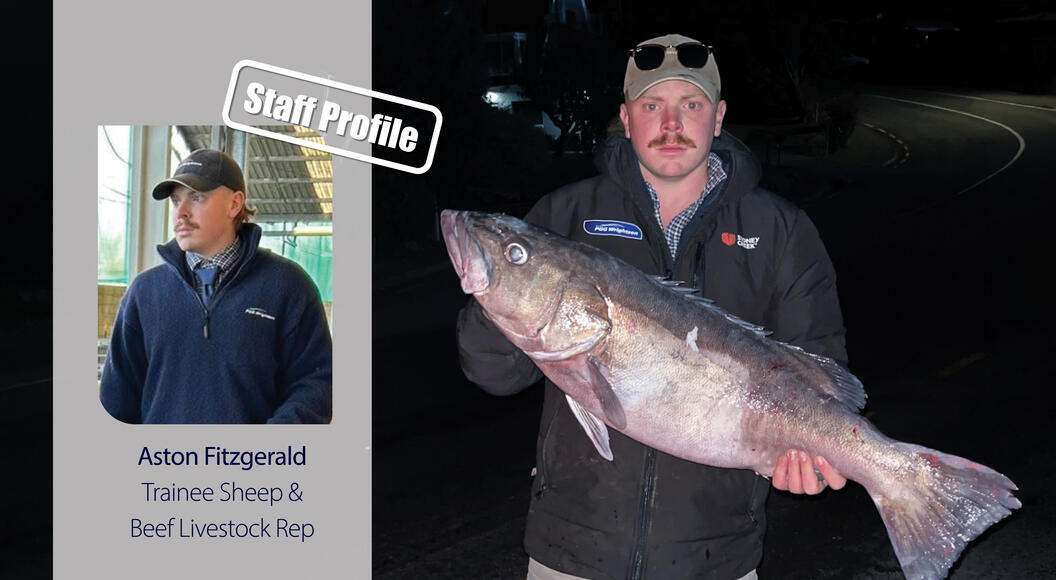
Staff Profile – Aston Fitzgerald
Canterbury based trainee livestock rep Aston Fitzgerald is proving you don’t need to grow up on a farm to build a successful career in agriculture. For Aston Fitzgerald, a career in agriculture was never going to be spent behind a desk. Now 16 months into his role as a Trainee Sheep & Beef Livestock...
Video or image
Celebrating 175 Years at Stern Angus with The Country Live
From a partnership spanning 85 years to a milestone 175th anniversary, Stern Angus provides the perfect backdrop for a special live broadcast of The Country. On 7 October, PGG Wrightson will mark a significant milestone, celebrating 175 years of supporting New Zealand farmers and rural communities...
Video or image
Renowned CHB stud offers first ever on-farm ram auction
With traits to counter FE and worms, Marlow Genetics is preparing a sale catalogue with 30 Romworths and 50 Coopworth rams After 57 years, a prominent Central Hawke’s Bay stud is holding its first ever on farm ram sale. Along with his wife Rosa, in 2023 Jason Wyn-Harris took over Marlow Genetics...
Video or image
Staff Profile – Aston Fitzgerald
Canterbury based trainee livestock rep Aston Fitzgerald is proving you don’t need to grow up on a farm to build a successful career in agriculture. For Aston Fitzgerald, a career in agriculture was never going to be spent behind a desk. Now 16 months into his role as a Trainee Sheep & Beef Livestock...